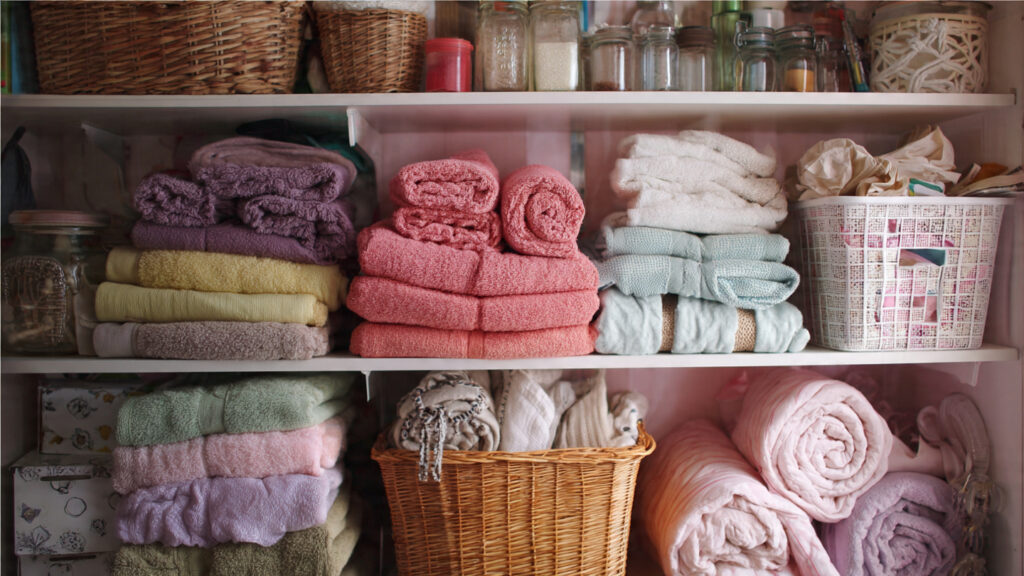
Keeping a room organized can often feel like a daunting task. Clutter piles up, items get misplaced, and no matter how many times you clean, the chaos seems to return. But what if there was a simple, systematic method to reset any room and keep it organized effortlessly? The Simple Reset Method is a practical, beginner-friendly approach that can transform your living spaces—making them functional, calming, and easy to maintain. Whether it’s a bedroom, living room, kitchen, or office, this method provides a step-by-step guide to reclaim your space without stress.
Why a Reset Method Works Better Than Traditional Cleaning
Most cleaning routines focus on surface-level tidying: dusting, vacuuming, or shoving things into drawers. While these tasks temporarily make a room look neat, they don’t address underlying clutter and disorganization.
The Simple Reset Method focuses on:
- Decluttering first – Remove what doesn’t belong to create space for essentials.
- Reevaluating storage – Find intuitive places for your items so they’re easy to find.
- Maintaining simplicity – Avoid overcomplicating organization with unnecessary containers or furniture.
- Creating habits – The method emphasizes small, consistent actions to keep the room orderly.
This method isn’t about perfection—it’s about effortless, sustainable organization.
Step 1: Clear the Room Completely
The first step in resetting any room is a complete clear-out:
- Empty surfaces – Clear desks, tables, countertops, and shelves.
- Remove items from the floor – Gather all misplaced objects into a single area.
- Sort into categories – Create temporary piles: Keep, Donate, Trash, and Relocate.
This step allows you to see the full potential of your space and understand how much clutter has accumulated. A room feels instantly lighter when empty surfaces are restored.
Step 2: Declutter With Purpose
Decluttering isn’t just about removing things—it’s about making intentional decisions:
- Ask yourself key questions:
- Do I use this item regularly?
- Does it add value to my space or life?
- Would I miss it if it were gone?
- Keep only essentials – Items you use daily or love the most belong in the room.
- Donate or recycle – Clothing, books, and gadgets that are no longer needed can find a new home.
- Trash broken or unusable items – This prevents future clutter from accumulating.
Decluttering helps free up mental and physical space, making the next steps more effective.
Step 3: Zone Your Room for Maximum Efficiency
A key principle of the Simple Reset Method is zoning. By dividing the room into functional areas, every item has a designated home:
- Bedroom: Sleeping zone, dressing zone, workspace (if applicable).
- Living Room: Relaxation zone, entertainment zone, storage zone.
- Kitchen: Cooking zone, prep zone, cleaning zone.
- Office: Work zone, filing zone, supply zone.
Assigning zones allows you to organize items based on function, making them easier to locate and return after use.
Step 4: Implement Smart Storage Solutions
Now that you’ve decluttered and defined zones, it’s time to store items efficiently:
- Drawer organizers – Keep small items like stationery, utensils, or cosmetics neatly separated.
- Baskets and bins – Ideal for larger items or miscellaneous objects. Label each basket for clarity.
- Shelving units – Utilize vertical space to reduce floor clutter.
- Hooks and hangers – Perfect for coats, bags, and accessories.
Tip: Avoid over-stuffing containers. It’s better to use more storage units than to crowd items together. Accessibility is key.
Step 5: Reset Surfaces and Decorative Areas
Once storage is in place, focus on surfaces and decoration:
- Keep countertops, tables, and desks minimal—only essential or decorative items should remain.
- Use trays or small boxes to group items on surfaces, creating visual order.
- Avoid overcrowding shelves with knick-knacks; choose a few impactful pieces to display.
This step gives the room a clean, intentional aesthetic that’s visually calming and functional.
Step 6: Create Daily and Weekly Habits
Effortless organization relies on consistent habits, not sporadic deep cleaning:
➡️ How to Grow Malabar Spinach from Cuttings for Fast, Easy Greens
➡️ How to Grow Super Delicious Cabbage at Home Without a Garden
➡️ How to Grow Bean Sprouts at Home in Plastic Bottles Easily (Step‑by‑Step Guide)
➡️ Why is Your Lemon Tree Blooming in the Heart of Winter?
➡️ Why Should Your Garden Have a Dedicated Pollinator Highway?
➡️ Why Do Your Fruit Trees Need a Winter Wash to Thrive in Spring?
➡️ How Can Rice Water Transform Your Fruits into Sweeter Delights?
➡️ Jumpstart Your Winter Garden: Seed Starting Under Lights
- Daily 5-minute reset: At the end of each day, return items to their designated spots.
- Weekly touch-up: Dust surfaces, tidy zones, and reassess any clutter accumulating over the week.
- Regular decluttering: Every 2–3 months, evaluate items you haven’t used and remove them.
These habits prevent clutter from becoming overwhelming and keep your room consistently reset.
Step 7: Personalize and Maintain Motivation
A room that reflects your personal taste is easier to maintain:
- Add decor that inspires – Plants, photos, or artwork can make the space inviting.
- Use storage that matches your style – Coordinated bins or baskets make organization feel intentional.
- Keep a visual cue – A tidy room feels satisfying and motivates continued care.
When you enjoy the space, maintaining organization becomes effortless rather than a chore.
Step 8: The 3-Item Rule for New Items
To prevent clutter from creeping back in:
- Whenever you bring a new item into the room, remove or relocate three existing items.
- This maintains balance and prevents overcrowding.
- Apply this rule consistently to sustain your reset efforts long-term.
Step 9: Overcoming Common Challenges
Even with the Simple Reset Method, some challenges arise:
- Procrastination: Start small; focus on one corner or zone at a time.
- Sentimental clutter: Take photos of items you can’t part with before donating or storing elsewhere.
- Shared spaces: Coordinate with family members to respect each other’s organization systems.
Anticipating challenges allows you to maintain order without frustration.
Step 10: Enjoy the Benefits of a Reset Room
Following the Simple Reset Method brings immediate and long-lasting benefits:
- Calm and clarity: Organized spaces reduce stress and mental clutter.
- Time savings: Less time spent searching for misplaced items.
- Increased productivity: Workspaces and offices become efficient.
- Aesthetic appeal: A clean, organized room is visually pleasing and welcoming.
- Sustainable habits: Prevents future chaos with minimal effort.
A reset room isn’t just a tidy room—it’s a space that supports your lifestyle and well-being.
Conclusion
The Simple Reset Method transforms the overwhelming task of organizing any room into a manageable, systematic process. By clearing the space, decluttering intentionally, zoning, using smart storage, and maintaining consistent habits, you can create an environment that’s both functional and beautiful.
Whether it’s a cluttered bedroom, a busy kitchen, or a shared family space, this method ensures every item has its place and that organization becomes effortless. With patience, consistency, and a few smart techniques, your rooms can remain reset, serene, and stress-free all year round.
Start today, and discover how a simple reset can transform not just your room, but your mindset too.