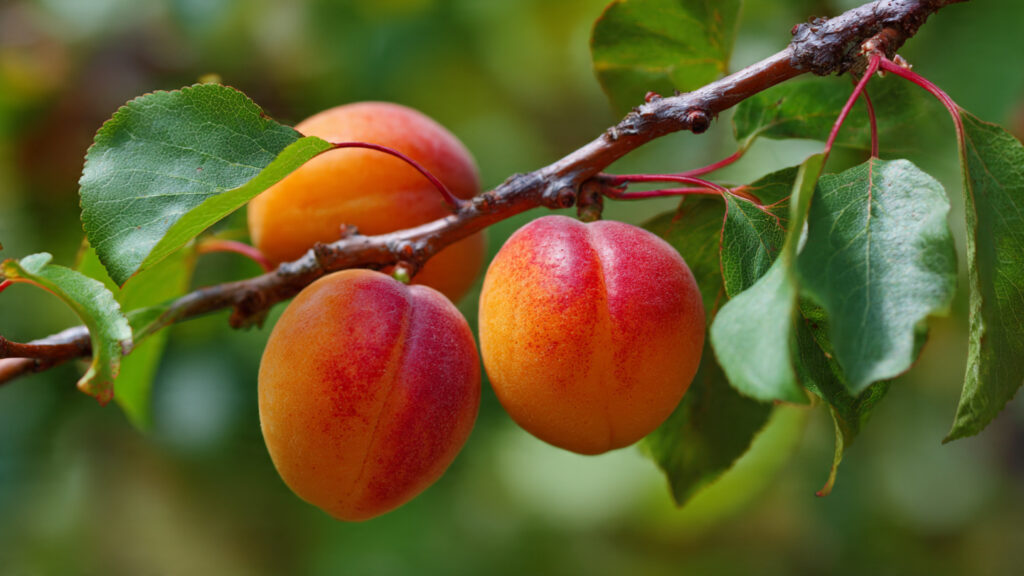
Apricot trees (Prunus armeniaca) are a treasured fruit tree for home gardeners, prized for their sweet, juicy fruits and delicate spring blossoms. While traditionally associated with warm, Mediterranean climates, apricots can thrive even in regions with short summers—if approached thoughtfully. With careful planning, the right variety selection, and attentive care, home gardeners can enjoy fresh apricots straight from their backyard, despite a condensed growing season. This guide will walk you through simple steps to successfully cultivate apricot trees in short summer climates.
1. Selecting the Right Apricot Variety
The first step in growing apricot trees in a short summer climate is choosing a variety that matures quickly and can withstand cooler temperatures. Some varieties are specifically bred for northern climates or high-altitude regions where the growing season is brief. Key considerations include:
- Early-maturing varieties: Select apricot cultivars that ripen early in the season. Examples include Moorpark Early, Tilton, and Perfection. These varieties can produce ripe fruit before the first fall frost.
- Cold-hardy trees: Look for cultivars with strong frost tolerance during dormancy and early flowering periods. Trees that can survive -20°F (-29°C) are ideal for northern gardens.
- Self-fertility: Many apricots are self-pollinating, which is beneficial for small home gardens with limited space. However, planting two compatible varieties can increase yield and fruit quality.
Local nurseries or cooperative extension services are excellent sources for advice on varieties suited to your specific region.
2. Choosing the Right Site
Apricot trees require a combination of sunlight, well-drained soil, and protection from harsh weather to flourish. When selecting a planting site:
- Sunlight: Full sun is essential. Aim for at least 6–8 hours of direct sunlight per day to maximize fruit production and tree vigor.
- Soil: Apricots prefer well-drained sandy-loam or loamy soils with a slightly acidic to neutral pH (6.0–7.0). Avoid heavy clay soils that retain water, as this can lead to root rot.
- Air circulation: Plant trees where cool air can drain away from blossoms in early spring. Late spring frosts are a significant threat, and proper air movement reduces frost damage and disease risk.
- Slope: A gentle south-facing slope can help warm the soil and extend the growing season slightly, which is especially useful in short summer climates.
Taking time to choose the right site can significantly impact tree health, fruit set, and harvest success.
3. Planting Apricot Trees
Planting apricot trees correctly is critical for long-term success. Home gardeners should follow these steps:
- Timing: In short summer climates, plant apricots in early spring after the ground has thawed or in late fall when trees are dormant. Avoid planting during harsh winter conditions.
- Spacing: Space trees 12–20 feet apart, depending on the rootstock and mature tree size. Proper spacing ensures adequate sunlight penetration, air circulation, and room for growth.
- Planting technique:
- Dig a hole twice the width of the root ball but no deeper than its height.
- Place the tree so the graft union (the swollen area near the base) is 2–3 inches above soil level.
- Backfill with native soil, gently firming it to eliminate air pockets.
- Water thoroughly after planting to settle the soil.
Adding compost or organic matter can improve soil fertility and drainage but avoid excessive nitrogen, which promotes leafy growth over flowering.
4. Protecting Against Frost and Cold Damage
In short summer climates, apricot blossoms often bloom early in spring, making them vulnerable to frost. Protecting blossoms is crucial for a successful harvest:
- Frost cloths or row covers: Lightweight fabric can protect buds from frost overnight. Remove covers during the day to allow sunlight and airflow.
- Site selection and microclimates: Plant trees near walls, fences, or buildings that absorb and radiate heat. South-facing areas often experience less frost damage.
- Pruning: Avoid heavy pruning in late winter, which can encourage early bud break and increase frost vulnerability. Focus on structural pruning and removing damaged wood.
Even a small frost can destroy flowers, so consistent monitoring during early spring is essential.
5. Watering and Fertilization
Apricot trees in short summer climates need careful water management and nutrition to thrive:
- Watering: Newly planted trees require regular watering to establish roots. Once established, water deeply but infrequently, allowing soil to dry slightly between waterings. Mulching around the base can help retain soil moisture and regulate temperature.
- Fertilization: Avoid over-fertilizing with nitrogen, which encourages leafy growth instead of flowering. A balanced fertilizer or compost applied in early spring supports healthy growth and fruit set.
- Soil testing: Conduct a soil test to determine nutrient levels and deficiencies. Adjust fertilization accordingly to ensure optimal tree health.
Consistent care throughout the growing season ensures strong branches capable of supporting a full crop of apricots.
6. Pruning for Structure and Yield
Pruning apricot trees is essential to encourage sunlight penetration, reduce disease risk, and optimize fruit production. Key pruning principles include:
- Formative pruning: Shape young trees into an open-center or vase structure. This allows sunlight to reach the interior branches and encourages air circulation.
- Annual pruning: Remove dead, damaged, or crossing branches each winter. Avoid heavy pruning in early spring, which can delay bloom and fruit set in short summer climates.
- Summer pruning: Light pruning during the growing season can control overly vigorous shoots and maintain tree shape.
Pruning is both an art and a science; well-pruned trees are more resilient and productive, especially in climates with brief summers.
7. Pollination and Fruit Set
Successful fruit set in apricot trees relies on proper pollination:
- Self-pollinating varieties: These can set fruit without another tree, though cross-pollination may improve yield.
- Pollinators: Bees and other pollinators are crucial for fertilization. Plant flowering companions nearby to attract pollinators and ensure robust fruit set.
- Flower density: Ensure branches are not overcrowded to allow pollinators easy access to blossoms.
Monitoring for adequate pollination in short summer climates is critical, as the window for flowering and fruit set is limited.
➡️ How to Grow Malabar Spinach from Cuttings for Fast, Easy Greens
➡️ How to Grow Super Delicious Cabbage at Home Without a Garden
➡️ How to Grow Bean Sprouts at Home in Plastic Bottles Easily (Step‑by‑Step Guide)
➡️ Why is Your Lemon Tree Blooming in the Heart of Winter?
➡️ Why Should Your Garden Have a Dedicated Pollinator Highway?
➡️ Why Do Your Fruit Trees Need a Winter Wash to Thrive in Spring?
➡️ How Can Rice Water Transform Your Fruits into Sweeter Delights?
➡️ Jumpstart Your Winter Garden: Seed Starting Under Lights
8. Pest and Disease Management
Apricot trees are susceptible to several pests and diseases, which can impact yield, particularly in cooler climates:
- Aphids and scale insects: Regularly inspect leaves and branches. A gentle spray of water or horticultural oil can control infestations.
- Brown rot: A fungal disease that attacks blossoms and fruit. Prune for airflow, remove infected fruit, and consider a fungicide if necessary.
- Bacterial canker: A bacterial disease that causes branch dieback. Prune affected areas and maintain tree vigor through proper nutrition and watering.
Integrated pest management and early intervention are essential for a healthy apricot harvest.
9. Harvesting and Storage
In short summer climates, timely harvesting is crucial:
- Timing: Pick apricots when they are fully colored and slightly soft to the touch. In cooler regions, fruits often ripen a few weeks later than in warmer climates.
- Handling: Handle fruits gently to avoid bruising. Apricots are delicate and can spoil quickly if damaged.
- Storage: Store harvested apricots in a cool, shaded area or in the refrigerator. For longer storage, consider freezing or canning.
Proper harvesting ensures you enjoy the sweet flavor and nutritional benefits of your homegrown apricots.
10. Winter Care and Preparation
Even in short summer climates, winter care is important to protect apricot trees:
- Mulching: Apply a thick layer of mulch around the base to insulate roots from extreme cold.
- Pruning dormant trees: Conduct light pruning during dormancy to remove dead wood and shape the tree.
- Protection from wildlife: In snowy regions, consider fencing to prevent deer or rabbits from damaging young trees.
Winter preparation ensures the tree survives dormancy and is ready for a productive spring.
Conclusion
Growing apricot trees in short summer climates may seem challenging, but with careful planning, the right variety, and attentive care, home gardeners can enjoy a bountiful harvest. By selecting cold-hardy, early-maturing varieties, choosing a sunny, well-drained site, protecting blossoms from frost, and maintaining proper watering, fertilization, and pruning practices, apricots can thrive even in regions with brief summers.
With patience and diligence, your backyard can produce juicy, flavorful apricots, bringing the satisfaction of homegrown fruit to your table. Not only do these trees offer delicious rewards, but their spring blossoms also add beauty and charm to your garden. By following these simple steps, gardeners in short summer climates can enjoy the delight of apricots and the joy of successful fruit cultivation year after year.