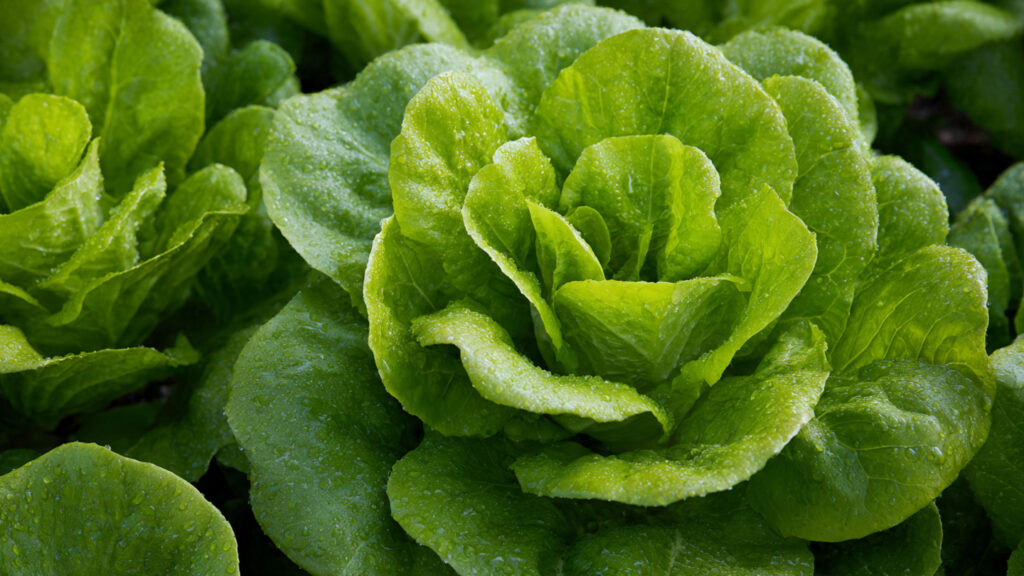
Growing fresh, crisp lettuce during the summer can be a challenge for gardeners. High temperatures, strong sunlight, and inconsistent moisture can cause lettuce to bolt, become bitter, or suffer from leaf scorch. However, cultivating lettuce in summer shade offers a practical solution. By strategically using shaded areas and adopting thoughtful gardening techniques, you can enjoy continuous harvests of tender, flavorful lettuce even during the hottest months. In this guide, we’ll explore simple strategies for successfully growing lettuce in summer shade, including plant selection, soil preparation, planting tips, maintenance, and harvesting practices.
Why Shade Matters for Summer Lettuce
Lettuce thrives in cool, moderate temperatures ranging from 60°F to 70°F (15°C to 21°C). When exposed to high heat and direct sunlight, several problems can arise:
- Bolting: Lettuce quickly flowers, producing bitter leaves.
- Leaf burn: Intense sun can scorch tender leaves.
- Rapid dehydration: Lettuce leaves lose water quickly in full sun.
Shade mitigates these issues by lowering the microclimate temperature, reducing direct sunlight, and conserving soil moisture. Even a few hours of daily shade can dramatically improve growth and flavor.
Choosing the Right Lettuce Varieties
Not all lettuce varieties perform equally well in summer shade. Selecting heat-tolerant and shade-adapted types increases your chances of success.
Recommended Varieties
- Loose-Leaf Lettuce:
- Varieties such as Green Ice, Red Sails, and Oakleaf thrive in partial shade.
- They mature quickly and can tolerate moderate heat.
- Butterhead Lettuce:
- Varieties like Bibb and Boston have tender leaves and grow well under filtered light.
- Romaine Lettuce:
- Parris Island Cos or Little Gem tolerate partial shade but require consistent moisture.
- Mesclun Mixes:
- Mixed baby greens grow well in shaded areas and can be harvested continuously.
Choosing the right variety ensures consistent growth and prevents early bolting.
Selecting the Ideal Shaded Location
Lettuce does not require complete darkness; instead, partial shade or filtered sunlight works best.
Types of Summer Shade
- Natural Shade:
- Plant lettuce under trees, taller shrubs, or along north-facing walls.
- Ensure airflow to prevent fungal issues.
- Artificial Shade:
- Use shade cloths (30–50% shading) to protect lettuce from intense sunlight.
- Temporary structures such as umbrellas or trellises can also work.
- Companion Planting:
- Grow lettuce beneath taller crops such as corn, tomatoes, or beans.
- This provides natural shade and improves garden efficiency.
Light Requirements
- Lettuce requires 3–6 hours of indirect sunlight per day in summer.
- Avoid areas with stagnant air or excessive moisture, which can encourage disease.
Soil Preparation for Summer Lettuce
Healthy soil is key to productive lettuce growth, especially under shaded conditions.
Ideal Soil Conditions
- Well-draining, fertile soil rich in organic matter.
- pH range: 6.0–7.0 for optimal nutrient absorption.
- Loose texture to allow tender roots to develop.
Soil Amendments
- Incorporate compost or aged manure to retain moisture and provide nutrients.
- Add perlite or sand to improve drainage in heavier soils.
- Mulch with straw, shredded leaves, or grass clippings to maintain soil temperature and reduce evaporation.
A well-prepared soil base ensures lettuce grows quickly and remains tender throughout summer.
Planting Strategies for Shaded Lettuce
Proper planting techniques maximize growth and reduce stress.
Seed Sowing and Spacing
- Sow seeds ¼–½ inch deep in rows or small mounds.
- Space plants according to variety:
- Loose-leaf: 6–8 inches apart.
- Romaine: 10–12 inches apart.
- Thin seedlings after germination to prevent overcrowding and improve airflow.
Succession Planting
- Sow lettuce every 2–3 weeks for a continuous harvest.
- Staggering plantings prevents a single crop from bolting all at once.
Container Gardening in Shade
- Use pots or troughs placed under taller plants or shade structures.
- Ensure pots have drainage holes and use a light, fertile potting mix.
- Container-grown lettuce responds well to consistent watering and nutrient management.
Watering and Maintenance
Lettuce grown in summer shade still requires careful attention to watering and care.
Watering Tips
- Keep the soil consistently moist but not waterlogged.
- Use drip irrigation, soaker hoses, or careful hand watering to avoid wetting leaves excessively.
- Mulch helps retain soil moisture and reduces evaporation.
Fertilization
- Apply a balanced, water-soluble fertilizer every 2–3 weeks.
- Organic options include compost tea, fish emulsion, or seaweed extracts.
- Avoid high-nitrogen fertilizers, which can promote leaf growth at the expense of flavor.
Pest and Disease Management
- Common pests: aphids, slugs, and caterpillars.
- Use row covers or natural repellents such as neem oil or diatomaceous earth.
- Shaded areas may be prone to fungal diseases; ensure adequate spacing and airflow.
Encouraging Sweet, Tender Leaves
Growing lettuce in shade doesn’t just prevent bolting—it can enhance flavor and tenderness.
- Reduced Sun Exposure: Leaves are less bitter when shielded from intense sunlight.
- Consistent Moisture: Shade helps maintain leaf hydration, keeping texture crisp.
- Moderate Temperatures: Cooler microclimates in shaded areas slow plant stress and improve taste.
With these strategies, home gardeners can enjoy lettuce with superior flavor even in midsummer.
Harvesting Lettuce in Summer Shade
Timing and technique matter for harvesting lettuce to maintain quality:
Leaf Harvesting
- Loose-leaf lettuce: Pick outer leaves first, leaving the central leaves to grow.
- Baby greens: Snip individual leaves as needed for continuous harvest.
Head Lettuce
- Romaine and butterhead: Harvest entire heads when firm and mature.
- Avoid waiting too long; older heads become bitter and tough.
Harvest Frequency
- Frequent harvesting encourages new growth and prevents bolting.
- Shade-grown lettuce may have slower growth, so monitor carefully and harvest regularly.
Advanced Tips for Summer Shade Lettuce
- Companion Planting:
- Pair lettuce with tall, sun-loving crops like corn or peppers for natural shading.
- Reflective Mulches:
- Use light-colored or reflective mulches to increase light in low-shade areas without overheating.
- Vertical Gardening:
- Grow lettuce in stacked containers or vertical planters near shaded walls to maximize space.
- Shade Timing:
- Morning sun with afternoon shade is ideal for many summer regions.
By implementing these advanced techniques, gardeners can optimize yield, flavor, and plant health even under challenging summer conditions.
Common Challenges and How to Overcome Them
| Challenge | Cause | Solution |
|---|---|---|
| Bolting | High heat | Plant in partial shade and harvest early |
| Leaf scorch | Intense sunlight | Provide filtered shade or use shade cloth |
| Pest infestation | Aphids, slugs | Use natural repellents, row covers |
| Fungal disease | Excess moisture | Ensure proper spacing and airflow |
Understanding common issues helps gardeners proactively protect their summer lettuce crops.
➡️ How to Grow Malabar Spinach from Cuttings for Fast, Easy Greens
➡️ How to Grow Super Delicious Cabbage at Home Without a Garden
➡️ How to Grow Bean Sprouts at Home in Plastic Bottles Easily (Step‑by‑Step Guide)
➡️ Why is Your Lemon Tree Blooming in the Heart of Winter?
➡️ Why Should Your Garden Have a Dedicated Pollinator Highway?
➡️ Why Do Your Fruit Trees Need a Winter Wash to Thrive in Spring?
➡️ How Can Rice Water Transform Your Fruits into Sweeter Delights?
➡️ Jumpstart Your Winter Garden: Seed Starting Under Lights
Conclusion
Growing lettuce in summer shade is not only possible—it can result in tender, flavorful, and long-lasting harvests. By selecting shade-tolerant varieties, preparing well-draining soil, providing filtered sunlight, and carefully managing watering and nutrients, gardeners can overcome the challenges of hot summer months.
Whether planting in containers, raised beds, or beneath taller crops, shaded lettuce offers an effective solution for maintaining fresh greens through the season. Incorporating succession planting, mulching, and proper pest management further ensures continuous harvests and high-quality leaves.
With these simple strategies, even beginner gardeners can successfully grow lettuce in summer shade, transforming a previously challenging season into a rewarding and productive one. By paying attention to plant variety, microclimate, and care techniques, your garden can provide crisp, sweet, and healthy lettuce throughout the hottest months of the year.