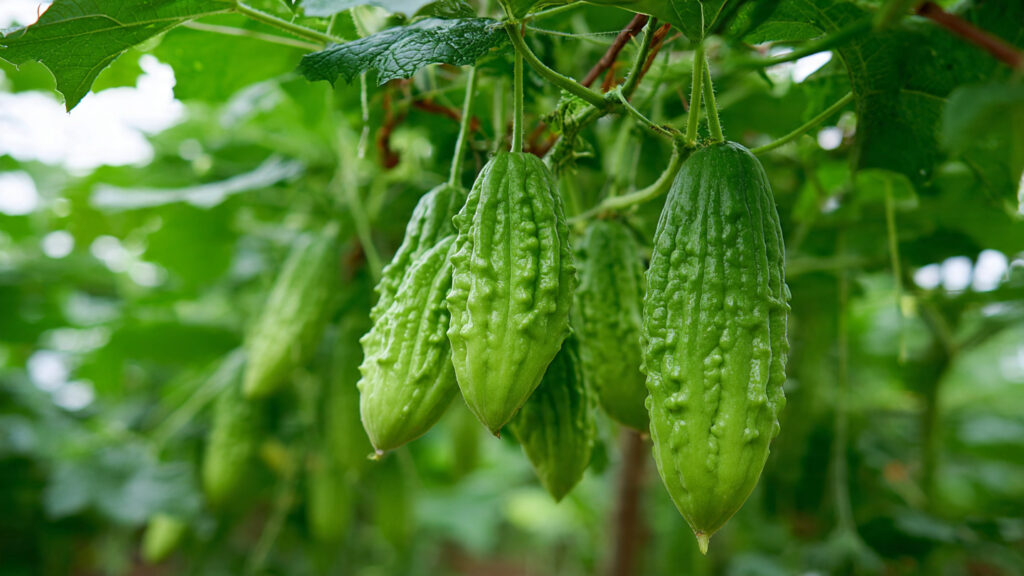
Bitter gourd, also known as karela, is a tropical vine widely valued for its nutritional and medicinal properties. Packed with vitamins, minerals, and antioxidants, bitter gourd is especially known for its role in regulating blood sugar. Imagine harvesting fresh, high-quality bitter gourds from your own backyard—free from pesticides, rich in flavor, and grown using simple, proven techniques.
With a few smart strategies, even a small garden can produce a high yield of bitter gourd, ensuring a constant supply for your family while making your garden vibrant and productive.
Let’s explore step-by-step techniques for growing bitter gourd successfully in your backyard.
1. Choosing the Right Variety for High Yield
Selecting the right variety is the first step toward a successful harvest. Bitter gourd comes in many shapes, sizes, and growth habits, including:
- Long Green Varieties: Popular in India, ideal for cooking and pickling.
- Small Varieties: Early-maturing types that produce small, tender fruits.
- Hybrid Varieties: Engineered for high yield, disease resistance, and uniform size.
For backyard gardens, hybrid varieties like Pusa Vishesh or Arka Harit are recommended because they produce more fruits per vine and are resistant to common pests and diseases.
2. Selecting the Best Location and Soil
Bitter gourd thrives in warm, sunny conditions. Choose a spot in your garden that receives at least 6–8 hours of sunlight daily.
Soil requirements:
- Well-drained, loamy soil is ideal.
- pH between 6.0 and 6.8 ensures optimal nutrient absorption.
- Enrich soil with organic matter like compost or well-rotted manure to enhance fertility.
Raised beds or mounds can improve drainage, preventing waterlogging, which bitter gourd vines dislike.
3. Preparing the Soil and Planting Beds
A high-yield harvest starts with well-prepared soil:
- Clear the garden area of weeds and debris.
- Dig and loosen the soil to a depth of 12–15 inches.
- Mix in compost or organic fertilizer to improve soil structure.
- Create small ridges or raised beds about 2–3 feet apart for better drainage.
Raised beds and ridges help roots develop fully and reduce fungal infections caused by standing water.
4. Propagating Bitter Gourd from Seeds
Bitter gourd is typically grown from seeds. Follow these steps for strong seedlings:
- Seed Selection: Choose healthy, disease-free seeds. Hybrid seeds offer higher yields.
- Soaking: Soak seeds in warm water for 12–24 hours to improve germination.
- Seed Sowing: Plant seeds 1 inch deep in seed trays or small pots filled with nursery soil.
- Germination: Maintain warmth and moisture; seeds usually sprout in 7–10 days.
Healthy seedlings ensure robust plants capable of producing multiple fruits.
5. Transplanting Seedlings to Your Backyard
Once seedlings develop 2–3 true leaves, they are ready for transplanting:
- Space plants 2–3 feet apart to allow proper vine growth.
- Dig small holes in the prepared beds, place seedlings gently, and cover roots with soil.
- Water immediately to reduce transplant shock.
Proper spacing prevents overcrowding, improves airflow, and reduces disease risks, all of which contribute to higher yields.
6. Supporting Vines with Trellises
Bitter gourd is a climbing vine and produces more fruit when grown vertically:
➡️ How to Grow Malabar Spinach from Cuttings for Fast, Easy Greens
➡️ How to Grow Super Delicious Cabbage at Home Without a Garden
➡️ How to Grow Bean Sprouts at Home in Plastic Bottles Easily (Step‑by‑Step Guide)
➡️ Why is Your Lemon Tree Blooming in the Heart of Winter?
➡️ Why Should Your Garden Have a Dedicated Pollinator Highway?
➡️ Why Do Your Fruit Trees Need a Winter Wash to Thrive in Spring?
➡️ How Can Rice Water Transform Your Fruits into Sweeter Delights?
➡️ Jumpstart Your Winter Garden: Seed Starting Under Lights
- Install trellises, poles, or nets near each plant.
- Train the vine gently upward, securing with soft ties if needed.
- Vertical growth improves air circulation, reduces pest infestation, and makes harvesting easier.
A sturdy trellis also prevents fruits from touching the soil, reducing rot and pest attacks.
7. Watering Techniques for Maximum Growth
Consistent watering is key to high yields:
- Water deeply 2–3 times per week, depending on climate.
- Avoid overwatering, which can cause root rot.
- Use mulching around the base to retain moisture and regulate soil temperature.
Drip irrigation systems can save water while ensuring consistent soil moisture for optimum vine growth.
8. Fertilization for High Yield Bitter Gourd
Bitter gourd is a heavy feeder. Proper nutrition promotes flowering and fruiting:
- Organic fertilizers: Compost, cow manure, or vermicompost.
- Nitrogen: Encourages leaf and vine growth.
- Phosphorus: Supports flower and fruit development.
- Potassium: Strengthens vines and improves fruit quality.
Apply fertilizers at regular intervals:
- First application at transplanting.
- Subsequent applications every 3–4 weeks.
Foliar sprays of micronutrients like magnesium and calcium can prevent fruit drop and improve quality.
9. Pruning and Vine Management
Pruning helps redirect energy to fruit production:
- Remove weak or diseased shoots.
- Pinch off lateral vines after 2–3 leaves to focus growth on main stems.
- Regularly harvest mature fruits to encourage new flowering.
Pruning keeps plants healthy and ensures that energy is invested in high-quality, larger fruits rather than excessive vine growth.
10. Controlling Pests and Diseases Naturally
Bitter gourd is prone to pests like aphids, fruit flies, and powdery mildew. Eco-friendly control methods include:
- Neem oil sprays to deter insects.
- Trap crops like marigolds to attract pests away.
- Handpicking affected leaves or insects regularly.
- Maintaining proper spacing and airflow to reduce fungal infections.
Healthy plants mean bigger yields and more resilient vines.
11. Pollination Tips for More Fruits
Bitter gourd produces male and female flowers. Only female flowers develop into fruits:
- Encourage pollinators by planting flowering plants nearby.
- Use a small brush to transfer pollen from male to female flowers if natural pollination is insufficient.
- Regular morning pollination improves fruit set dramatically.
Manual or assisted pollination can significantly boost harvest in small backyard gardens.
12. Harvesting for Maximum Yield
Timing is crucial:
- Bitter gourd is ready for harvest 50–60 days after transplanting, depending on variety.
- Harvest when fruits are firm, green, and slightly glossy. Overripe fruits become bitter and fibrous.
- Regular harvesting every 2–3 days encourages the plant to produce more fruits.
High-yield gardens often require multiple harvests throughout the season, ensuring a continuous supply.
13. Companion Planting for Better Growth
Companion plants can enhance growth and reduce pests:
- Legumes: Enrich soil with nitrogen.
- Marigolds: Repel pests naturally.
- Basil or mint: Deter aphids and enhance pollination.
Strategically pairing plants creates a balanced garden ecosystem, improving both yield and plant health.
14. Extending the Growing Season
Bitter gourd can be grown year-round with some adjustments:
- Use shade nets during extremely hot summers to prevent leaf burn.
- Protect vines during heavy rains with raised beds or small covers.
- Start seedlings indoors before the season for early harvest.
By extending the growing season, you can achieve more harvest cycles, maximizing yield from your backyard garden.
15. Final Thoughts: A Backyard Full of Fresh Bitter Gourd
Growing high-yield bitter gourd in your backyard is easier than many gardeners imagine. By choosing the right variety, preparing soil carefully, supporting vines, maintaining proper watering and fertilization, and controlling pests naturally, you can enjoy a continuous supply of fresh, healthy bitter gourds right at home.
Not only does backyard cultivation save money, but it also provides organic produce free of harmful chemicals, enhances biodiversity in your garden, and brings a sense of accomplishment and connection to nature.
With dedication and these simple techniques, even a small backyard can become a thriving bitter gourd paradise, providing nutritious fruits for your family while contributing to a greener, healthier environment.
Start today, and soon you’ll enjoy the satisfaction of harvesting abundant, high-quality bitter gourd straight from your backyard garden.