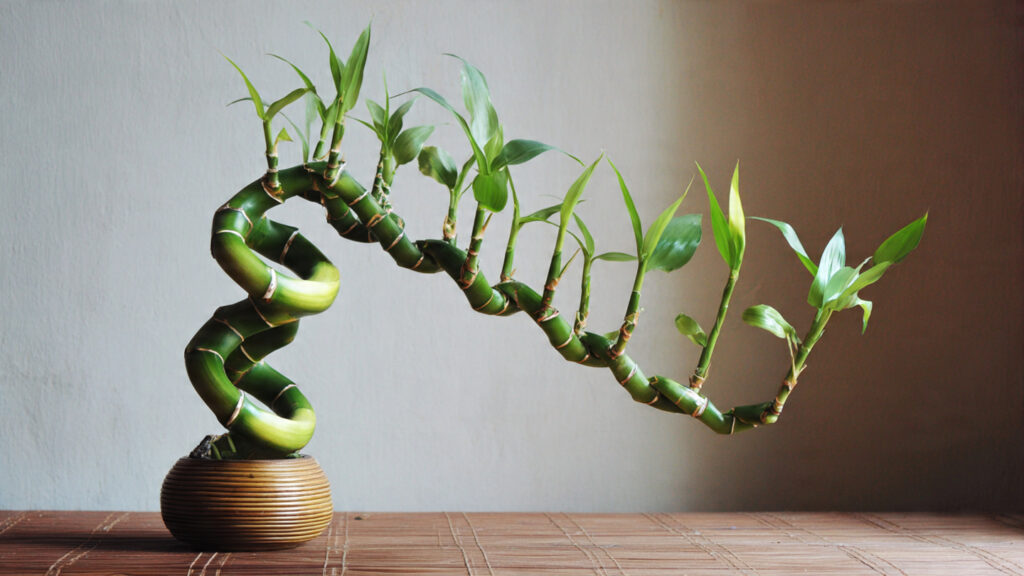
Lucky bamboo, known for its elegant green stalks and auspicious symbolism, has become a popular indoor plant for homes and offices. While straight-stalked bamboo is common, the spiral-shaped variety adds an extra touch of beauty and charm, instantly catching the eye. Beyond its aesthetic appeal, lucky bamboo is believed to bring prosperity, positive energy, and good luck to its surroundings. If you’ve ever wanted to grow spiral-shaped lucky bamboo at home, the process is easier than you might think. With a few simple techniques, you can cultivate this stunning plant and watch it thrive indoors.
Understanding Lucky Bamboo and Its Appeal
Lucky bamboo, scientifically known as Dracaena sanderiana, is not actually bamboo. Despite its name, it belongs to the Dracaena family. This plant is highly adaptable, thriving in water, soil, or hydroponic conditions, making it perfect for indoor gardening. Its growth rate is moderate, and with the right care, you can maintain its vibrant green color and unique shapes for years.
The spiral-shaped variety is particularly popular in Feng Shui practices, where the curved stalks are thought to enhance creativity, wealth, and harmony in your home or workspace. These twists and turns aren’t naturally occurring—they are cultivated through careful techniques that guide the plant’s growth in a spiral pattern.
Selecting the Right Bamboo Stalks
The journey to a spiral-shaped lucky bamboo begins with choosing healthy stalks. Look for plants that have:
- Bright green leaves without brown tips.
- Firm stalks that are free from cracks or soft spots.
- Several nodes (the little rings along the stem), as these help maintain flexibility during shaping.
Opting for younger, more flexible stalks is ideal, as they respond better to light manipulation and are easier to twist into spirals.
The Secret to Spiral Shapes: Light Training
The key technique to create spiral-shaped lucky bamboo is light training. Lucky bamboo naturally grows toward light, so by carefully controlling the direction of light, you can shape the stalks into spirals. Here’s how:
- Use a Transparent Cylinder or Vase – Place your bamboo inside a clear, cylindrical container. This will allow light to hit the plant from all sides evenly.
- Rotate Regularly – Turn the bamboo slowly, a little at a time, every few days. The stalk will gradually bend toward the light source, forming a curve.
- Consistent Light Exposure – Keep the plant in indirect sunlight or under artificial fluorescent light. Too much direct sun can scorch the leaves, while too little light will slow growth.
Over several weeks or months, with consistent rotation, your straight stalk can develop the gentle curves that form a spiral shape. Patience is essential here; forcing the plant too quickly can damage the stalk.
Using a Bamboo Spiral Mold
For those who want more precision, a spiral mold can help. These are cylindrical frameworks shaped like spirals, designed to guide the plant as it grows. Here’s how to use one:
- Insert the Bamboo into the Spiral Mold – Carefully slide the young stalk inside the spiral cage.
- Adjust Stalk Position Regularly – As the bamboo grows, make minor adjustments to ensure it follows the spiral path.
- Remove Mold After a Few Months – Once the bamboo takes on the spiral shape naturally, you can remove the mold, leaving the curved stalk standing gracefully on its own.
Using molds gives beginners a head start in achieving perfect spirals while minimizing the risk of breakage.
Maintaining Water and Nutrient Levels
Lucky bamboo can grow in water or soil, but maintaining proper hydration and nutrients is crucial for healthy, spiral-shaped stalks.
- Water: Use distilled or filtered water to prevent chlorine or fluoride damage. Change the water every 1–2 weeks to keep it fresh and oxygenated.
- Fertilizer: Apply a few drops of liquid fertilizer every month. Too much fertilizer can burn the roots, while too little may slow growth.
- Soil Option: If planted in soil, ensure it’s well-draining and keep it slightly moist. Avoid waterlogged soil, as this can cause root rot.
Healthy roots support a strong, flexible stalk, making it easier to shape the bamboo into spirals.
Pruning and Encouraging New Growth
To maintain a neat spiral shape, occasional pruning is necessary:
- Trim Yellow or Dead Leaves – Use clean scissors to snip off damaged leaves. This prevents disease and encourages new growth.
- Control Height – If the stalk grows too tall, you can cut the top carefully. New shoots often emerge from the cut, allowing you to continue shaping the spiral.
- Encourage Lateral Growth – Rotate the plant or adjust light direction to balance the spiral, ensuring it doesn’t grow unevenly or lean to one side.
Pruning not only keeps the plant aesthetically pleasing but also promotes vigorous growth.
Adding Decorative Touches
One of the charms of spiral-shaped lucky bamboo is its versatility in decoration. Consider:
- Glass Pebbles or Marbles – Place them at the base of the container for added stability and beauty.
- Ornamental Vases – Choose clear or colored vases that complement your home décor.
- Decorative Twine or Ribbons – Wrap gently around the stalks to accentuate the spiral curves, but avoid tight binding that could damage growth.
- Zen Arrangements – Combine bamboo with stones, moss, or small figurines for a mini indoor garden or tabletop centerpiece.
Decorative enhancements elevate the natural elegance of spiral bamboo, making it a stunning addition to any room.
➡️ How to Grow Malabar Spinach from Cuttings for Fast, Easy Greens
➡️ How to Grow Super Delicious Cabbage at Home Without a Garden
➡️ How to Grow Bean Sprouts at Home in Plastic Bottles Easily (Step‑by‑Step Guide)
➡️ Why is Your Lemon Tree Blooming in the Heart of Winter?
➡️ Why Should Your Garden Have a Dedicated Pollinator Highway?
➡️ Why Do Your Fruit Trees Need a Winter Wash to Thrive in Spring?
➡️ How Can Rice Water Transform Your Fruits into Sweeter Delights?
➡️ Jumpstart Your Winter Garden: Seed Starting Under Lights
Common Problems and How to Solve Them
Even with proper care, lucky bamboo can face challenges. Some common issues include:
- Yellowing Leaves – Often caused by overexposure to sunlight, excess fertilizer, or poor water quality. Solution: Reduce sunlight, rinse the roots, and use distilled water.
- Soft or Weak Stalks – May result from insufficient light or nutrients. Solution: Provide consistent light and supplement with mild fertilizer.
- Stunted Growth – Could be due to overcrowding in the container. Solution: Ensure enough space for roots and rotate plants regularly for uniform light exposure.
Addressing these problems promptly ensures that your spiral-shaped bamboo remains healthy and visually appealing.
The Joy of Growing Spiral Bamboo
Cultivating spiral-shaped lucky bamboo is more than just a decorative endeavor—it’s a rewarding process that combines patience, creativity, and care. Watching a straight stalk gradually twist into a graceful spiral gives a sense of accomplishment and connection to nature. Additionally, its presence indoors is believed to invite positive energy, foster calmness, and even bring good fortune according to Feng Shui principles.
Whether you’re a beginner in indoor gardening or an experienced plant enthusiast, the simple techniques of light training, mold guidance, careful watering, and pruning make growing spiral bamboo accessible and enjoyable. With attention and love, your home can flourish with these elegant, lucky green stalks that are as beneficial as they are beautiful.
Final Thoughts
Spiral-shaped lucky bamboo is an enchanting indoor plant that combines elegance, symbolism, and simplicity. By selecting healthy stalks, applying light-training techniques, optionally using molds, maintaining proper water and nutrient levels, and pruning carefully, you can cultivate these mesmerizing spirals right at home. Add decorative touches and mindful arrangements, and your spiral bamboo becomes not just a plant, but a centerpiece that radiates beauty and positive energy.
So, if you’ve ever dreamed of growing a lucky bamboo that twists and turns gracefully, now is the perfect time to start. With a little patience and the right techniques, you’ll enjoy the beauty, symbolism, and charm of spiral-shaped lucky bamboo in your living space for years to come.