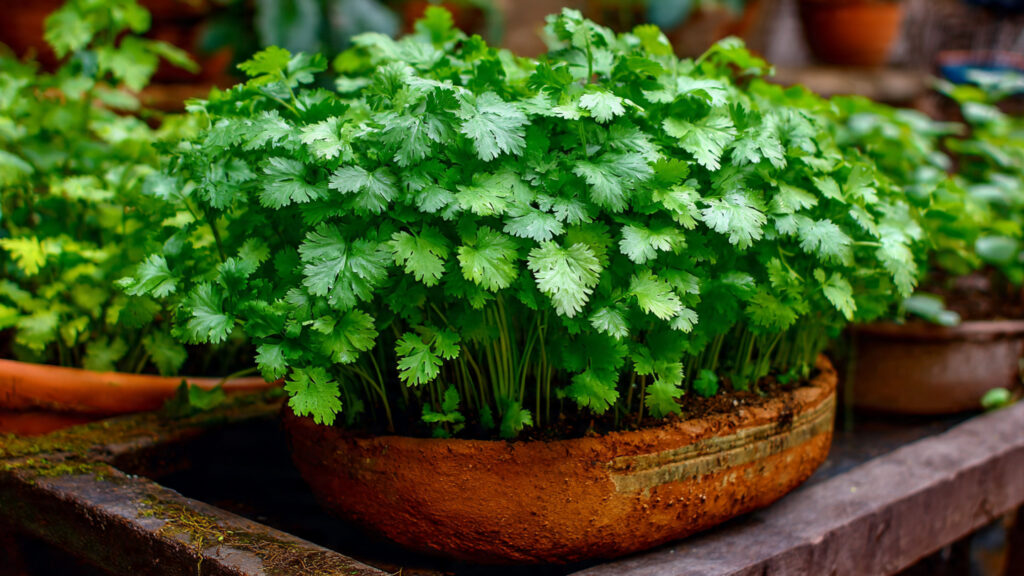
Coriander (Coriandrum sativum), also known as cilantro or Chinese parsley, is a culinary herb cherished worldwide for its aromatic leaves and flavorful seeds. From garnishing dishes to flavoring sauces and curries, coriander is a kitchen essential. Yet, one common challenge for gardeners is bolting—when the plant suddenly flowers and goes to seed, leaving behind bitter leaves that are unsuitable for cooking.
Fortunately, with the right techniques and a bit of planning, coriander can be grown successfully, producing lush, flavorful leaves without bolting prematurely. This guide will help both beginners and experienced gardeners cultivate coriander year-round while avoiding one of its most frustrating issues.
Understanding Bolting in Coriander
Bolting is a natural process where the plant transitions from leaf production to flowering and seed formation. While this is essential for the plant’s reproduction, it results in:
- Small, bitter leaves
- A sudden halt in leaf growth
- Seed production instead of usable greens
Bolting is triggered by several factors, including high temperatures, long daylight hours, stress, and poor soil conditions. Understanding these triggers is the first step toward preventing them.
Choosing the Right Coriander Variety
Selecting bolt-resistant coriander varieties is a key strategy for gardeners:
- Slow-Bolting Varieties: Some varieties have been specifically bred to resist flowering in warm conditions. Examples include:
- Santo – Known for prolonged leaf production.
- Calypso – Suitable for hotter climates.
- Leisure – Performs well in spring and early summer.
- Climate-Adapted Varieties: Choose coriander varieties suited to your local climate. Cooler-season types are more tolerant of moderate temperatures without bolting.
By starting with the right variety, you reduce the likelihood of premature flowering and maximize leaf harvest.
Optimal Planting Time
Timing is critical in coriander cultivation:
- Cool-Season Planting: Coriander grows best in temperatures between 50–85°F (10–29°C). Planting in early spring or late summer ensures cooler growing conditions.
- Avoid High Heat: Summer heat accelerates bolting. In warmer climates, sow seeds in shaded areas or use partial shade during peak afternoon heat.
- Succession Planting: Stagger seed sowing every 2–3 weeks to ensure continuous harvest and reduce stress on individual plants.
Planting at the right time helps maintain steady leaf production and delays the onset of flowering.
Soil Preparation and Fertility
Healthy soil contributes to slower bolting:
- Well-Draining Soil: Coriander thrives in loose, well-draining soil with good aeration. Heavy clay soils retain water, creating stress and promoting bolting.
- pH Level: Maintain soil pH between 6.2 and 6.8 for optimal growth.
- Fertility: Use a balanced, nitrogen-rich fertilizer to encourage lush leaf growth. Compost or organic matter improves soil structure and moisture retention.
- Avoid Excess Fertilizer: Too much nitrogen can create fast-growing leaves that are more prone to stress and bolting.
Proper soil preparation ensures a strong root system and steady vegetative growth.
Watering Techniques to Prevent Bolting
Consistent watering is crucial for preventing stress-induced bolting:
- Regular Moisture: Coriander requires evenly moist soil. Water deeply but avoid waterlogging, which can damage roots.
- Morning Watering: Water in the morning to allow leaves to dry during the day, reducing disease risk.
- Mulching: Apply organic mulch to maintain soil moisture, regulate temperature, and reduce stress on plants.
By managing water carefully, you reduce stress and create ideal conditions for slow, steady growth.
Spacing and Planting Techniques
Crowding or improper spacing can stress plants, triggering bolting:
- Seed Sowing: Sow seeds about 1/4 inch deep and 6–8 inches apart. Thin seedlings to prevent overcrowding.
- Container Gardening: If growing in pots, use containers at least 12 inches deep to accommodate roots and allow airflow.
- Interplanting: Plant coriander alongside other herbs like parsley or basil, which can provide light shade and help regulate temperature.
Proper spacing reduces competition for nutrients and moisture, supporting leaf growth and delaying flowering.
Temperature Management
Heat is a major trigger for coriander bolting. Here’s how to manage temperature:
➡️ How to Grow Malabar Spinach from Cuttings for Fast, Easy Greens
➡️ How to Grow Super Delicious Cabbage at Home Without a Garden
➡️ How to Grow Bean Sprouts at Home in Plastic Bottles Easily (Step‑by‑Step Guide)
➡️ Why is Your Lemon Tree Blooming in the Heart of Winter?
➡️ Why Should Your Garden Have a Dedicated Pollinator Highway?
➡️ Why Do Your Fruit Trees Need a Winter Wash to Thrive in Spring?
➡️ How Can Rice Water Transform Your Fruits into Sweeter Delights?
➡️ Jumpstart Your Winter Garden: Seed Starting Under Lights
- Partial Shade: In hot climates, use shade cloth or position pots where coriander receives morning sun but is shielded from intense afternoon heat.
- Cool-Season Growth Indoors: For year-round harvest, grow coriander indoors or in greenhouses during hot months.
- Protect from Frost: While heat induces bolting, cold can also damage plants. Maintain moderate temperatures for steady growth.
By controlling temperature, you can extend the vegetative phase and enjoy prolonged leaf production.
Pruning and Harvesting Techniques
Regular pruning encourages leaf growth and reduces stress:
- Harvest Early and Frequently: Cut leaves from the top, leaving lower leaves intact. Regular harvesting delays flowering.
- Pinching Tips: Pinch growing tips to promote branching and prevent stems from elongating too quickly.
- Avoid Cutting Too Low: Removing too much foliage stresses the plant, increasing the likelihood of bolting.
Frequent, careful harvesting keeps the plant in a leafy stage and maximizes your coriander yield.
Companion Planting to Reduce Stress
Companion planting can help create a microenvironment that discourages bolting:
- Basil, Lettuce, and Spinach: These leafy companions provide partial shade and reduce soil temperature.
- Marigolds: Help deter pests, reducing stress and keeping coriander healthy.
- Avoid Tall, Overcrowding Plants: Plants that overshadow coriander excessively can stress the herb, leading to premature flowering.
A well-planned companion planting setup reduces environmental stress and supports leafy growth.
Container vs. Ground Cultivation
Both methods have pros and cons for preventing bolting:
- Containers: Offer better control of soil, drainage, and temperature. Ideal for urban gardeners or hot climates.
- Garden Beds: Provide more space and nutrients but require careful attention to watering and shading.
- Hybrid Approach: Sow a batch in containers for peak season and maintain some in the garden for continuous harvest.
Container gardening often gives beginners an advantage in managing stress factors that lead to bolting.
Using Bolting-Resistant Techniques
Several proactive techniques further reduce bolting risk:
- Succession Sowing: Sow seeds every 2–3 weeks to avoid putting all plants through high-heat periods simultaneously.
- Shallow Root Encouragement: Maintain consistent watering and light fertilization to avoid deep root stress.
- Early Morning Harvest: Cut leaves early in the day when the plant is less stressed and better hydrated.
- Light Fertilizer Application: Avoid sudden high-nitrogen spikes; use slow-release organic fertilizers.
Implementing these techniques ensures your coriander plants remain leafy and flavorful for longer periods.
Troubleshooting Common Problems
Even with precautions, coriander may occasionally bolt. Common signs and solutions include:
- Premature Flowering: If temperatures spike, try shading or moving containers indoors.
- Yellowing Leaves: Check for overwatering or nutrient deficiency. Adjust care accordingly.
- Sparse Leaf Production: Thin overcrowded seedlings and prune top growth to encourage branching.
Understanding your plants and adjusting care accordingly helps maintain healthy, bolt-free coriander.
Conclusion
Growing coriander without bolting is achievable with thoughtful planning, proper care, and a few simple techniques. By selecting bolt-resistant varieties, providing optimal sunlight and soil, maintaining consistent watering, and harvesting regularly, you can enjoy lush, aromatic leaves for months.
Coriander is not just a kitchen herb; it’s a living, flavorful addition to your home garden. By preventing bolting, you ensure continuous harvest, vibrant flavors, and a visually appealing herb patch that enhances both culinary creations and your gardening experience.
With patience and attention to detail, even beginners can successfully cultivate coriander, turning a simple garden space into a flourishing herb oasis.