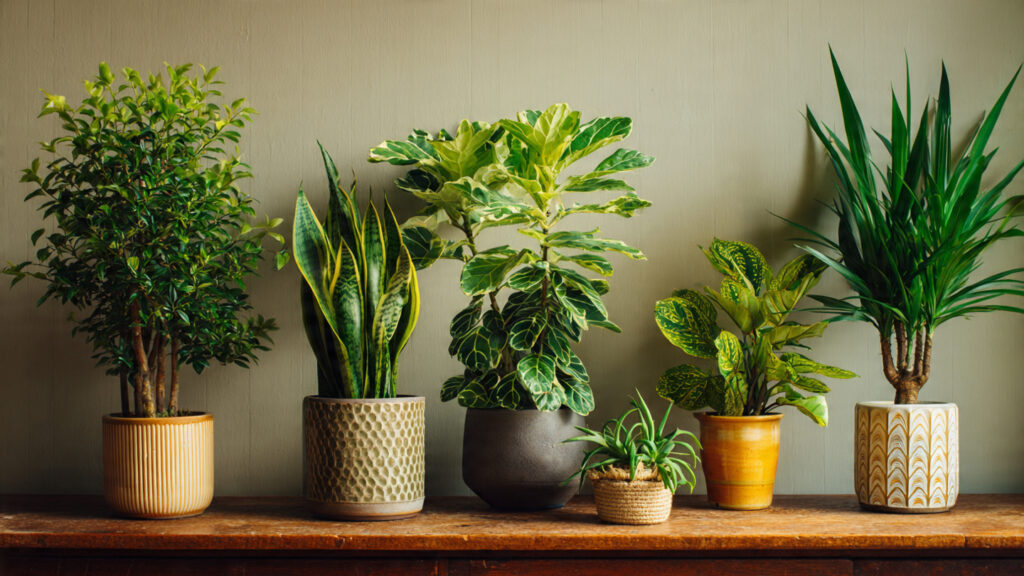
Indoor plants have a magical way of transforming a home. They brighten corners, purify the air, and bring a sense of life and calm to even the tiniest of spaces. Yet many people shy away from indoor gardening, fearing complicated care routines, limited sunlight, or lack of space. The good news is that small indoor plants are perfect for real-life spaces—from apartments to offices—offering beauty and greenery without demanding too much effort.
In this article, we’ll explore small indoor plant options, practical care tips, and space-friendly ideas to help anyone cultivate a thriving indoor jungle, no matter the size of their living area.
Why Choose Small Indoor Plants?
Small indoor plants are ideal for modern living for several reasons:
- Space-Smart: They fit on shelves, windowsills, desks, or countertops, making them perfect for apartments or offices.
- Low-Maintenance: Many small plants require minimal care, making them suitable for beginners.
- Air Quality: Even tiny plants can improve air quality by filtering pollutants and adding oxygen.
- Decorative Appeal: Small plants act as living art, enhancing aesthetics with colors, textures, and shapes.
- Stress Reduction: Indoor greenery has been shown to reduce stress, boost mood, and improve focus.
Choosing small indoor plants allows for flexible, beautiful, and practical greenery, even in tight spaces.
Popular Small Indoor Plants
Several small indoor plants are both attractive and easy to care for. Here are some favorites:
1. Pothos (Epipremnum aureum)
- Care Level: Easy
- Light: Low to medium
- Water: Allow soil to dry slightly between waterings
- Benefits: Thrives in low light, purifies air, and grows trailing vines for shelves or hanging planters
2. Snake Plant (Sansevieria trifasciata)
- Care Level: Very easy
- Light: Low to bright indirect light
- Water: Drought-tolerant; water sparingly
- Benefits: Excellent air purifier and virtually indestructible
3. ZZ Plant (Zamioculcas zamiifolia)
- Care Level: Easy
- Light: Low to medium indirect light
- Water: Allow soil to dry completely
- Benefits: Hardy, glossy leaves, and ideal for low-light corners
4. Spider Plant (Chlorophytum comosum)
- Care Level: Easy
- Light: Bright indirect light
- Water: Keep soil evenly moist
- Benefits: Produces “babies” that can be propagated easily; perfect for hanging baskets
5. Succulents and Cacti
- Care Level: Easy to moderate
- Light: Bright sunlight
- Water: Infrequent; allow soil to dry completely
- Benefits: Perfect for sunny windowsills; low-maintenance decorative options
6. Miniature Ferns (e.g., Button Fern, Maidenhair Fern)
- Care Level: Moderate
- Light: Indirect light
- Water: Keep soil consistently moist; high humidity preferred
- Benefits: Adds delicate texture; ideal for terrariums or small containers
Choosing the Right Plant for Your Space
When selecting small indoor plants, consider these factors:
Light Availability
- Low Light: Snake plant, ZZ plant, pothos
- Medium Light: Spider plant, peace lily
- Bright Light: Succulents, cacti, mini palms
Space Constraints
- Tiny Surfaces: Mini succulents or air plants
- Shelves or Ledges: Trailing pothos or string of pearls
- Desks or Tables: Compact ferns, small peace lilies, or small potted herbs
Lifestyle and Time
- Low-Maintenance: ZZ plant, snake plant
- Moderate Care: Spider plant, small ferns
- Frequent Attention: Mini herbs or moisture-loving tropical plants
Matching plant type with space and lifestyle ensures success and reduces stress.
Potting and Soil Essentials
Small indoor plants thrive when planted in appropriate pots and soil.
Pot Selection
- Drainage: Always choose pots with drainage holes to prevent root rot.
- Material: Ceramic, terracotta, and plastic are popular; terracotta naturally wicks moisture.
- Size: Slightly larger than the root ball allows growth without overcrowding.
Soil Choices
- Succulents and Cacti: Well-draining, gritty soil
- Tropical Plants: Rich, loamy soil with organic matter
- General Houseplants: Balanced potting mix with peat, compost, and perlite
A small plant in the right container with proper soil thrives without constant attention.
Watering Small Indoor Plants
Watering is the most common challenge for indoor gardeners. Overwatering is often the main cause of plant problems.
General Guidelines
- Check Soil Moisture: Stick a finger about 1–2 inches into the soil; water only if it’s dry.
- Water Sparingly: Small plants in small pots dry out faster, but excess water can cause root rot.
- Use Room-Temperature Water: Avoid shocking plants with cold water.
- Humidity: Tropical plants benefit from occasional misting or a humidity tray.
Tips for Consistency
- Group plants with similar water needs together.
- Use a small watering can for precision.
- Monitor for signs of stress: yellowing leaves may indicate overwatering, while wilting indicates underwatering.
Light Management
Even small plants need the right light conditions to thrive indoors.
Placement Tips
- Near Windows: East or west-facing windows provide ideal indirect light.
- Artificial Light: LED grow lights can supplement low-light conditions.
- Rotate Plants: Ensures even growth and prevents lopsided development.
Special Considerations
- Succulents need bright light; place near sunny windows.
- Low-light plants like ZZ plants tolerate corners and desks with minimal natural light.
Proper light management keeps plants healthy, vibrant, and lush.
Feeding Small Indoor Plants
Fertilization supports steady growth, especially for plants in containers.
Fertilizer Tips
- Frequency: Feed every 4–6 weeks during growing season (spring and summer).
- Type: Use a balanced liquid fertilizer or slow-release pellets.
- Dilution: For small plants, dilute liquid fertilizer to half-strength to avoid overfeeding.
Regular feeding ensures healthy leaves, stronger stems, and more compact growth.
Pruning and Maintenance
Even small plants need occasional pruning and maintenance.
➡️ How to Grow Malabar Spinach from Cuttings for Fast, Easy Greens
➡️ How to Grow Super Delicious Cabbage at Home Without a Garden
➡️ How to Grow Bean Sprouts at Home in Plastic Bottles Easily (Step‑by‑Step Guide)
➡️ Why is Your Lemon Tree Blooming in the Heart of Winter?
➡️ Why Should Your Garden Have a Dedicated Pollinator Highway?
➡️ Why Do Your Fruit Trees Need a Winter Wash to Thrive in Spring?
➡️ How Can Rice Water Transform Your Fruits into Sweeter Delights?
➡️ Jumpstart Your Winter Garden: Seed Starting Under Lights
- Trim Dead Leaves: Prevents disease and keeps plants attractive.
- Pinch Back Growth: For bushier plants, pinch tips to encourage branching.
- Repotting: Every 1–2 years, or when roots outgrow the pot.
Routine care keeps your small indoor plants thriving in real spaces without overwhelming effort.
Creative Ideas for Small Indoor Plants
Small plants can enhance your home in practical and creative ways:
- Terrariums: Perfect for ferns, mosses, and air plants; adds visual interest to small tables.
- Hanging Baskets: Trailing pothos or spider plants maximize vertical space.
- Desk Greens: Compact succulents or mini peace lilies bring life to workspaces.
- Kitchen Herbs: Small basil, thyme, or parsley pots double as functional cooking ingredients.
- Cluster Arrangements: Grouping multiple small plants creates a mini indoor garden effect without taking up too much room.
These ideas show that small plants can transform your living space while remaining manageable.
Benefits Beyond Aesthetics
Indoor plants, no matter their size, offer more than decoration:
- Air Purification: Many indoor plants filter toxins like formaldehyde and benzene.
- Mood Enhancement: Studies show that indoor greenery reduces stress and increases productivity.
- Mindful Routine: Caring for plants encourages patience and a sense of accomplishment.
- Educational Opportunities: Small plants are perfect for teaching children about nature, growth cycles, and responsibility.
Even one or two small plants can make a noticeable difference in your home’s environment.
Conclusion
Small indoor plants are a practical, beautiful, and low-maintenance way to bring greenery into real-life spaces. By selecting the right species, providing proper light, soil, water, and occasional feeding, anyone can create a thriving indoor garden, even in limited space.
Whether you’re adding a mini fern to a bookshelf, trailing pothos from a hanging planter, or tiny succulents to your desk, these plants offer both aesthetic and functional benefits. With thoughtful care and creative placement, small indoor plants turn ordinary rooms into vibrant, refreshing spaces while requiring realistic, achievable maintenance.
For anyone hesitant about indoor gardening, these plants prove that small can be mighty, and a tiny touch of greenery goes a long way toward a healthier, happier, and more inviting home.