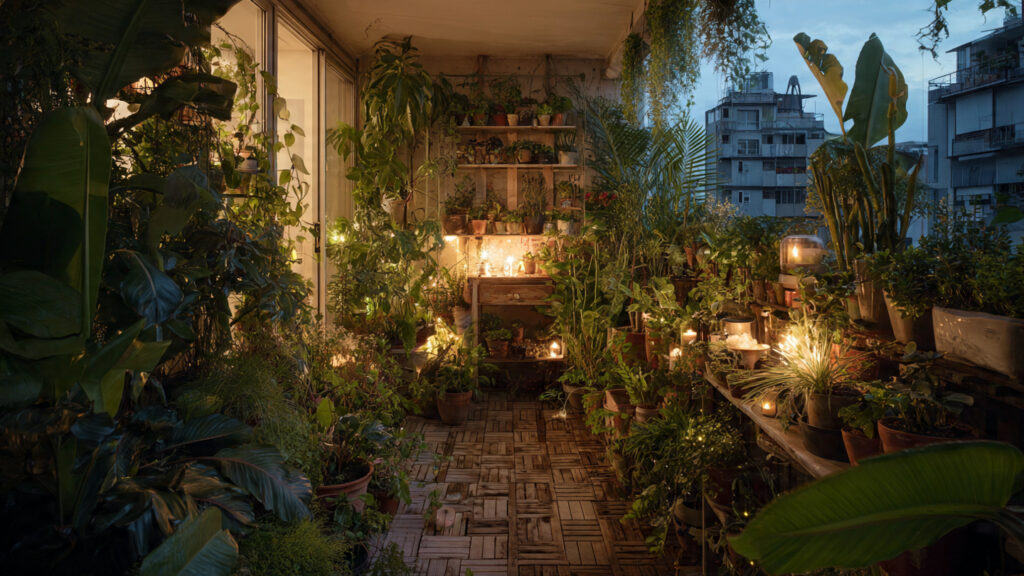
For many city dwellers, outdoor space is limited to a tiny balcony or a narrow terrace. But limited space doesn’t mean limited creativity. With the right approach, a small balcony can be transformed into a lush, inviting oasis—a place to relax, entertain, and enjoy greenery right at home.
This guide will show you how to maximize every inch of your balcony, from choosing the right plants to designing clever layouts that create the illusion of space. By the end, your small balcony can feel like a verdant retreat, no matter the size.
Why Balconies Are Perfect for Green Spaces
Even a small balcony has huge potential for urban gardening:
- Accessible greenery: Step outside and enjoy nature without leaving home.
- Air purification: Plants improve air quality by filtering pollutants and producing oxygen.
- Stress relief: A green space reduces stress and improves mood.
- Versatile design: Balconies can serve multiple functions—gardening, lounging, or dining.
Reality Check: A balcony may be small, but thoughtful planning can make it feel much larger and more functional.
Planning Your Balcony Garden
Before adding plants or furniture, planning is crucial:
- Assess sunlight: Observe how much direct sunlight your balcony receives. Some plants thrive in full sun, while others prefer shade.
- Measure space: Note dimensions to ensure furniture and plant arrangements fit comfortably.
- Consider weight limits: Balconies can only support so much weight, so use lightweight pots and furniture when necessary.
- Define purpose: Decide if your balcony is for relaxation, entertaining, or primarily gardening.
Pro Tip: Sketch a rough layout. Visualizing your space helps in selecting plants, containers, and furniture that maximize functionality and aesthetics.
Choosing Plants for Small Spaces
The right plants can turn a tiny balcony into a green paradise. Consider these options:
- Vertical plants: Use trellises, hanging planters, or wall-mounted pots to grow climbing plants like ivy, jasmine, or clematis.
- Compact vegetables: Herbs, cherry tomatoes, and lettuce thrive in small pots and provide edible rewards.
- Ornamental plants: Snake plants, peace lilies, and ferns add style and texture.
- Trailing plants: Petunias, pothos, and string-of-pearls can soften edges and create a cascading effect.
Reality Check: Choose plants suited to your balcony’s light and wind conditions to ensure they thrive.
Clever Container Gardening
Containers are key to balcony gardening. They allow mobility, control over soil, and creative design options:
- Size matters: Deep pots for root-heavy plants like tomatoes or small trees, shallow pots for herbs and succulents.
- Material: Lightweight resin, plastic, or fabric grow bags reduce weight without compromising durability.
- Drainage: Ensure proper drainage to prevent waterlogging.
Pro Tip: Group pots of different heights and shapes to create visual interest and the illusion of depth.
Maximizing Vertical Space
Vertical gardening is a game-changer for small balconies:
- Trellises and lattice panels: Ideal for climbing plants, creating privacy and green walls.
- Hanging baskets: Add greenery overhead without taking up floor space.
- Wall planters: Attach pots or shelves to walls to grow herbs, flowers, or succulents.
Pro Tip: Vertical gardens draw the eye upward, making the space feel larger and more lush.
Creating the Illusion of Space
Even a small balcony can feel spacious with smart design:
- Use mirrors: Reflect light and plants to visually expand the area.
- Opt for multi-functional furniture: Foldable tables, stackable chairs, or storage benches save room.
- Light colors: White or pastel furniture brightens the balcony, making it feel airy.
- Pathways: Leave narrow walkways between pots for easy movement and a sense of depth.
Reality Check: Overcrowding with pots or furniture can make even a larger balcony feel cramped. Less is often more.
Furniture Choices for Small Balconies
Choosing the right furniture ensures comfort without sacrificing space:
➡️ How to Grow Malabar Spinach from Cuttings for Fast, Easy Greens
➡️ How to Grow Super Delicious Cabbage at Home Without a Garden
➡️ How to Grow Bean Sprouts at Home in Plastic Bottles Easily (Step‑by‑Step Guide)
➡️ Why is Your Lemon Tree Blooming in the Heart of Winter?
➡️ Why Should Your Garden Have a Dedicated Pollinator Highway?
➡️ Why Do Your Fruit Trees Need a Winter Wash to Thrive in Spring?
➡️ How Can Rice Water Transform Your Fruits into Sweeter Delights?
➡️ Jumpstart Your Winter Garden: Seed Starting Under Lights
- Folding chairs and tables: Easy to store and move around.
- Built-in benches: Provide seating and storage simultaneously.
- Small lounge chairs or stools: Perfect for reading or enjoying a cup of coffee.
- Lightweight materials: Metal or resin furniture is easier to move and won’t strain balcony weight limits.
Pro Tip: Invest in cushions and throws to make compact furniture cozy and inviting.
Adding Texture and Color
Lushness comes from layering textures, colors, and heights:
- Mix foliage types: Combine broad-leaf plants with fine ferns or trailing vines.
- Use color strategically: Bright flowers or colorful pots can create focal points.
- Layer heights: Place taller plants at the back, medium plants in the middle, and trailing plants in front.
Reality Check: Balance is key—too many bold colors or textures can overwhelm a small space.
Lighting for Ambiance
Lighting transforms your balcony into a cozy evening retreat:
- String lights: Wrap around railings or trellises for a warm, soft glow.
- Solar lanterns: Eco-friendly and easy to place in pots or corners.
- Candles or LED tealights: Add ambiance for intimate nights on the balcony.
Pro Tip: Use lighting strategically to highlight plants and create the illusion of more depth.
Maintaining Your Balcony Garden
Consistency ensures your balcony stays lush and vibrant:
- Watering: Use drip irrigation, self-watering pots, or regular hand watering to prevent over- or under-watering.
- Pruning and trimming: Keep plants healthy, encourage growth, and maintain shape.
- Fertilizing: Use slow-release fertilizer or liquid feed for container plants to replenish nutrients.
- Cleaning: Sweep debris and wipe pots or railings to keep the balcony tidy.
Reality Check: Even low-maintenance plants need some attention. A little care goes a long way in maintaining lushness.
Adding Personal Touches
Your balcony should reflect your style and personality:
- Decorative pots: Match your interior theme or add vibrant contrasts.
- Outdoor rugs or mats: Define the space and add comfort.
- Art or ornaments: Hang lightweight wall art or wind chimes for charm.
- Water features: Small fountains add soothing sounds and a serene vibe.
Pro Tip: Personal touches make the balcony feel like an extension of your home, not just a garden.
Conclusion
A small balcony doesn’t mean you have to compromise on greenery or style. With careful planning, clever container gardening, vertical space use, and attention to design, even a tiny balcony can become a lush, spacious terrace. By mixing plants, adding multi-functional furniture, and incorporating textures, colors, and lighting, you can create an inviting retreat that feels larger than it is.
Remember, the key is thoughtful arrangement, maintenance, and personal touches. With these strategies, your balcony can become a sanctuary—a place to relax, enjoy nature, and bring your big green dreams to life. Even the smallest outdoor spaces can become verdant havens full of life, beauty, and serenity.