If you’re looking to add elegance and year-round charm to your garden, the Tagar flower is a perfect choice. Commonly known as Tagar and botanically called Tabernaemontana divaricata, this evergreen flowering shrub is admired for its glossy dark green leaves and delicate white, pinwheel-shaped blooms. Its low-maintenance nature and ability to thrive in tropical and subtropical climates make it especially popular in Indian home gardens.
One of the best ways to multiply Tagar plants and create a stunning landscape without spending much money is through small stem cuttings. With the right techniques and a little creativity, you can transform a single healthy plant into multiple flourishing shrubs that enhance your garden’s beauty. In this article, we’ll explore small Tagar flower cutting ideas and creative gardening tips to help you grow a breathtaking garden.
Why Choose Tagar for Your Garden?
Before diving into cutting techniques, it’s important to understand why Tagar is such a valuable addition to your outdoor space.
- Evergreen Beauty – Tagar retains its glossy foliage throughout the year.
- Fragrant Blooms – The pure white flowers add a refreshing look and subtle fragrance.
- Low Maintenance – It requires minimal care once established.
- Versatile Growth – Perfect for borders, hedges, pots, and even balcony gardens.
- Easy Propagation – Stem cuttings root quickly under proper conditions.
Because it roots easily, small cuttings are an economical and effective way to expand your garden.
Selecting the Right Cutting
Successful propagation begins with choosing a healthy parent plant.
What to Look For:
- Semi-hardwood stems (not too soft, not too woody)
- Disease-free leaves
- Active but not flowering stems
- Approximately 4–6 inches long
Using sharp, sterilized pruning scissors, cut just below a leaf node. Remove lower leaves while keeping two or three leaves at the top. This reduces water loss and encourages root growth.
Creative Small Tagar Cutting Ideas
Let’s explore innovative and space-saving ways to use small Tagar cuttings in your garden.
1. Mini Tagar Hedge Borders
Instead of planting large shrubs, use small rooted cuttings to create compact hedge borders. Plant them 1 to 1.5 feet apart along pathways or garden edges. Over time, they will grow into a dense, elegant white-flowering border that enhances your garden layout.
Regular trimming keeps the hedge neat and encourages bushier growth.
2. Tagar in Decorative Pots
Small Tagar cuttings thrive beautifully in pots. Use colorful ceramic containers, hanging baskets, or terracotta pots to create decorative accents.
Tips:
- Use well-draining soil (garden soil + compost + sand).
- Ensure drainage holes at the bottom.
- Place in partial sunlight for best flowering.
Potted Tagar works wonderfully for balconies and patios, especially if you’re gardening in limited spaces.
3. Water Propagation Display
One creative method is rooting small cuttings in transparent glass jars filled with water. This allows you to watch root development and adds a decorative indoor touch.
Steps:
- Place the cutting in clean water.
- Keep it in indirect sunlight.
- Change water every 3–4 days.
Once roots develop (in about 2–3 weeks), transfer the cutting to soil. This method is especially appealing for beginner gardeners.
➡️ How to Grow Malabar Spinach from Cuttings for Fast, Easy Greens
➡️ How to Grow Super Delicious Cabbage at Home Without a Garden
➡️ How to Grow Bean Sprouts at Home in Plastic Bottles Easily (Step‑by‑Step Guide)
➡️ Why is Your Lemon Tree Blooming in the Heart of Winter?
➡️ Why Should Your Garden Have a Dedicated Pollinator Highway?
➡️ Why Do Your Fruit Trees Need a Winter Wash to Thrive in Spring?
➡️ How Can Rice Water Transform Your Fruits into Sweeter Delights?
➡️ Jumpstart Your Winter Garden: Seed Starting Under Lights
4. Cluster Planting for Fuller Impact
Instead of planting single shrubs, group three to five small Tagar cuttings in one planting hole. As they grow, they form a fuller, more dramatic flowering bush.
This method works beautifully for:
- Garden corners
- Entryways
- Focal points near seating areas
Cluster planting creates the illusion of a mature plant much faster.
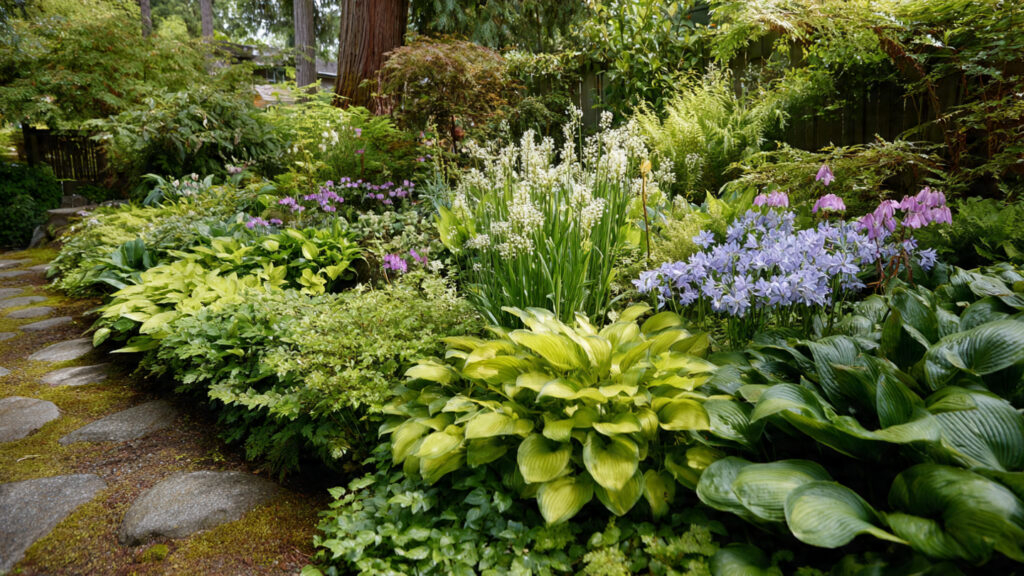
5. Layered Garden Design
Combine Tagar cuttings with other ornamental plants of varying heights. For example:
- Place taller shrubs behind.
- Tagar in the middle.
- Low ground cover plants in front.
This layered effect adds depth and dimension to your garden, making even small spaces look lush and professionally designed.
Rooting Medium Tips for Success
Tagar cuttings root best in a light and airy medium. Avoid heavy clay soil.
Ideal Rooting Mix:
- 40% garden soil
- 30% sand
- 30% compost or cocopeat
Keep the soil moist but not soggy. Excess water can cause rot before roots establish.
For faster rooting, you may dip the cut end in natural rooting boosters like aloe vera gel or cinnamon powder before planting.
Ideal Growing Conditions
To ensure your small Tagar cuttings thrive, provide these conditions:
Sunlight
Tagar prefers partial to full sunlight. At least 4–6 hours of light daily promotes healthy growth and flowering.
Watering
- Water moderately.
- Allow the topsoil to dry slightly between watering.
- Avoid waterlogging.
Temperature
Being a tropical plant, Tagar grows best in warm climates. It performs exceptionally well in most parts of India.
Fertilization
Feed with organic compost every 4–6 weeks to encourage abundant blooms.
Creative Garden Styling with Tagar
Beyond propagation, styling your garden creatively makes all the difference.
White-Themed Garden Corner
Since Tagar produces white blooms, create a white-themed garden section by pairing it with other white-flowering plants. The result is calming and visually striking, especially during evening hours.
Fragrant Night Garden
Tagar’s subtle fragrance enhances nighttime gardens. Plant it near windows, seating areas, or walkways where you can enjoy the scent after sunset.
Symmetrical Entrance Design
Place identical pots of Tagar on either side of your gate or doorway. This creates balance and a welcoming aesthetic.
Pruning for Fuller Growth
Regular pruning encourages bushy growth and more flowers.
Pruning Tips:
- Trim lightly after flowering cycles.
- Remove dead or weak branches.
- Pinch growing tips to promote branching.
Small cuttings grow into compact, manageable shrubs with proper trimming.
Common Mistakes to Avoid
Even though Tagar is easy to grow, beginners sometimes face challenges.
Overwatering
Too much water leads to root rot. Always ensure good drainage.
Poor Sunlight
Insufficient light reduces flowering.
Using Weak Cuttings
Soft or diseased stems may fail to root.
Heavy Soil
Dense soil prevents proper aeration.
Avoiding these mistakes ensures successful propagation.
Seasonal Care Tips
Summer
- Water more frequently.
- Provide slight afternoon shade in extremely hot regions.
Monsoon
- Check drainage regularly.
- Protect from excessive rain if planted in pots.
Winter
- Reduce watering.
- Apply light compost feeding before spring.
With seasonal adjustments, your Tagar garden will remain healthy year-round.
Why Small Cuttings Are Better Than Buying Large Plants
Many gardeners prefer buying fully grown plants, but small cuttings have advantages:
- Cost-effective
- Stronger root adaptation
- Easier to shape and train
- Greater satisfaction in growing from scratch
Watching a small cutting transform into a blooming shrub is incredibly rewarding.
Final Thoughts
Small Tagar flower cuttings open up endless creative gardening possibilities. Whether you want to design elegant hedge borders, decorate your balcony with flowering pots, or create a layered garden masterpiece, Tagar offers beauty and simplicity.
With proper cutting selection, the right soil mix, moderate watering, and thoughtful styling, you can cultivate a stunning garden filled with lush greenery and delicate white blossoms.
Gardening is not just about growing plants—it’s about nurturing life and expressing creativity. By propagating Tagar from small cuttings, you’re not only expanding your garden but also embracing a sustainable and fulfilling gardening journey.