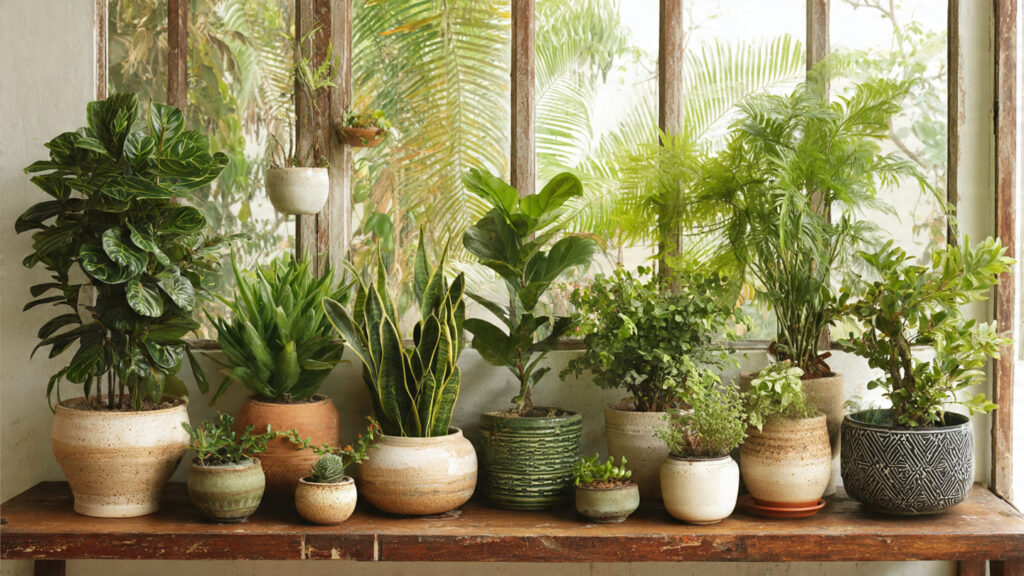
Not every home or apartment has large, sun-drenched windows perfect for indoor gardening. Many rooms are dim, facing north, or shaded by buildings or trees, leaving plant lovers wondering how they can keep greenery thriving indoors. The good news is that you don’t need to chase sunbeams to enjoy lush, healthy houseplants. With the right species and care, rooms without direct light can still become vibrant, green spaces.
In this guide, we’ll share 15 indoor plants recommended by growers for low-light rooms, explain why they work, and provide tips on keeping them healthy year-round.
Why Some Plants Thrive Without Direct Sunlight
Plants survive without direct sunlight through several adaptations:
- Low Light Tolerance: Certain plants have evolved to grow under forest canopies or shaded areas. They can photosynthesize efficiently with minimal light.
- Slow Growth: Low-light plants often grow slower, requiring less energy and reducing water and nutrient needs.
- Adaptable Leaves: Many low-light species have large, dark green leaves to capture as much light as possible.
Understanding these traits helps you choose plants that naturally thrive in dim rooms, eliminating frustration and wasted effort.
1. ZZ Plant (Zamioculcas zamiifolia)
- Why It Works: ZZ plants are famous for tolerating very low light and irregular watering. Their waxy, upright leaves store water and resist damage.
- Care Tips: Water sparingly, allow soil to dry between watering, and rotate occasionally for even growth.
2. Snake Plant (Sansevieria trifasciata)
- Why It Works: Snake plants survive in dim corners and are nearly indestructible. They perform photosynthesis differently at night (CAM photosynthesis), allowing survival in low-light areas.
- Care Tips: Avoid overwatering; use well-draining soil and minimal fertilization.
3. Pothos (Epipremnum aureum)
- Why It Works: Known for fast, trailing growth, pothos adapts to low-light rooms and can even grow in water alone.
- Care Tips: Trim vines regularly to encourage bushy growth and prevent legginess.
4. Peace Lily (Spathiphyllum)
- Why It Works: Peace lilies can survive in shaded environments while producing occasional white blooms. Their broad leaves maximize light absorption.
- Care Tips: Keep soil moist but not soggy; they also benefit from humidity and occasional leaf cleaning.
5. Cast Iron Plant (Aspidistra elatior)
- Why It Works: True to its name, the cast iron plant tolerates neglect, low light, and temperature fluctuations.
- Care Tips: Water moderately, avoid direct sunlight, and dust leaves occasionally.
6. Chinese Evergreen (Aglaonema)
- Why It Works: Aglaonema species tolerate very low light and are excellent for shaded corners. Their patterned leaves add color to otherwise dull spaces.
- Care Tips: Keep soil slightly moist, avoid drafts, and provide indirect light for the brightest leaf coloration.
7. Philodendron (Heartleaf Philodendron)
- Why It Works: Heartleaf philodendrons adapt to low-light conditions, making them ideal trailing or climbing plants for apartments.
- Care Tips: Prune as needed, use a moss pole for climbing, and avoid overwatering.
8. Spider Plant (Chlorophytum comosum)
- Why It Works: Spider plants tolerate indirect light and low-light environments while producing “spiderettes” for propagation.
- Care Tips: Water when soil is dry to the touch and occasionally rotate pots to ensure even growth.
9. Dracaena (Dracaena marginata or Dracaena fragrans)
- Why It Works: Dracaenas are hardy, low-light trees suitable for corners or floor spaces, providing height without bright light.
- Care Tips: Allow the top layer of soil to dry between watering; wipe leaves occasionally to remove dust.
10. Maidenhair Fern (Adiantum)
- Why It Works: Though fussy about humidity, maidenhair ferns can survive without direct sunlight. They add delicate, lacy texture to shaded rooms.
- Care Tips: Maintain consistent moisture, high humidity, and avoid moving them frequently.
11. Calathea (Calathea spp.)
- Why It Works: Calatheas are prized for their patterned leaves and ability to grow in indirect light. Some varieties even fold their leaves at night.
- Care Tips: Keep soil moist, provide high humidity, and avoid direct sunlight, which can scorch leaves.
12. Bromeliads (Neoregelia and Guzmania)
- Why It Works: Bromeliads adapt to filtered or low light while producing vibrant foliage and occasional flowers.
- Care Tips: Provide bright indirect light when possible, mist regularly, and keep the central cup filled with water.
13. Heartleaf Hoya (Hoya kerrii)
- Why It Works: Also called the “sweetheart plant,” Hoyas tolerate low light and grow slowly, producing waxy, heart-shaped leaves.
- Care Tips: Allow soil to dry between watering; provide support for climbing vines.
14. Lucky Bamboo (Dracaena sanderiana)
- Why It Works: Often grown in water or soil, lucky bamboo thrives in low-light conditions, making it perfect for desks and shelves.
- Care Tips: Change water every 2–3 weeks if grown hydroponically, or keep soil lightly moist.
15. Maidenhair Vine (Muehlenbeckia complexa)
- Why It Works: This delicate, trailing vine tolerates shade and adds a unique, airy texture to low-light rooms.
- Care Tips: Provide occasional indirect light, water moderately, and trim for shape.
Tips for Success in Low-Light Rooms
Even low-light plants benefit from careful attention. Follow these tips to maximize their health:
- Rotate Plants: Turn pots every few weeks so all sides receive light, preventing uneven growth.
- Supplement with Artificial Light: LED or fluorescent grow lights can enhance growth in darker rooms.
- Monitor Watering: Low-light plants require less frequent watering, so check soil moisture before watering.
- Maintain Humidity: Many shade-loving plants thrive in higher humidity; misting or using a humidifier can help.
- Clean Leaves Regularly: Dust reduces the plant’s ability to photosynthesize efficiently.
Benefits of Growing Low-Light Indoor Plants
- Air Purification: Many low-light plants, such as snake plants and peace lilies, remove toxins from indoor air.
- Stress Reduction: Indoor greenery reduces stress, boosts mood, and improves focus.
- Aesthetic Appeal: Shade-tolerant plants add texture, color, and visual interest to rooms that might otherwise feel drab.
- Easy Maintenance: Low-light plants are generally hardy and forgiving, making them perfect for beginners or busy households.
Common Mistakes to Avoid
- Overwatering: Many low-light plants are prone to root rot if soil remains too wet.
- Direct Sunlight Exposure: Even hardy shade plants can get scorched if placed in bright direct sunlight.
- Neglecting Rotation: Plants that aren’t rotated may grow unevenly and become leggy.
- Ignoring Pest Control: Low-light rooms may still attract pests; inspect plants regularly for signs of aphids, spider mites, or scale.
Conclusion
You don’t need sunbeams to have a thriving indoor garden. By choosing the right low-light plant species, providing basic care, and paying attention to their environmental needs, even the shadiest room can become a lush, vibrant sanctuary. From hardy survivors like ZZ plants and snake plants to decorative favorites like calathea and bromeliads, these 15 indoor plants offer a wide range of options for rooms without direct sunlight.
In addition to their aesthetic value, low-light plants improve air quality, reduce stress, and bring life to dark corners, proving that great gardening doesn’t always require a sunny windowsill. Whether you’re a beginner or a seasoned plant lover, these shade-tolerant species make it possible to cultivate a beautiful, low-maintenance indoor garden anywhere in your home.
By embracing shade-friendly plants, you can stop chasing sunbeams and instead focus on creating a serene, green indoor oasis—no direct sunlight required.