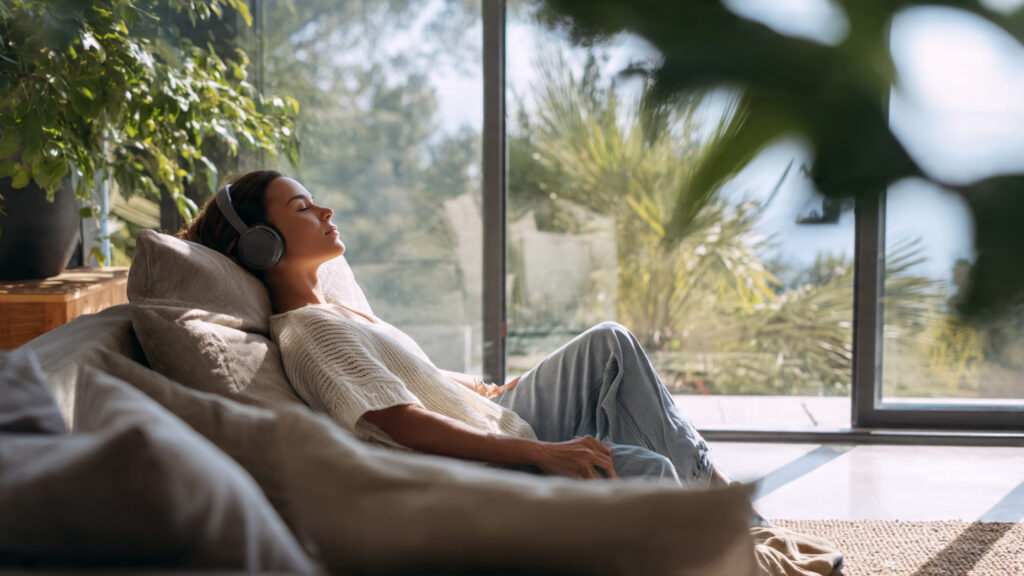
A clean home does more than just look appealing—it profoundly affects our mental and physical well-being. While many people focus on cleanliness for aesthetic reasons, research and psychology suggest that the state of our living environment directly impacts relaxation, stress levels, and overall mental health. A cluttered, untidy space can contribute to anxiety and tension, while a clean, organized home creates an atmosphere of calm and peace. In this article, we explore the powerful connection between clean homes and relaxation benefits, along with practical strategies for creating a soothing living space.
Why a Clean Home Matters for Mental Health
Our living space is an extension of our minds. When our homes are cluttered or dirty, it sends subtle signals to our brains that can increase stress and reduce our ability to relax. Some key ways a clean home affects mental health include:
- Reduced Stress: Clutter and dirt act as constant reminders of tasks left undone, which increases stress hormone levels like cortisol.
- Improved Focus: A tidy environment allows the brain to focus on one task at a time rather than being distracted by visual noise.
- Better Mood: Clean and organized surroundings are linked to elevated feelings of control, satisfaction, and overall happiness.
- Enhanced Sleep Quality: Bedrooms that are free of clutter and dirt promote better sleep, which in turn aids relaxation and recovery.
Scientific studies have consistently shown that individuals who maintain a clean and organized home report lower stress levels and higher life satisfaction.
The Psychology Behind Clean Spaces
The connection between cleanliness and relaxation is rooted in psychology. When we enter a clean and organized space, our brains experience a sense of order and predictability. This visual and physical order triggers the parasympathetic nervous system, which is responsible for the body’s “rest and digest” response.
In contrast, cluttered spaces can overstimulate the brain, causing feelings of overwhelm and anxiety. Visual chaos competes for attention, leaving less mental energy for relaxation or creative thinking. Essentially, a clean home helps the brain transition into a calm, relaxed state, making it easier to unwind after a busy day.
Clean Homes Promote Mindfulness
Maintaining a clean home also encourages mindfulness. When we consciously clean, organize, or declutter, we are fully present in the task at hand. This simple act of being present can mimic meditation, offering psychological benefits such as:
- Reduced Anxiety: Mindful cleaning reduces racing thoughts and provides a sense of control.
- Increased Satisfaction: Seeing immediate results from cleaning—shiny surfaces, folded clothes, organized shelves—rewards the brain with a sense of accomplishment.
- Better Emotional Regulation: Engaging in cleaning routines can help process emotions and release tension accumulated during the day.
By incorporating mindfulness into cleaning routines, even small cleaning sessions can produce relaxation benefits.
The Role of Minimalism and Decluttering
Minimalism goes hand-in-hand with relaxation. A home with fewer unnecessary items is easier to clean, maintain, and enjoy. Decluttering not only creates physical space but also frees mental space. Here’s how it contributes to relaxation:
- Less Visual Stress: Fewer objects mean less distraction and a more serene environment.
- Simplified Cleaning: Fewer items make cleaning quicker and less stressful, leaving more time for relaxation.
- Increased Productivity: An organized home allows for more efficient daily routines, reducing the mental load of managing multiple tasks.
Regular decluttering sessions, even 10–15 minutes a day, can significantly enhance a sense of order and calm.
Clean Homes Reduce Health Stressors
A clean home is not only psychologically relaxing—it also protects physical health, which contributes to overall relaxation:
- Reduced Allergens: Dust, pet dander, and mold can trigger allergies, asthma, and irritability. Regular cleaning keeps these irritants at bay.
- Lower Risk of Illness: Regular disinfecting of surfaces reduces the spread of germs, leading to fewer illnesses and less stress about health.
- Enhanced Air Quality: Clean homes with proper ventilation promote better breathing and improved relaxation.
By maintaining a clean environment, we remove these physical stressors, allowing the mind and body to relax more fully.
Creating a Cleaning Routine for Relaxation
To maximize relaxation benefits, it helps to establish a consistent cleaning routine rather than waiting for clutter to pile up. Here are some practical strategies:
- Daily Tasks: Make the bed, wash dishes, wipe counters, and put items back in their place. Small daily tasks prevent mess from accumulating.
- Weekly Cleaning: Vacuum or mop floors, clean bathrooms, dust furniture, and launder bedding. Weekly cleaning ensures a baseline of cleanliness.
- Monthly Deep Cleaning: Organize closets, clean appliances, and declutter spaces like the garage or attic. Deep cleaning creates a lasting sense of order.
- Decluttering Sessions: Periodically evaluate items that are no longer needed and donate or discard them. Less clutter makes cleaning easier and the home more relaxing.
Consistency is key—cleaning in small increments is more sustainable and less stressful than trying to tackle everything at once.
Incorporating Relaxation Elements in a Clean Home
A clean home sets the foundation for relaxation, but adding intentional elements can amplify the benefits:
- Aromatherapy: Essential oils or scented candles like lavender or eucalyptus can boost relaxation.
- Natural Light: Clean windows and uncluttered spaces allow more sunlight, enhancing mood.
- Plants: Indoor greenery improves air quality and adds a calming visual element.
- Comfortable Furniture: Clean, well-arranged seating areas encourage restful downtime.
Combining cleanliness with these calming elements transforms the home into a sanctuary that actively promotes relaxation.
➡️ How to Grow Malabar Spinach from Cuttings for Fast, Easy Greens
➡️ How to Grow Super Delicious Cabbage at Home Without a Garden
➡️ How to Grow Bean Sprouts at Home in Plastic Bottles Easily (Step‑by‑Step Guide)
➡️ Why is Your Lemon Tree Blooming in the Heart of Winter?
➡️ Why Should Your Garden Have a Dedicated Pollinator Highway?
➡️ Why Do Your Fruit Trees Need a Winter Wash to Thrive in Spring?
➡️ How Can Rice Water Transform Your Fruits into Sweeter Delights?
➡️ Jumpstart Your Winter Garden: Seed Starting Under Lights
Psychological Tricks to Stay Motivated
Even when understanding the benefits, staying motivated to maintain a clean home can be challenging. These strategies help:
- Visual Progress: Focus on small, visible achievements—like a clean countertop or organized shelf. Immediate results reinforce the habit.
- Set Timers: Cleaning in short bursts of 15–20 minutes prevents burnout and makes it more manageable.
- Reward Yourself: Pair cleaning tasks with small rewards like listening to music or enjoying a cup of tea afterward.
- Make It Social: Engage family members or roommates—shared responsibility makes cleaning faster and less burdensome.
Motivation is easier to maintain when cleaning routines are enjoyable and structured.
The Connection to Mind-Body Wellness
Maintaining a clean home supports a holistic approach to well-being. The combination of reduced visual clutter, improved hygiene, and mindful engagement creates a calming environment for the mind and body. Relaxation benefits can include:
- Lowered blood pressure and heart rate
- Reduced stress and anxiety levels
- Improved concentration and mental clarity
- Enhanced emotional stability
- Better sleep quality
The ripple effect of a clean home can transform daily life, creating a space where both mental and physical wellness thrive.
Conclusion
The connection between clean homes and relaxation benefits is more than just a motivational saying—it is a scientifically supported principle that links environment, mental state, and overall well-being. A clean, organized home reduces stress, promotes mindfulness, improves air quality, and fosters a sense of accomplishment. By adopting consistent cleaning routines, decluttering regularly, and incorporating relaxation-focused elements like natural light, plants, and aromatherapy, you can transform your home into a sanctuary of calm.
Ultimately, maintaining a clean home is an investment in your mental and physical health. By creating spaces that are orderly, serene, and inviting, you give yourself the opportunity to relax, recharge, and face daily challenges with clarity and peace. A clean home is not just visually appealing—it is the foundation for a relaxed and harmonious life.