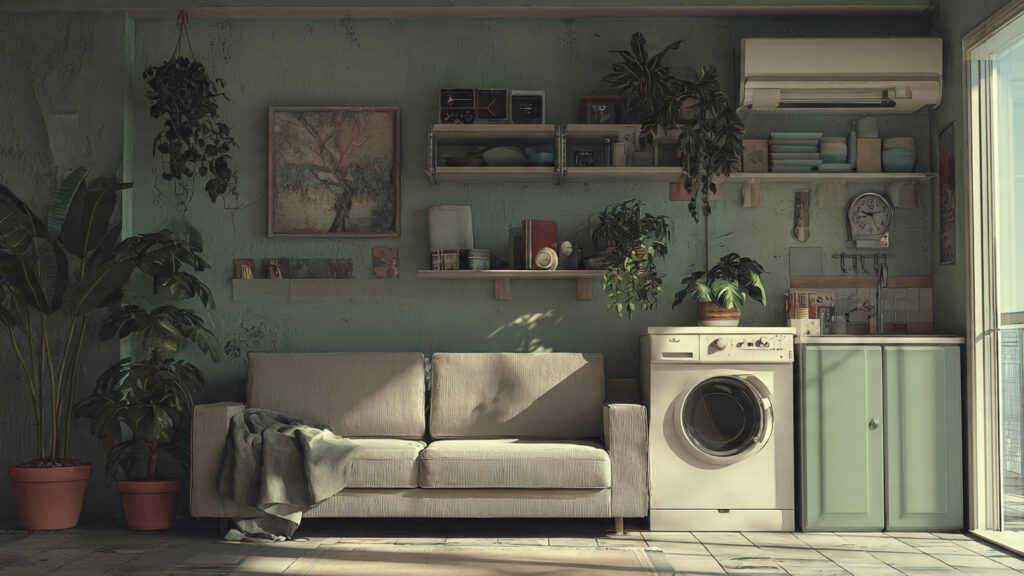
In today’s fast-paced world, where noise, clutter, and chaos seem to dominate our lives, finding serenity has become more important than ever. A tidy home and a quiet system—whether it’s the hum of your appliances, the workflow of your office, or the efficiency of your household routines—play a pivotal role in fostering calmness and mental clarity. The essence of serenity is not just a luxury; it’s a vital component of a balanced, healthy life. This article explores how tidiness and quiet systems can transform your environment, reduce stress, and enhance your overall well-being.
Why Tidy Homes Matter
A cluttered space often mirrors a cluttered mind. Research consistently shows that messy environments can increase stress, reduce focus, and negatively impact mental health. In contrast, a tidy home promotes a sense of control, organization, and peace.
- Visual Calm: The human brain responds positively to orderly spaces. Open surfaces, neatly arranged belongings, and minimal clutter help create a visual calm that reduces anxiety.
- Efficiency: Tidy spaces save time and energy. When everything has a designated place, it’s easier to find what you need, which reduces frustration and creates mental space for more meaningful activities.
- Hygiene and Health: Cleanliness reduces dust, allergens, and germs, contributing to a healthier home environment. Serenity thrives where health is prioritized.
Creating a tidy home is not about perfection; it’s about intentional organization. Simple habits, such as decluttering one room at a time, keeping surfaces clear, and adopting storage solutions that suit your lifestyle, can transform your space and mindset.
The Role of Quiet Systems
While tidiness affects your physical environment, quiet systems influence the invisible workings of your life. A “quiet system” can refer to anything from a well-functioning home appliance, an efficient workflow, to a calm digital environment with minimal notifications. These systems are essential for reducing mental noise and promoting serenity.
- Appliance Efficiency: Modern appliances, like quiet dishwashers, washing machines, and HVAC systems, reduce auditory stress. Imagine washing clothes without the constant roar of a machine—this subtle shift can make your home feel like a sanctuary.
- Workflow Management: In workspaces, quiet systems mean smooth processes with minimal interruptions. Using digital tools efficiently, setting up automated routines, and organizing tasks reduces cognitive load.
- Digital Serenity: Reducing constant notifications, organizing digital files, and setting boundaries with devices creates mental space similar to a tidy physical home.
Quiet systems allow our minds to focus, our bodies to relax, and our emotions to stabilize. The absence of unnecessary noise—both literal and figurative—makes room for serenity to flourish.
Linking Tidiness and Serenity
Tidy homes and quiet systems are deeply interconnected. Together, they create an environment where peace, focus, and clarity thrive.
- Mindful Living: When your surroundings are organized, you naturally become more mindful. You notice details, appreciate aesthetics, and engage more fully with your environment.
- Reduced Decision Fatigue: Cluttered spaces force your brain to make countless small decisions daily, which leads to mental exhaustion. A tidy home and well-organized systems reduce this cognitive load.
- Enhanced Creativity: A serene environment fosters creativity. Artists, writers, and innovators often seek spaces where the mind is free from distractions and the surroundings are orderly.
Practical Tips for Creating Tidy Homes
Transforming your home into a sanctuary of serenity doesn’t have to be overwhelming. Start with small, consistent actions:
- Declutter Regularly: Remove items that no longer serve a purpose. Donate, recycle, or store away items you rarely use.
- Designate Zones: Assign specific areas for work, leisure, and rest. This organization prevents clutter from spreading and helps maintain harmony.
- Adopt Minimalism: Focus on quality over quantity. Keeping fewer items can elevate the beauty of your home and make maintenance easier.
- Use Smart Storage Solutions: Baskets, shelves, hooks, and labeled containers help maintain order while keeping essentials accessible.
- Daily Maintenance: Spend 10–15 minutes daily tidying surfaces, returning items to their place, and keeping spaces ready for use. Small habits create lasting results.
Optimizing Quiet Systems
To fully embrace serenity, quiet systems should complement your tidy home. Consider these strategies:
- Upgrade to Silent Appliances: Modern appliances are designed for quieter operation. Choosing low-noise options for daily chores can significantly improve your home ambiance.
- Automate Repetitive Tasks: Smart home devices, programmable coffee makers, or robotic vacuums reduce daily labor and mental load, creating a smoother environment.
- Organize Workflows: Use planners, apps, or routines to manage tasks efficiently. Clear schedules reduce interruptions and allow you to focus on meaningful work.
- Create Digital Boundaries: Silence unnecessary notifications, batch emails, and set device-free zones in your home. This reduces digital noise and promotes mental calm.
The Psychological Benefits of Serenity
A tidy home and quiet systems do more than improve aesthetics—they profoundly affect mental health:
- Reduced Stress: Clutter and noise elevate cortisol levels, triggering stress responses. Orderly spaces and quiet routines help lower stress naturally.
- Improved Sleep: A serene bedroom promotes restful sleep. Decluttered spaces and quiet environments reduce stimuli that disrupt sleep cycles.
- Enhanced Focus and Productivity: With fewer distractions, the brain can concentrate on tasks more effectively, improving efficiency and satisfaction.
- Emotional Balance: Serenity fosters a sense of safety and stability, allowing emotional energy to be directed toward joy, creativity, and relationships rather than stress management.
Creating a Holistic Environment of Calm
For true serenity, integrate tidiness and quiet systems into your lifestyle. Think beyond physical spaces:
- Mindful Habits: Incorporate meditation, slow living, or mindful breathing into your daily routine. A tidy, quiet home enhances these practices.
- Connection to Nature: Indoor plants, open windows, and natural light amplify the sense of calm, bridging indoor order with natural serenity.
- Intentional Design: Arrange furniture for comfort and flow, use calming colors, and minimize sensory overload. Every element should contribute to peace.
The Long-Term Rewards
Investing time in maintaining tidy homes and quiet systems yields lasting rewards:
- Sustainable Peace: Serenity becomes a permanent aspect of life, not just occasional relief.
- Stronger Relationships: Calm environments reduce tension among household members and promote positive interactions.
- Increased Personal Fulfillment: With clutter and noise managed, you gain more time and mental space to pursue passions, hobbies, and personal growth.
Final Thoughts
The essence of serenity lies in balance: the harmony between organized spaces and the smooth operation of systems in our lives. A tidy home is a canvas for calm, while quiet systems provide the rhythm of daily life that supports mental clarity and emotional stability. Together, they create a sanctuary where stress diminishes, focus improves, and inner peace thrives.
By intentionally cultivating both order and quietness, we not only transform our surroundings but also enrich our lives. Serenity is no longer a distant dream; it becomes an attainable, everyday reality. Whether it’s the gentle hum of a silent appliance, the visual calm of a decluttered room, or the smooth workflow of an efficient routine, each element contributes to a life that feels lighter, calmer, and more purposeful.
A serene home is more than aesthetics—it is a foundation for a happier, healthier, and more meaningful life. Start small, stay consistent, and watch your home and systems evolve into a true haven of peace.
➡️ How to Grow Malabar Spinach from Cuttings for Fast, Easy Greens
➡️ How to Grow Super Delicious Cabbage at Home Without a Garden
➡️ How to Grow Bean Sprouts at Home in Plastic Bottles Easily (Step‑by‑Step Guide)
➡️ Why is Your Lemon Tree Blooming in the Heart of Winter?
➡️ Why Should Your Garden Have a Dedicated Pollinator Highway?
➡️ Why Do Your Fruit Trees Need a Winter Wash to Thrive in Spring?
➡️ How Can Rice Water Transform Your Fruits into Sweeter Delights?
➡️ Jumpstart Your Winter Garden: Seed Starting Under Lights