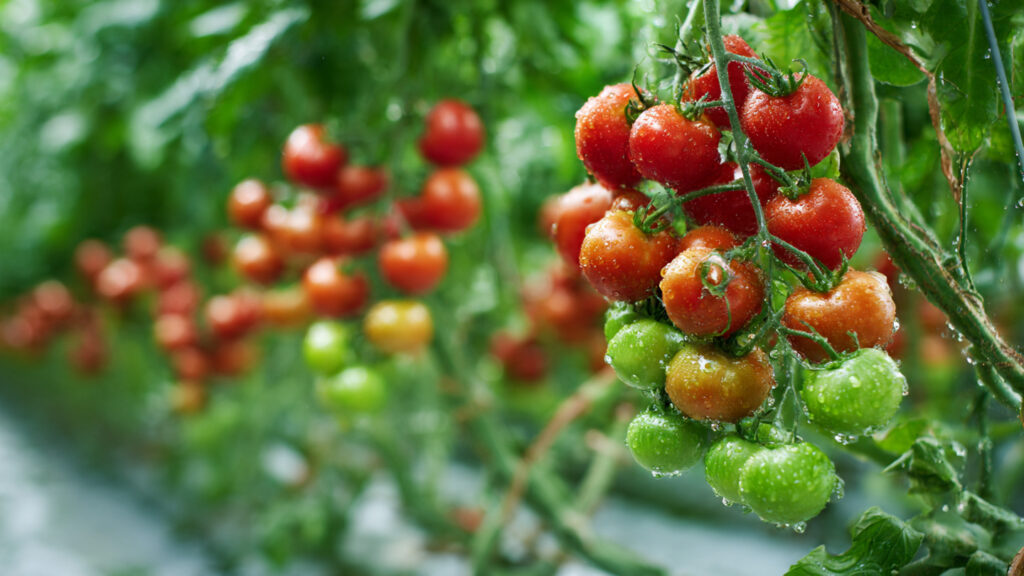
Tomatoes are one of the most beloved and widely grown crops worldwide, prized for their flavor, versatility, and nutritional value. Yet, many gardeners and farmers struggle with limited yields despite careful care. Imagine if there was a method to grow tomatoes that consistently produced several times more fruit than traditional techniques. Fortunately, advances in cultivation practices, technology, and plant science are turning this vision into reality.
This guide explores the “future method” of growing tomatoes—a combination of modern growing systems, soil and nutrient optimization, pruning strategies, and climate control—that dramatically increases yield while maintaining flavor, quality, and plant health.
Understanding Tomato Growth and Yield Potential
Tomatoes (Solanum lycopersicum) are sensitive plants that respond strongly to their environment. Yield depends on several factors:
- Variety: Indeterminate versus determinate, cherry versus beefsteak, hybrid versus heirloom. Indeterminate varieties continue flowering and fruiting over long periods.
- Plant health: Disease-free, vigorous plants produce more fruit.
- Pollination: Effective pollination improves fruit set.
- Growing conditions: Sunlight, temperature, humidity, soil, water, and nutrients.
Traditional methods often limit yields due to inadequate spacing, inconsistent nutrition, poor pruning, or environmental stress. The future method overcomes these challenges systematically.
Step 1: Choosing the Right Varieties
Selecting high-yielding varieties is critical. Modern hybrid tomatoes are bred for:
- Disease resistance
- Uniform fruit size
- Extended fruiting periods
- Strong indeterminate growth
For maximum yield:
- Choose indeterminate or high-yield determinate hybrids for long harvest seasons.
- Consider cherry or small-fruited varieties for multiple fruit clusters per branch.
- Look for disease-resistant strains suited to your local climate.
Variety selection sets the foundation for future-focused, high-yield cultivation.
Step 2: Optimizing Soil and Growth Medium
The most productive tomato plants thrive in well-draining, nutrient-rich soil. For future methods:
Soil Preparation:
- Deeply loosen soil to 12–18 inches to allow extensive root growth.
- Mix in organic matter: compost, well-rotted manure, or biochar to improve fertility and moisture retention.
- Ensure slightly acidic to neutral pH (6.0–7.0).
Soilless Systems:
Many high-yield growers are adopting hydroponic or aeroponic systems:
- Hydroponics: Roots grow directly in nutrient solutions; plants receive exact nutrients for maximum growth.
- Aeroponics: Roots are suspended in air and misted with nutrient solution; this maximizes oxygen availability and speeds up growth.
Soilless systems allow precise nutrient delivery and can dramatically increase fruit production.
Step 3: Advanced Fertilization for Maximum Yield
Future tomato-growing methods emphasize targeted, balanced nutrition. Key nutrients:
- Nitrogen (N): Supports leaf and stem growth.
- Phosphorus (P): Encourages root development and flowering.
- Potassium (K): Enhances fruit size, quality, and disease resistance.
- Calcium: Prevents blossom end rot.
- Micronutrients: Magnesium, boron, iron, and zinc support enzymatic and reproductive processes.
Fertilization Strategy:
- Early growth: Higher nitrogen to promote strong vegetative growth.
- Flowering and fruit set: Shift to higher phosphorus and potassium to encourage blossoms and fruit development.
- Foliar feeding: Supplement with foliar sprays for micronutrients to quickly correct deficiencies.
Precise nutrient management results in faster growth, larger fruits, and more consistent harvests.
Step 4: Precision Watering
Water stress is one of the leading causes of reduced tomato yields. Future methods use:
- Drip irrigation systems: Deliver water directly to the root zone, minimizing waste and leaf wetting.
- Soil moisture sensors: Monitor water levels and automate irrigation for consistent soil moisture.
- Mulching: Retains soil moisture and stabilizes temperature.
Maintaining consistent moisture prevents fruit cracking, blossom drop, and uneven growth.
Step 5: Pruning and Training for High Yields
Proper pruning maximizes sunlight exposure and airflow, reducing disease and encouraging larger fruit clusters.
➡️ How to Grow Malabar Spinach from Cuttings for Fast, Easy Greens
➡️ How to Grow Super Delicious Cabbage at Home Without a Garden
➡️ How to Grow Bean Sprouts at Home in Plastic Bottles Easily (Step‑by‑Step Guide)
➡️ Why is Your Lemon Tree Blooming in the Heart of Winter?
➡️ Why Should Your Garden Have a Dedicated Pollinator Highway?
➡️ Why Do Your Fruit Trees Need a Winter Wash to Thrive in Spring?
➡️ How Can Rice Water Transform Your Fruits into Sweeter Delights?
➡️ Jumpstart Your Winter Garden: Seed Starting Under Lights
Techniques:
- Single-stem training: Remove side shoots (suckers) to focus energy on one main stem.
- Multiple-stem method: In some high-density systems, 2–3 main stems are maintained for more fruit-bearing sites.
- Trellising or staking: Keeps fruits off the ground, preventing rot and improving airflow.
Pruning may seem counterintuitive, but directing energy into fewer, stronger branches results in multiple times more quality fruit than unpruned, bushy plants.
Step 6: Environmental Control
Modern tomato cultivation increasingly relies on controlled environments:
- Greenhouses or polytunnels: Protect plants from extreme weather and pests.
- Temperature control: Optimal fruit set occurs between 70–85°F (21–29°C) during the day and 60–70°F (16–21°C) at night.
- Humidity management: Moderate humidity (50–70%) prevents fungal disease while encouraging pollination.
- Supplemental lighting: Extends photoperiod in winter or low-light conditions for year-round fruiting.
Environmental stability allows plants to continuously produce flowers and fruit without seasonal stress interruptions.
Step 7: Pollination Techniques
High yields require effective pollination.
- Natural pollinators: Bees, bumblebees, and wind contribute.
- Manual pollination: In controlled environments, gently shaking flowers or using electric pollination brushes improves fruit set.
- Buzz pollination: Electric toothbrushes can mimic bee vibration, especially useful in greenhouses.
Consistent pollination ensures a high number of fruit clusters per plant.
Step 8: Integrated Pest and Disease Management
Healthy plants produce more fruit. The future method combines prevention and minimal intervention:
- Monitoring: Regularly inspect leaves, stems, and fruit for signs of pests or disease.
- Biological controls: Use beneficial insects like ladybugs or predatory mites.
- Cultural practices: Proper spacing, pruning, and sanitation reduce disease incidence.
- Resistant varieties: Select hybrid tomatoes bred for resistance to common pathogens.
Healthy, pest-free plants allocate more energy to flowering and fruiting rather than defense.
Step 9: Continuous Harvesting
Future-focused tomato growing recognizes the importance of frequent harvesting to encourage ongoing production:
- Pick ripe fruits regularly.
- Harvesting signals the plant to continue producing flowers and new fruit.
- Remove overripe or damaged fruits to prevent disease and nutrient diversion.
Consistent harvesting can double the number of harvest cycles per plant.
Step 10: Using Modern Growth Enhancers
Some advanced growers implement growth enhancers to maximize yields:
- Plant growth regulators (PGRs): Encourage flowering or fruit set under controlled use.
- Organic stimulants: Seaweed extracts or humic acids can improve nutrient uptake and stress tolerance.
- CO₂ enrichment in greenhouses: Increases photosynthesis and fruit production.
Combined with optimized light, water, and nutrient regimes, these techniques significantly boost fruit quantity and quality.
Advantages of the Future Method
Adopting these high-efficiency growing methods offers several benefits:
- Multiple times higher yields per plant.
- Consistent, high-quality fruit.
- Reduced labor through automation and precision irrigation.
- Controlled environment reduces losses from pests and weather.
- Year-round production possible in greenhouses.
Whether for commercial production or ambitious home gardeners, these methods represent the next evolution in tomato cultivation.
Final Thoughts
The future method of growing tomatoes emphasizes a scientific, precise, and proactive approach. By combining:
- High-yield varieties
- Optimized soil and nutrients
- Precision watering
- Pruning and training techniques
- Environmental control
- Effective pollination
- Integrated pest management
…gardeners can achieve yields several times greater than traditional practices.
These methods don’t just increase quantity—they improve fruit quality, consistency, and plant health. With a little investment in knowledge, tools, and careful observation, anyone can turn their tomato garden into a highly productive, efficient, and rewarding system.
Embracing the future of tomato cultivation is about harnessing modern techniques while respecting the plant’s natural growth habits. With the right approach, your tomato harvest can be bigger, better, and more continuous than ever before.