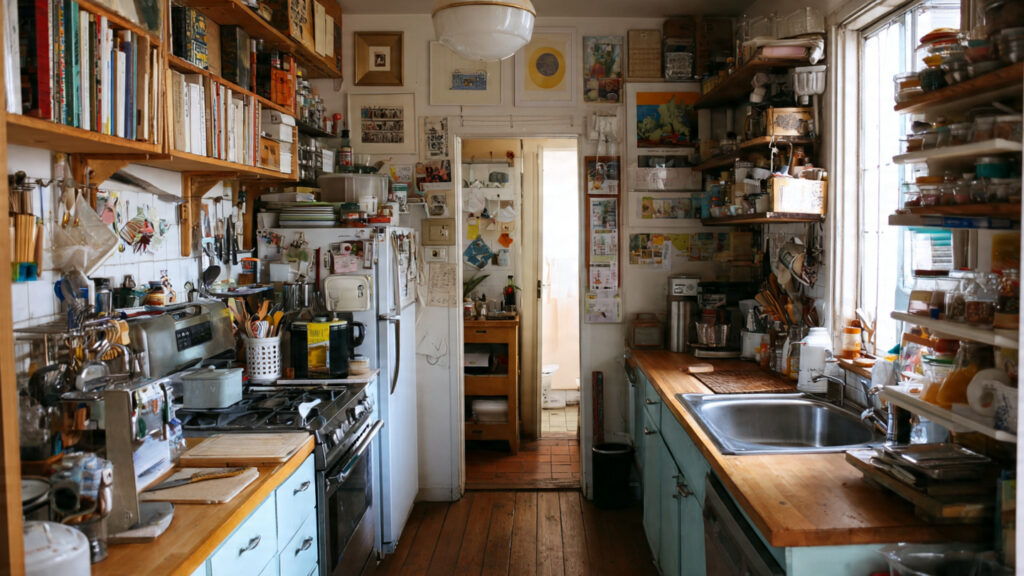
A tidy home isn’t just about aesthetics; it’s about mental clarity, emotional balance, and even overall wellbeing. Yet, achieving and maintaining effortless tidiness seems elusive for many. While decluttering tips and cleaning hacks are plentiful, there’s an underlying psychological framework that governs why some people naturally keep their spaces organized while others struggle. Understanding these principles can transform your approach to home organization from a chore into an almost instinctive habit.
Why Tidiness Matters: More Than Just Clean Floors
Before diving into the psychology behind organization, it’s important to recognize why tidiness affects us deeply:
- Cognitive Clarity
Clutter can overload the brain. Studies show that visual chaos reduces focus, memory retention, and problem-solving abilities. A tidy environment, on the other hand, allows the mind to think clearly and creatively. - Emotional Stability
Messy spaces often contribute to stress, anxiety, and even sleep disruption. Conversely, a well-ordered environment fosters calmness and emotional control, giving residents a sense of stability. - Behavior Reinforcement
A clean space encourages proactive behavior. People living in tidy environments are more likely to maintain healthy habits, such as meal prep, exercise, and time management.
Recognizing these benefits is the first step toward internalizing tidiness as a natural part of daily life, rather than as an imposed chore.
The Psychology of Effortless Tidiness
Several psychological principles explain why some people maintain tidy homes without constant effort. Understanding these concepts can help anyone cultivate similar habits.
1. Habit Formation: Small Steps Lead to Big Results
Effortless tidiness is largely a product of habit formation. When cleaning and organizing behaviors become automatic, they no longer require willpower. Key strategies include:
- Start Small: Tidy one drawer, one shelf, or one room at a time. Success builds momentum.
- Anchor Habits to Daily Routines: For example, make your bed immediately after waking or wash dishes right after meals.
- Consistency Over Intensity: A few minutes every day is more effective than a long cleaning session once a week.
Once habits are embedded in your daily routine, tidiness becomes automatic, almost effortless, reducing mental resistance and procrastination.
2. The Role of Environment Cues
Your surroundings subtly influence behavior. Psychologists call these environmental cues, and they can make tidiness easier—or harder—to maintain:
- Visible Reminders: Open shelving encourages regular tidying because messes are immediately visible.
- Accessibility: Keep storage spaces, bins, and organizational tools easy to reach. Out-of-sight storage often leads to “out-of-mind” clutter.
- Minimalism and Decluttering: Reducing the number of possessions simplifies maintenance and makes visual cues less overwhelming.
By intentionally designing spaces to promote organization, you can create an environment that encourages neat habits without constant thought.
3. Decision Fatigue and the “Clutter Trap”
The more decisions you face, the more likely you are to let clutter accumulate. Psychologists refer to this as decision fatigue:
- Every item requires a choice: keep, toss, donate, or store.
- Over time, this mental load causes avoidance, leaving spaces messy.
Solution: Implement rules for quick decisions, such as:
- One-in-one-out policy for possessions.
- Assigning designated homes for all items.
- Using bins, labels, or color-coding to streamline sorting.
Reducing decision fatigue turns tidying into a fast, almost reflexive activity.
4. Emotional Attachments and Decluttering
One of the most underestimated factors in home organization is the psychological weight of possessions. Emotional attachment often prevents people from parting with items, creating clutter. Understanding this can help:
- Identify Emotional Triggers: Do certain items evoke guilt, nostalgia, or obligation? Acknowledge these feelings but separate them from functional utility.
- Set Limits: Keep sentimental items in controlled amounts, like a memory box.
- Mindful Letting Go: Frame decluttering as creating space for wellbeing and calm, rather than as loss.
By addressing emotional blocks, tidiness becomes less stressful and more sustainable.
5. The Power of Visual Harmony
Humans are visually wired to respond to order and symmetry. Aesthetically pleasing arrangements create a sense of control and satisfaction, which reinforces tidy behavior:
- Organize by Color or Size: Shelves, closets, and storage boxes arranged visually create calmness.
- Consistent Storage Systems: Matching bins, labels, and furniture reduce chaos and mental clutter.
- Negative Space Matters: Leaving intentional gaps between objects reduces visual overstimulation and promotes a feeling of order.
This is why minimalist or Scandinavian-inspired designs often feel effortlessly tidy—they align with innate psychological preferences for balance and simplicity.
➡️ How to Grow Malabar Spinach from Cuttings for Fast, Easy Greens
➡️ How to Grow Super Delicious Cabbage at Home Without a Garden
➡️ How to Grow Bean Sprouts at Home in Plastic Bottles Easily (Step‑by‑Step Guide)
➡️ Why is Your Lemon Tree Blooming in the Heart of Winter?
➡️ Why Should Your Garden Have a Dedicated Pollinator Highway?
➡️ Why Do Your Fruit Trees Need a Winter Wash to Thrive in Spring?
➡️ How Can Rice Water Transform Your Fruits into Sweeter Delights?
➡️ Jumpstart Your Winter Garden: Seed Starting Under Lights
Creating Effortless Tidiness in Daily Life
Combining these psychological principles into daily routines can make tidiness second nature. Here’s a practical approach:
- Morning Reset: Spend 5–10 minutes making beds, clearing counters, and putting items back in their designated spots.
- Evening Wind Down: Tidy living areas, put away laundry, and clear kitchen surfaces before bed.
- Weekly Habits: Focus on one larger area each week, like a closet, pantry, or garage.
- Mindful Storage Solutions: Use bins, baskets, labels, and hooks to assign a “home” for everything.
- Digital Declutter: Apply the same principles to emails, digital files, and devices to reduce cognitive load.
By embedding these practices into your lifestyle, you create a self-sustaining cycle of cleanliness, where tidiness reinforces mental calm and vice versa.
The Mental Rewards of a Tidy Home
Effortless tidiness is not just about appearances; it produces measurable psychological benefits:
- Reduced Stress: A clean environment lowers cortisol levels, the body’s stress hormone.
- Enhanced Productivity: Fewer distractions make it easier to focus on work, hobbies, and personal goals.
- Improved Sleep: A tidy bedroom promotes relaxation and better sleep quality.
- Greater Emotional Resilience: A well-ordered home fosters a sense of control, reducing anxiety during chaotic times.
These benefits explain why people who maintain tidy homes often report feeling happier, calmer, and more organized in other areas of life.
Overcoming Common Tidying Obstacles
Even with knowledge of psychology, obstacles remain. Common challenges include:
- Busy Lifestyles: Break cleaning into micro-tasks and anchor them to existing routines.
- Shared Spaces: Communicate and assign responsibilities to ensure all household members participate.
- Motivation Slumps: Focus on the emotional payoff of calm, clarity, and beauty, not just the chore itself.
Understanding why these obstacles exist—often rooted in psychology—makes them easier to address effectively.
Final Thoughts: Tidiness as a Psychological Lifestyle
Effortless tidiness isn’t achieved through sheer willpower or constant cleaning. It emerges from understanding the mind, designing environments thoughtfully, forming consistent habits, and managing emotional attachments.
By integrating psychological principles into home organization, tidiness becomes more intuitive, less stressful, and deeply rewarding. It’s not just about clean floors or dust-free shelves—it’s about creating a space that nurtures your mental, emotional, and even physical wellbeing.
Next time you glance at a neat countertop or an organized closet, remember: behind every tidy home is a mind working in harmony with its environment. And with the right strategies, anyone can cultivate this effortless balance, turning their home into a sanctuary of clarity, calm, and satisfaction.
This article is structured with subheadings, actionable tips, and psychological insights to make it engaging, informative, and ready for blogs, websites, or social media posts.