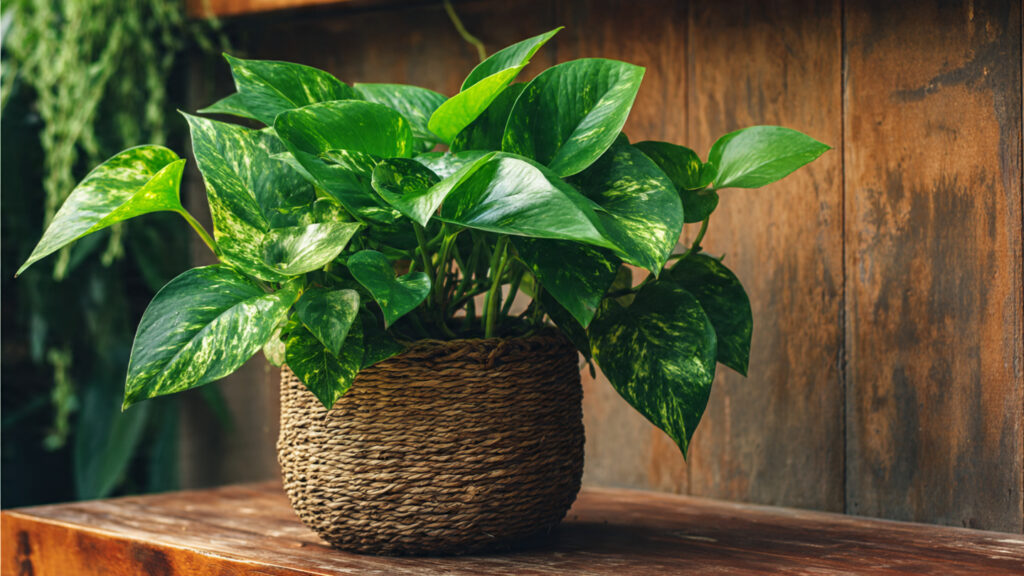
If you’re a plant enthusiast, you probably know that Pothos is one of the easiest houseplants to grow. Its trailing vines, heart-shaped leaves, and vibrant green hues make it a favorite for indoor spaces. But if your pothos leaves are looking dull, pale, or slow-growing, the culprit is often inadequate nutrition. Fertilizing pothos correctly is the key to achieving lush, glossy leaves all year round.
In this guide, we’ll cover everything you need to know about fertilizing pothos—from understanding its nutritional needs to choosing the right fertilizer, proper timing, and techniques for long-term health.
Understanding Pothos Nutrition
Like all plants, pothos requires essential nutrients to grow strong and vibrant. These nutrients are classified into macronutrients and micronutrients:
Macronutrients
- Nitrogen (N) – Promotes lush, green foliage and new growth.
- Phosphorus (P) – Supports root development and helps flowers and seeds (though pothos rarely blooms indoors).
- Potassium (K) – Strengthens overall plant health, improves drought resistance, and enhances leaf color.
Secondary Nutrients
- Calcium – Supports cell structure.
- Magnesium – Vital for chlorophyll production.
- Sulfur – Assists in protein synthesis and growth.
Micronutrients
- Iron, zinc, manganese, copper, molybdenum, and boron are needed in tiny amounts but are essential for vibrant leaves and overall plant health.
Understanding these nutrients helps you choose the right fertilizer and ensures your pothos thrives year-round.
Choosing the Right Fertilizer for Pothos
There are several fertilizer types suitable for pothos. Here’s a breakdown:
1. Liquid Fertilizers
Liquid fertilizers are popular for pothos because they are easy to apply and quickly absorbed. They allow precise control over nutrient delivery, which is perfect for maintaining consistent growth.
- Pros: Fast-acting, easy to adjust concentration, ideal for indoor plants.
- Cons: Must be applied regularly; over-fertilizing can burn roots.
2. Slow-Release Fertilizers
Slow-release fertilizers are granules that release nutrients gradually over time, usually 3–6 months.
- Pros: Convenient, reduces risk of over-fertilization, consistent nutrition.
- Cons: Can be messy; some nutrients may leach if overwatered.
3. Organic Fertilizers
Organic options like fish emulsion, compost tea, or seaweed extract provide nutrients naturally.
- Pros: Safer, environmentally friendly, improve soil and root health.
- Cons: Nutrient levels are less precise; may need more frequent applications.
4. Balanced vs. High-Nitrogen Fertilizers
For pothos, a balanced fertilizer (e.g., 10-10-10) works well for overall growth. During the growing season, you can switch to a high-nitrogen fertilizer (e.g., 20-10-10) to encourage lush, glossy foliage.
How Often to Fertilize Pothos
The frequency of fertilization depends on the season, plant size, and growth rate:
Spring and Summer (Active Growth)
- Fertilize every 4–6 weeks using a liquid or slow-release fertilizer.
- Pothos grows rapidly during these months, so regular feeding supports strong vines and vibrant leaves.
Fall and Winter (Dormant Period)
- Reduce fertilization to every 8–12 weeks or stop altogether if growth slows significantly.
- Over-fertilizing during dormancy can stress the plant and cause leaf burn.
Signs Your Pothos Needs Fertilizer
- Yellowing leaves despite proper watering.
- Slow or stunted growth.
- Pale or dull leaf color.
These indicators suggest your pothos isn’t getting enough nutrients and could benefit from a well-timed feeding.
Step-by-Step Guide to Fertilizing Pothos
Here’s the right way to fertilize your pothos for optimal results:
Step 1: Water Before Fertilizing
Always water your pothos first if the soil is dry. Fertilizing dry soil can burn the roots because concentrated fertilizer salts can harm them.
Step 2: Dilute Fertilizer Properly
For liquid fertilizers, dilute to half the recommended strength on the label for indoor plants. Pothos is sensitive to over-fertilization, and diluted solutions help prevent fertilizer burn.
Step 3: Apply Evenly
Pour the solution evenly around the base of the plant, avoiding direct contact with the leaves. If using slow-release fertilizer, sprinkle granules evenly on the soil surface.
➡️ How to Grow Malabar Spinach from Cuttings for Fast, Easy Greens
➡️ How to Grow Super Delicious Cabbage at Home Without a Garden
➡️ How to Grow Bean Sprouts at Home in Plastic Bottles Easily (Step‑by‑Step Guide)
➡️ Why is Your Lemon Tree Blooming in the Heart of Winter?
➡️ Why Should Your Garden Have a Dedicated Pollinator Highway?
➡️ Why Do Your Fruit Trees Need a Winter Wash to Thrive in Spring?
➡️ How Can Rice Water Transform Your Fruits into Sweeter Delights?
➡️ Jumpstart Your Winter Garden: Seed Starting Under Lights
Step 4: Monitor Response
After fertilizing, monitor your pothos for signs of improvement over the next few weeks. Leaves should appear greener, shinier, and new growth should emerge.
Step 5: Adjust as Needed
If your plant responds too quickly with rapid growth or shows yellowing at the leaf edges, reduce the fertilizer strength. Conversely, if growth remains slow, you may need a slightly stronger solution.
Fertilizing Pothos in Different Growing Mediums
Pothos can grow in soil, water, or hydroponic setups, and fertilization differs slightly for each:
Soil-Grown Pothos
- Use liquid or granular fertilizers according to the plant’s growth stage.
- Ensure good drainage to prevent root rot.
Water-Grown Pothos
- Add liquid houseplant fertilizer directly to the water.
- Refresh the solution every 2–4 weeks and rinse roots to prevent salt buildup.
Hydroponic Pothos
- Use a complete hydroponic nutrient solution with balanced N-P-K and trace minerals.
- Monitor pH (5.5–6.5) and nutrient levels regularly to maintain lush growth.
Common Mistakes to Avoid
Even experienced plant parents can make mistakes when fertilizing pothos:
- Over-Fertilizing – Causes brown leaf tips, burnt roots, and wilting.
- Under-Fertilizing – Leads to pale leaves, slow growth, and weak vines.
- Fertilizing Dry Soil – Can burn roots and damage the plant.
- Ignoring Seasonal Needs – Fertilizing during dormancy can harm the plant.
- Using Fertilizer with Harsh Chemicals – Can accumulate salts and affect leaf health.
By avoiding these pitfalls, your pothos will stay healthy and vibrant year-round.
Boosting Fertilizer Effectiveness
- Prune Regularly: Removing yellow or damaged leaves allows nutrients to focus on healthy growth.
- Ensure Proper Light: Fertilizer alone won’t help if your pothos is in low light; adequate indirect sunlight is crucial.
- Maintain Moisture Levels: Keep the soil slightly moist but not soggy; water helps transport nutrients to the roots.
- Rotate Fertilizers: Occasionally switch between liquid and organic fertilizers to provide a wider range of nutrients.
The Benefits of Proper Fertilization
When done correctly, fertilizing pothos provides:
- Lush, glossy leaves with deep green coloration.
- Faster growth and longer trailing vines.
- Stronger roots for better nutrient uptake and plant resilience.
- Healthier overall plant less prone to pests and disease.
A well-fed pothos is not only aesthetically pleasing but also more vigorous and easier to propagate.
Conclusion
Fertilizing pothos is not just about adding nutrients—it’s about understanding your plant’s needs, choosing the right fertilizer, and applying it in a way that encourages healthy, glossy growth all year round. By following the right techniques, paying attention to seasonal requirements, and avoiding common mistakes, you can enjoy a pothos that thrives indoors, whether draped over shelves, trailing from hanging baskets, or growing in water.
Remember, the key to success is balance: balanced nutrients, balanced watering, and balanced care. With the proper fertilization routine, your pothos will reward you with vibrant, shiny leaves and endless growth—making your indoor garden a green, inviting space year-round.