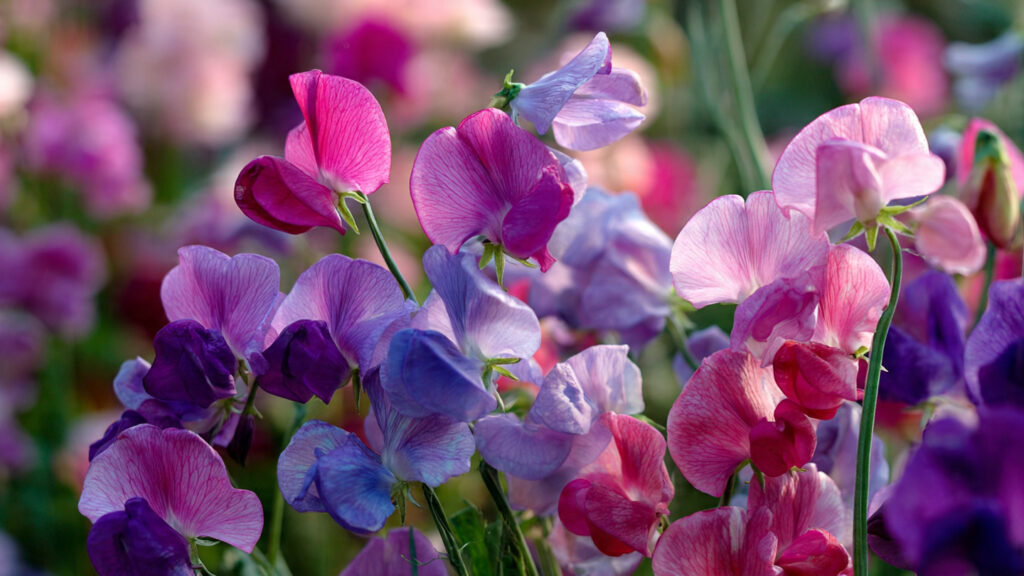
Sweet peas are one of the most enchanting flowers in any garden. Their delicate petals, intoxicating fragrance, and vibrant colors make them a favorite among gardeners and flower enthusiasts. But did you know that with the right care and techniques, sweet peas can grow astonishingly tall—sometimes reaching up to fifteen feet? Achieving such impressive growth may seem like a gardener’s dream, but it’s entirely possible if you understand the secrets behind nurturing these climbing beauties. In this article, we’ll uncover how to grow sweet peas that soar sky-high.
Understanding Sweet Peas
Before diving into the techniques for maximizing growth, it’s essential to understand what sweet peas are. Sweet peas, or Lathyrus odoratus, are climbing annual plants known for their colorful blossoms and enchanting fragrance. Native to the Mediterranean region, they thrive in cooler climates and require careful attention to soil, sunlight, and support structures. While most sweet peas grow between 3 to 6 feet, with the right methods, they can achieve heights of 10 to 15 feet, creating a spectacular vertical display in your garden.
Choosing the Right Variety
The first secret to growing exceptionally tall sweet peas is selecting the right variety. Not all sweet peas are created equal; some are naturally compact, while others are vigorous climbers. For towering sweet peas, consider varieties such as ‘Cupani’, ‘Old Spice’, ‘Speckled Queen’, or ‘Royal Family’. These heirloom and climbing types are known for their long tendrils and ability to climb fences, trellises, or poles with ease.
When buying seeds, always check the expected height on the packet. Varieties labeled as “tall” or “vigorous climbers” are your best bet for reaching the coveted fifteen-foot mark.
Preparing the Soil
Soil preparation is crucial for producing tall, healthy sweet peas. These plants thrive in rich, well-draining soil with plenty of organic matter. Here’s how to get your soil ready:
- Loosen the Soil: Sweet peas have long roots that need room to grow. Use a garden fork or tiller to loosen the soil to a depth of at least 12 inches.
- Add Organic Matter: Incorporate compost, well-rotted manure, or garden humus to enrich the soil. Sweet peas are heavy feeders, and nutrient-rich soil supports vigorous growth.
- Check the pH: Sweet peas prefer a slightly alkaline soil with a pH between 7.0 and 7.5. You can add a small amount of garden lime if your soil is too acidic.
Strategic Planting
Proper planting can make a dramatic difference in height and bloom quality. Follow these guidelines:
- Timing: Sweet peas prefer cool weather, so plant seeds in early spring or late winter depending on your climate. In areas with mild winters, sow seeds in autumn for early blooms.
- Soaking Seeds: To encourage faster germination, soak seeds overnight in water. This softens the tough outer shell and helps roots develop quickly.
- Spacing: Plant seeds about 2 to 3 inches apart. Crowding plants can stunt growth and reduce flowering.
- Support: Install tall trellises, poles, or netting at the time of planting. Sweet peas are natural climbers, and giving them a structure to cling to encourages vertical growth. For those aiming for 15 feet, consider bamboo poles, garden obelisks, or even trellises attached to fences.
Watering and Feeding
Tall, vigorous sweet peas need consistent moisture and nutrients to reach their full potential.
- Watering: Keep the soil evenly moist but not waterlogged. Water at the base of the plant to avoid wetting the foliage, which can encourage fungal diseases. During hot spells, increase watering to prevent stress.
- Feeding: Feed sweet peas with a high-potassium fertilizer every two to three weeks once they start climbing. Potassium encourages strong stems and abundant flowers. Avoid excess nitrogen, as it promotes leaf growth at the expense of blooms.
Pruning and Training
Pruning and training are essential techniques for achieving exceptional height:
- Pinching Tips: When seedlings are about 6 inches tall, pinch out the top growth to encourage lateral branching. This creates a bushier plant that can support more flowers as it climbs.
- Tying Stems: As sweet peas grow, gently tie stems to the support with soft garden twine. Avoid tight knots, which can damage the delicate stems.
- Regular Monitoring: Check your plants weekly to ensure they are climbing properly. Guide tendrils around poles or netting to maximize vertical growth.
Encouraging Continuous Blooms
Tall sweet peas are impressive, but you also want them to bloom profusely. Continuous flowering requires deadheading and proper care:
- Deadheading: Remove spent flowers regularly. This signals the plant to produce more blooms instead of setting seeds.
- Mulching: Apply a layer of mulch around the base to retain moisture, regulate soil temperature, and suppress weeds.
- Disease Prevention: Keep an eye out for powdery mildew and aphids. Treat early with organic fungicides or insecticidal soap to maintain plant health.
Ideal Conditions for Maximum Height
Sweet peas will grow taller and stronger under optimal conditions:
- Sunlight: Full sun is essential. Sweet peas need at least 6 to 8 hours of direct sunlight daily.
- Air Circulation: Good airflow prevents fungal infections and encourages robust growth. Avoid planting too close to walls or dense shrubs.
- Temperature: Sweet peas prefer cooler temperatures. Heat can reduce flowering and slow growth, so consider planting in a location with morning sun and afternoon shade in hotter climates.
Harvesting Tips
If your goal is a breathtaking floral display, harvesting sweet peas for bouquets can actually encourage more growth:
- Cut flowers regularly, taking care to leave the lower leaves and shoots intact.
- Avoid cutting more than one-third of the plant at a time to prevent stress.
With careful attention to variety, soil, support, and maintenance, sweet peas can achieve spectacular heights while producing fragrant, colorful blooms that last throughout the season.
Final Thoughts
Growing sweet peas that reach fifteen feet high is not only possible but deeply rewarding. It requires the right choice of seeds, meticulous soil preparation, strategic planting, and diligent care. By providing support, proper nutrition, and regular maintenance, gardeners can create vertical wonders that transform fences, trellises, and balconies into walls of floral beauty.
Imagine walking past a trellis covered in sweet peas that soar above your head, their scent filling the air. With patience, care, and a little knowledge, this dream can become your garden reality. The secret lies in understanding your plants’ needs and nurturing them with love and attention—then watching them climb gracefully toward the sky.
Whether you’re a seasoned gardener or a passionate beginner, these tips will help you cultivate sweet peas that not only reach incredible heights but also reward you with blooms that delight the senses. So, grab your seeds, prepare your trellis, and get ready to witness the magic of sweet peas climbing to fifteen feet and beyond.
➡️ How to Grow Malabar Spinach from Cuttings for Fast, Easy Greens
➡️ How to Grow Super Delicious Cabbage at Home Without a Garden
➡️ How to Grow Bean Sprouts at Home in Plastic Bottles Easily (Step‑by‑Step Guide)
➡️ Why is Your Lemon Tree Blooming in the Heart of Winter?
➡️ Why Should Your Garden Have a Dedicated Pollinator Highway?
➡️ Why Do Your Fruit Trees Need a Winter Wash to Thrive in Spring?
➡️ How Can Rice Water Transform Your Fruits into Sweeter Delights?
➡️ Jumpstart Your Winter Garden: Seed Starting Under Lights