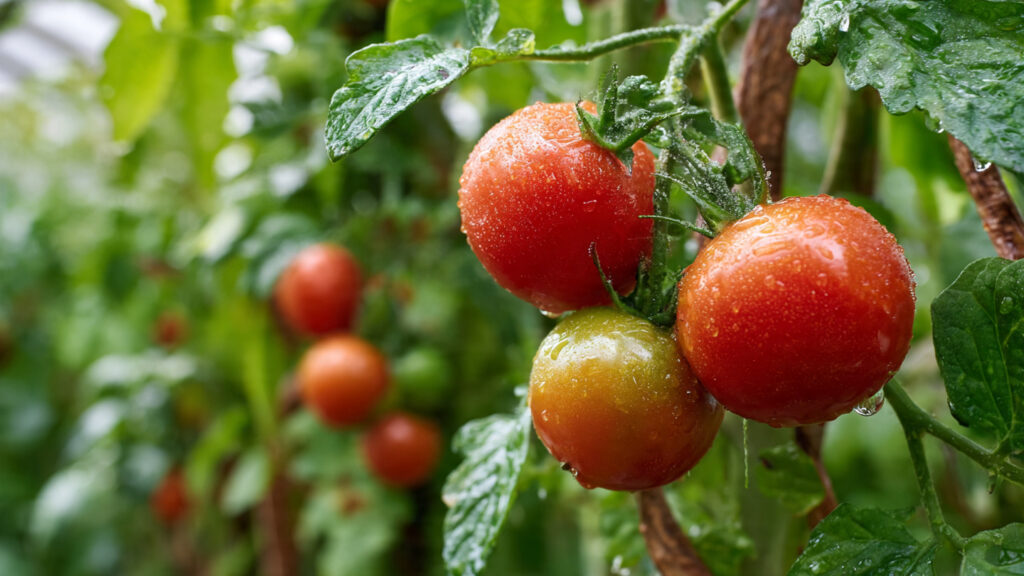
Tomatoes are a staple in gardens around the world, valued for their flavor, versatility, and nutritional content. Gardeners are always on the lookout for natural, affordable ways to boost tomato growth and fruit yield. One method that has gained attention in recent years is using banana peels in tomato cultivation. While many gardeners know that banana peels can act as a fertilizer, there’s a “secret” approach that maximizes their benefits in ways few have explored.
In this article, we’ll dive deep into why banana peels are beneficial for tomatoes, how to use them effectively, and the best techniques to ensure your tomato plants thrive from seedlings to harvest.
Why Banana Peels Are Good for Tomatoes
Banana peels are rich in essential nutrients that tomatoes need to grow strong and productive:
- Potassium: Vital for flower and fruit development, potassium improves the size, color, and flavor of tomatoes.
- Phosphorus: Supports root growth and helps plants establish a strong foundation.
- Calcium: Prevents blossom-end rot, a common issue in tomato cultivation.
- Magnesium and trace minerals: Support photosynthesis and overall plant health.
Unlike synthetic fertilizers, banana peels release nutrients slowly, providing a natural, sustainable source of nourishment. Additionally, they improve soil organic matter, which enhances moisture retention and supports beneficial microbial activity.
The Secret: Not Just Burying Banana Peels
Most gardeners simply bury banana peels near the base of their tomato plants. While this works to some extent, the secret lies in preparing and processing the peels to unlock their full nutrient potential.
Step 1: Chop or Blend the Peels
- Cut the banana peels into small pieces or blend them into a smooth paste.
- This increases the surface area and accelerates decomposition, allowing nutrients to be released more efficiently.
Step 2: Fermentation for Maximum Benefit
- Place the chopped peels in a jar and cover them with water.
- Allow the mixture to ferment for 3–5 days in a warm, shaded spot.
- Fermentation breaks down the peels further, converting nutrients into a form that is readily absorbed by tomato roots.
This simple fermentation step is what many gardeners overlook, yet it significantly boosts the effectiveness of banana peel fertilization.
Preparing the Tomato Plants
Before applying banana peels, it’s important to ensure your tomato plants are healthy and ready to absorb nutrients:
- Choose a sunny location with at least 6–8 hours of direct sunlight.
- Ensure the soil is rich, well-draining, and slightly acidic to neutral (pH 6.0–7.0).
- Plant tomatoes in holes or raised beds spaced 18–24 inches apart to allow airflow and reduce disease risk.
Healthy plants will respond much better to banana peel treatments.
Methods of Applying Banana Peels
There are several ways to use banana peels with tomato plants, each with unique benefits:
1. Direct Application
- Bury chopped banana peels about 2–3 inches away from the plant base.
- Cover lightly with soil to prevent pests from being attracted.
- Water thoroughly to help nutrients seep into the soil.
Tip: Rotate placement around the base as the plant grows to feed all roots evenly.
2. Banana Peel Tea
Banana peel tea is a liquid fertilizer made from fermented or fresh peels.
How to make it:
- Place 2–3 chopped banana peels in a blender with 2 cups of water.
- Blend until smooth.
- Dilute the mixture with an additional 2–3 cups of water.
- Pour around the base of each tomato plant once every 2–3 weeks.
This method allows roots to absorb nutrients quickly and evenly, supporting rapid growth and fruiting.
3. Compost Enrichment
- Add banana peels to your compost pile instead of applying them directly.
- The peels will decompose along with other organic matter, enriching the compost with potassium and calcium.
- Use the compost around your tomatoes for a slow-release nutrient boost.
Timing Is Key
Banana peel fertilization is most effective when timed according to the plant’s growth stage:
- Seedlings: Avoid applying directly to very young seedlings, as high potassium levels can be too concentrated. Start applying once seedlings have 2–3 sets of true leaves.
- Vegetative Growth: During rapid leaf and stem development, banana peels provide phosphorus and potassium to strengthen roots and foliage.
- Flowering and Fruiting: Apply banana peel tea or chopped peels near the base to encourage larger flowers and more abundant, sweeter fruits.
Strategic timing ensures that your plants receive the right nutrients when they need them most.
➡️ How to Grow Malabar Spinach from Cuttings for Fast, Easy Greens
➡️ How to Grow Super Delicious Cabbage at Home Without a Garden
➡️ How to Grow Bean Sprouts at Home in Plastic Bottles Easily (Step‑by‑Step Guide)
➡️ Why is Your Lemon Tree Blooming in the Heart of Winter?
➡️ Why Should Your Garden Have a Dedicated Pollinator Highway?
➡️ Why Do Your Fruit Trees Need a Winter Wash to Thrive in Spring?
➡️ How Can Rice Water Transform Your Fruits into Sweeter Delights?
➡️ Jumpstart Your Winter Garden: Seed Starting Under Lights
Enhancing Banana Peel Benefits
To maximize the secret power of banana peels, combine them with other natural methods:
1. Eggshells for Calcium
- Crush eggshells and mix them with banana peel fertilizer.
- This boosts calcium levels, preventing blossom-end rot and strengthening fruit walls.
2. Coffee Grounds for Nitrogen
- Add coffee grounds to the banana peel tea or compost.
- Nitrogen supports healthy green growth and increases leaf density, which enhances photosynthesis.
3. Companion Plants
- Plant basil, marigolds, or nasturtiums near tomatoes.
- These companions help repel pests and improve pollination, complementing the nutritional benefits of banana peels.
Common Mistakes to Avoid
Even with banana peels, improper use can hinder tomato growth. Avoid these mistakes:
- Burying Large Peels Directly: This can attract fruit flies, ants, or rodents. Chop or blend them first.
- Over-Fertilization: Using too many banana peels can lead to excessive leaf growth and reduced fruiting. Balance with compost or diluted banana peel tea.
- Ignoring Soil Quality: Banana peels are supplements, not replacements for fertile, well-draining soil.
- Inconsistent Watering: Nutrients from banana peels are best absorbed in consistently moist soil, not dry or waterlogged conditions.
Monitoring Plant Health
Regularly observe your tomato plants for signs of nutrient deficiency or excess:
- Yellowing leaves: May indicate overwatering or nitrogen imbalance
- Leaf curl or tip burn: Can result from excessive potassium or salt buildup
- Slow flowering: May signal insufficient phosphorus
Adjust banana peel application accordingly. For example, switch to diluted banana peel tea if leaf tip burn occurs.
Harvesting Healthy Tomatoes
When applied correctly, banana peels can produce large, flavorful, and vibrant tomatoes.
- Pick fruits when they are fully colored and slightly firm.
- Harvest regularly to encourage continuous production.
- Proper fertilization throughout the season ensures consistently high-quality fruits.
Tomatoes grown with banana peels often exhibit improved sweetness, juiciness, and resistance to cracking.
Environmental and Sustainable Benefits
Using banana peels in tomato gardening isn’t just effective—it’s eco-friendly:
- Reduces kitchen waste by recycling fruit peels.
- Minimizes reliance on chemical fertilizers.
- Promotes healthy soil microbiomes.
- Supports sustainable backyard gardening practices.
This makes it an ideal approach for gardeners seeking both productivity and environmental responsibility.
Final Thoughts
Banana peels are more than just a household waste product—they are a natural, nutrient-rich fertilizer that can transform your tomato garden. By chopping, fermenting, and applying them strategically, you unlock a hidden potential that many gardeners overlook. Combined with proper watering, soil preparation, and timing, banana peels can help you grow healthy, vigorous tomato plants with high yields and exceptional fruit quality.
The “secret” lies not in the banana peel itself, but in how you prepare and apply it to match the growth stage of your tomato plants. With patience, attention to detail, and this natural technique, you can enjoy a bountiful harvest of juicy, flavorful tomatoes while embracing sustainable and eco-friendly gardening practices.
Your backyard garden may never be the same once you discover the hidden power of banana peels for tomato cultivation.