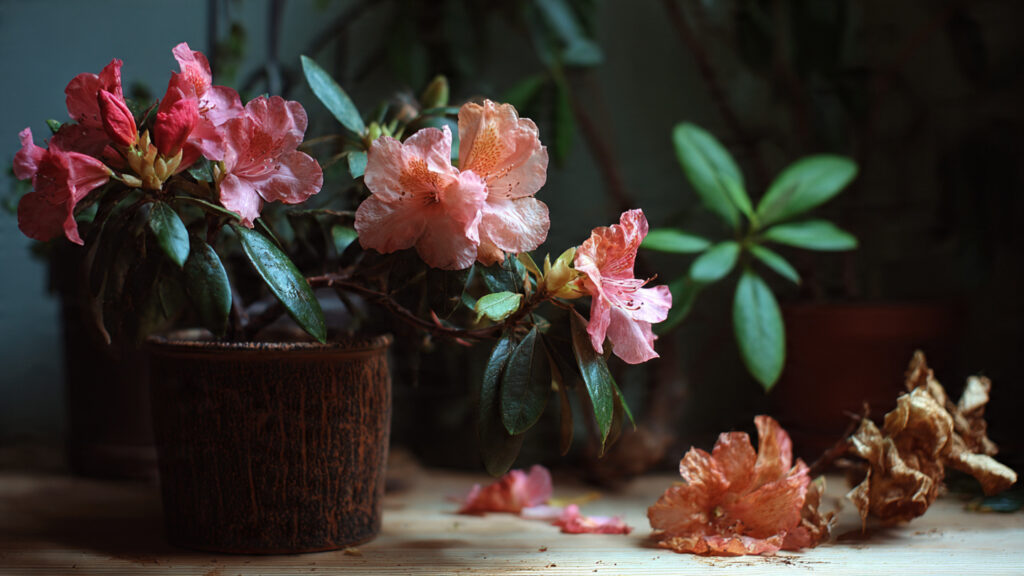
Propagating plants from cuttings is one of the most rewarding aspects of gardening. There’s a sense of accomplishment in nurturing a tiny stem or leaf until it grows into a full, vibrant plant. However, many gardeners encounter a frustrating reality: while the cutting may root successfully, it often fails to bloom. Understanding why this happens is key to improving your propagation success and ensuring your plants thrive.
Here’s an in-depth look at the surprising reasons some cuttings fail to bloom and what you can do to encourage healthy flowering.
1. Immature Cuttings
One of the most common reasons cuttings fail to bloom is that they are taken from immature parts of the plant. Young stems and shoots may root easily but often lack the developmental maturity to produce flowers.
- Signs of immaturity: Thin, soft stems or small leaves.
- Solution: Take cuttings from semi-mature or mature shoots, typically those that are firm but not woody. This ensures the cutting has the energy and hormonal signals needed to bloom later.
Tip: Observe the parent plant and avoid taking cuttings from very new growth. Wait until the stem has developed a few sets of leaves and feels sturdy.
2. Wrong Type of Cutting
Not all cuttings are created equal. Different plants respond to different types of cuttings—softwood, semi-hardwood, hardwood, or leaf cuttings. Using the wrong type for the species or season can lead to failure to bloom.
- Softwood cuttings: Best for fast-growing plants like hibiscus or fuchsia; root easily but may take longer to bloom.
- Semi-hardwood cuttings: Ideal for flowering shrubs like gardenias and camellias; balance between rootability and flower potential.
- Hardwood cuttings: Work well for deciduous trees and shrubs but require more time to establish before blooming.
Tip: Research the species-specific cutting type for flowering success. Using the right cutting type increases the chances of both rooting and eventual flowering.
3. Insufficient Root Development
A cutting may appear healthy above the soil, but inadequate root development can prevent flowering. Flowers require significant energy, which comes from a well-established root system.
- Symptoms: Healthy foliage but no buds forming, or the plant seems weak despite watering.
- Solution: Allow cuttings to develop a strong root system before expecting blooms. This may take several months, depending on the species.
Tip: Check root development by gently lifting the cutting. If roots are thin or sparse, delay fertilization and flowering expectations until the root system strengthens.
4. Nutrient Imbalance
Many gardeners unintentionally hinder flowering by over-fertilizing cuttings with nitrogen-rich fertilizers. Nitrogen promotes leafy growth but can suppress flower production. Conversely, a lack of essential nutrients can also prevent blooming.
- Symptoms of imbalance: Excessive leaf growth without flower buds.
- Solution: Use a balanced fertilizer or one with higher phosphorus content, which encourages flowering.
Tip: For established cuttings, switch to bloom-boosting fertilizers when roots are well-developed, usually after a few months of growth.
5. Incorrect Light Conditions
Light is a critical factor for flowering. Even if a cutting roots well, inadequate light can prevent it from producing flowers.
- Too little light: Leads to elongated, weak stems and delayed or no blooming.
- Too much direct sunlight: Can scorch young leaves or dry out roots.
Tip: Most flowering plants need bright, indirect light during establishment. Gradually acclimate rooted cuttings to direct sunlight if the species requires it for blooming.
6. Improper Watering
Watering practices significantly affect both root health and flowering potential. Overwatering or underwatering can stress a cutting and delay blooms.
- Overwatering: Causes root rot, reduces oxygen to roots, and prevents flowering.
- Underwatering: Stresses the plant, slows growth, and delays flower formation.
Solution: Keep the soil consistently moist but well-drained. Monitor the cutting daily, especially in warmer conditions.
Tip: Use a humidity dome or plastic cover for softwood cuttings to maintain moisture while avoiding waterlogging.
➡️ How to Grow Malabar Spinach from Cuttings for Fast, Easy Greens
➡️ How to Grow Super Delicious Cabbage at Home Without a Garden
➡️ How to Grow Bean Sprouts at Home in Plastic Bottles Easily (Step‑by‑Step Guide)
➡️ Why is Your Lemon Tree Blooming in the Heart of Winter?
➡️ Why Should Your Garden Have a Dedicated Pollinator Highway?
➡️ Why Do Your Fruit Trees Need a Winter Wash to Thrive in Spring?
➡️ How Can Rice Water Transform Your Fruits into Sweeter Delights?
➡️ Jumpstart Your Winter Garden: Seed Starting Under Lights
7. Pruning Mistakes
Pruning can either encourage or prevent blooming, depending on timing and technique. Improper pruning of cuttings can remove potential flower buds before they even have a chance to develop.
- Over-pruning: Removing too many leaves or stem tips can reduce energy reserves needed for flowering.
- Incorrect timing: Some plants form buds on old growth. Pruning too early can eliminate next season’s flowers.
Tip: Learn the flowering habits of your plant. For many shrubs, minimal pruning during the first year allows the cutting to establish energy for blooms.
8. Temperature Stress
Cuttings are sensitive to temperature extremes. Cold drafts, sudden heat, or fluctuating temperatures can prevent flower formation even after successful rooting.
- Symptoms: Stunted growth, drooping leaves, and absence of buds.
- Solution: Maintain stable temperatures appropriate for the plant species. Protect cuttings from frost and excessive heat.
Tip: Indoor cuttings may need supplemental warmth during winter, while tropical cuttings require shaded areas in summer to avoid stress.
9. Plant Hormone Imbalance
Flowering is regulated by plant hormones like auxins, cytokinins, and gibberellins. Cuttings may fail to bloom if these hormones are imbalanced, often due to stress, improper cutting technique, or environmental factors.
- Symptom: Healthy foliage with no bud formation.
- Solution: Using rooting hormones carefully at the cutting stage can support root establishment and eventually flowering. Avoid overuse, which can disrupt natural hormonal signals.
Tip: For species prone to delayed flowering, consider foliar sprays or bloom stimulators after the cutting is established.
10. Patience is Key
Even when all conditions are ideal, some cuttings simply take time to bloom. Flowering often occurs only after the cutting has grown into a well-established plant with a strong root system and adequate energy reserves.
- Tip: Don’t rush bloom expectations. Focus on healthy growth and care for the first year, then watch for flower buds in the following season.
Common Solutions to Encourage Blooming
- Provide optimal light: Adjust indoor or outdoor placement to ensure adequate exposure for flowering.
- Use bloom-friendly fertilizers: Incorporate phosphorus-rich fertilizers once roots are established.
- Maintain soil health: Ensure well-draining, nutrient-rich soil for energy support.
- Monitor watering carefully: Keep soil evenly moist without overwatering.
- Allow proper maturation: Take cuttings from mature parts of the plant and give time for roots and shoots to establish.
- Prune wisely: Avoid removing flower-producing stems or buds during early growth.
- Protect from stress: Avoid temperature extremes, drafts, or sudden environmental changes.
Conclusion
There are many reasons why some cuttings fail to bloom, from using immature stems and improper cutting types to nutrient imbalances, incorrect light, and environmental stress. Understanding these factors can help gardeners create optimal conditions for both root development and flowering.
The key to success lies in patience, careful observation, and proper care. By selecting mature cuttings, providing the right light, nutrients, and water, and avoiding stress factors, you can significantly increase the chances that your cuttings will not only root successfully but also bloom beautifully.
Ultimately, propagating cuttings is as much about nurturing potential as it is about immediate results. By addressing the hidden reasons behind non-blooming cuttings, gardeners can enjoy the full reward of vibrant, flowering plants grown from their own propagation efforts.