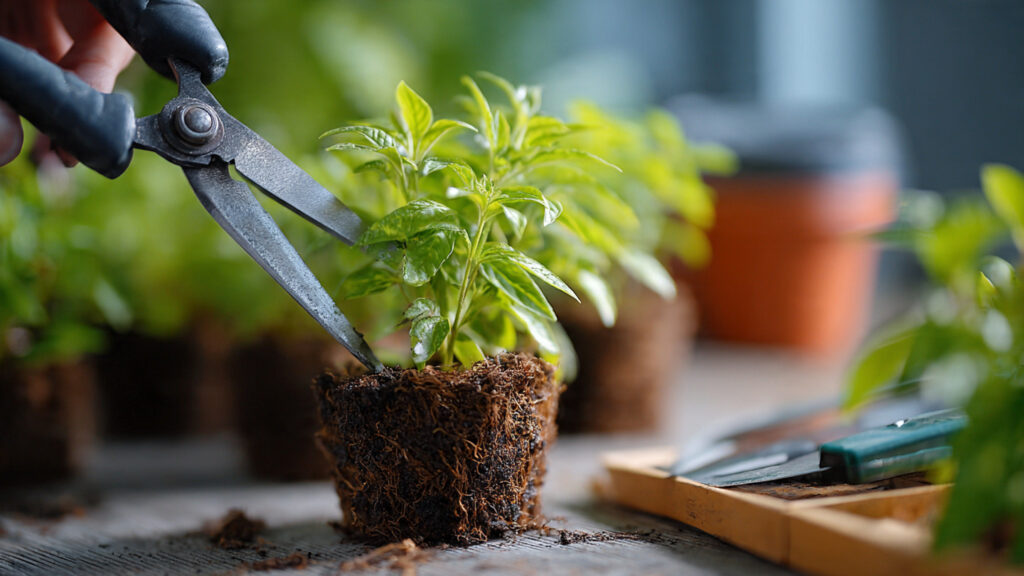
Propagating plants from cuttings is one of the most rewarding techniques for gardeners, allowing them to multiply favorite plants, save money, and expand their garden effortlessly. While the process itself—cutting a healthy stem, rooting it in soil or water, and nurturing it until it grows—may seem straightforward, timing is often an overlooked factor that can dramatically affect success rates. Surprisingly, the time of month when you take cuttings can influence root development, survival, and overall growth. This guide explores the science, best practices, and expert tips for choosing the ideal time of month to take plant cuttings for maximum success.
Why Timing Matters in Plant Propagation
Plant cuttings are essentially portions of a plant’s stem, leaf, or root that are encouraged to develop new roots and grow into independent plants. Successful propagation depends on several factors, including:
- Plant type and growth stage
- Seasonal conditions
- Environmental factors like light, temperature, and humidity
- Timing within the lunar or monthly cycle
The timing of the month affects plant hormones, moisture content, and energy distribution, all of which influence rooting success. Understanding these factors helps gardeners optimize their propagation efforts.
The Role of Plant Hormones
Plants produce hormones called auxins, cytokinins, and gibberellins, which regulate growth, root formation, and cellular development:
- Auxins: Promote root initiation at the base of cuttings.
- Cytokinins: Stimulate cell division and shoot development.
- Gibberellins: Encourage stem elongation and overall growth.
Hormone levels fluctuate naturally during different growth phases and times of the month. By taking cuttings when hormone levels are optimal, gardeners can significantly increase the likelihood of successful rooting.
Using the Lunar Cycle to Guide Cuttings
For centuries, gardeners have observed that the moon influences plant growth, a concept known as lunar gardening. The moon’s phases affect sap flow, moisture distribution, and energy within plants:
1. New Moon to First Quarter (Waxing Moon)
- Sap flow is moving upward, concentrating energy in the tips of branches and leaves.
- Ideal for taking cuttings that require rapid root development, such as softwood or herbaceous cuttings.
- Plants taken during this period tend to develop roots faster and establish more easily.
2. Full Moon
- Energy is distributed throughout the plant, and sap flow is strongest.
- Rooting success is high, but some gardeners avoid cuttings during this phase to prevent excessive sap loss or stress.
- Best for semi-hardwood cuttings that need balanced energy for both root and shoot development.
3. Last Quarter (Waning Moon)
- Energy moves downward toward roots.
- Ideal for root-related tasks, such as dividing perennials, transplanting, or taking root cuttings.
- Leafy cuttings may struggle during this phase, as growth is concentrated below ground.
By aligning propagation with the moon cycle, gardeners can harness natural energy flows to improve cutting success.
Choosing the Best Time Within the Month
Beyond the lunar cycle, other factors determine the best time to take cuttings:
1. Plant Growth Stage
- Softwood Cuttings: Taken from young, flexible shoots during early spring or the start of the growing season. High sap content increases rooting potential.
- Semi-Hardwood Cuttings: Taken from partially mature stems mid-season. These cuttings are more resilient and root steadily.
- Hardwood Cuttings: Taken from mature, woody stems in late autumn or winter for deciduous plants. These cuttings are slower to root but produce strong plants.
Choosing cuttings at the right growth stage ensures that plants have enough stored energy to develop roots successfully.
2. Weather and Temperature
- Mild, warm weather is preferable, as cold slows root development and increases the risk of fungal infections.
- Avoid extreme heat, which can cause cuttings to dry out before establishing roots.
- Indoor propagation can provide consistent conditions regardless of outdoor weather.
3. Moisture and Soil Conditions
- Cuttings taken when plants are well-watered but not waterlogged root more effectively.
- Moist soil and high humidity prevent wilting and support healthy root growth.
Step-by-Step Guide for Timing Your Cuttings
- Identify the Ideal Plant Growth Stage
- Determine whether softwood, semi-hardwood, or hardwood cuttings are appropriate for the season.
- Check the Moon Phase
- Use a lunar calendar to plan propagation during waxing or full moon phases for above-ground cuttings.
- For root cuttings, consider the waning moon phase.
- Select Healthy Parent Plants
- Choose disease-free, vigorous plants for the best results.
- Avoid stressed or damaged stems, which may struggle to root.
- Prepare Cutting Tools and Medium
- Sterilize scissors, knives, or shears to prevent infection.
- Use a well-draining potting mix or water container for root development.
- Take Cuttings in the Morning
- Early morning cuttings retain moisture and benefit from high sap flow.
- Avoid midday, when heat and sunlight can stress the cutting.
- Maintain Optimal Conditions
- Keep cuttings in humid, shaded areas until roots form.
- Mist lightly and monitor soil moisture consistently.
Following these steps ensures that timing aligns with both plant physiology and environmental conditions.
Types of Cuttings and Timing Recommendations
Different plants respond better to specific timing strategies:
- Herbs (Basil, Mint, Rosemary): Take softwood cuttings during waxing moon for rapid rooting.
- Shrubs (Hydrangea, Hibiscus): Semi-hardwood cuttings mid-season work best, especially around full moon for balanced energy.
- Woody Perennials (Roses, Grapevines): Hardwood cuttings during late autumn or early winter, preferably in the waning moon phase, produce strong roots.
- Indoor Plants (Pothos, Spider Plant, Philodendron): Take cuttings year-round indoors, but use the waxing moon phase for optimal root initiation.
Understanding the plant-specific timing increases your chances of propagation success.
Additional Tips for Maximizing Cutting Success
- Use Rooting Hormones
- Applying natural or synthetic auxins to the base of cuttings stimulates root development.
- Maintain Humidity
- Cover cuttings with plastic bags or mini-greenhouses to reduce water loss.
- Avoid Overcrowding
- Space cuttings adequately to prevent fungal growth and ensure sufficient airflow.
- Label and Track
- Keep track of cuttings with dates and moon phase information to refine future propagation efforts.
- Patience is Key
- Rooting times vary from days to weeks depending on the plant species and cutting type.
Common Mistakes to Avoid
- Ignoring Lunar Timing: Taking cuttings without considering plant energy cycles may reduce success rates.
- Using Weak or Diseased Plants: Only healthy stems produce vigorous roots.
- Overwatering or Underwatering: Both extremes stress cuttings and hinder root development.
- Excess Sunlight: Direct sun can dehydrate cuttings and prevent rooting.
Avoiding these mistakes ensures higher success and healthier propagated plants.
Conclusion
The success of plant propagation from cuttings is not only determined by technique but also by timing. By understanding plant hormones, growth stages, and the lunar cycle, gardeners can select the ideal time of month for taking cuttings and dramatically increase success rates. Waxing moon phases are generally best for softwood and semi-hardwood cuttings, while waning moons benefit root cuttings and hardwood divisions.
In addition, considering environmental factors such as light, temperature, soil moisture, and plant health ensures that cuttings have the best possible start. With proper planning, care, and patience, you can multiply your favorite plants efficiently, expand your garden, and enjoy the satisfaction of nurturing new life from cuttings.
➡️ How to Grow Malabar Spinach from Cuttings for Fast, Easy Greens
➡️ How to Grow Super Delicious Cabbage at Home Without a Garden
➡️ How to Grow Bean Sprouts at Home in Plastic Bottles Easily (Step‑by‑Step Guide)
➡️ Why is Your Lemon Tree Blooming in the Heart of Winter?
➡️ Why Should Your Garden Have a Dedicated Pollinator Highway?
➡️ Why Do Your Fruit Trees Need a Winter Wash to Thrive in Spring?
➡️ How Can Rice Water Transform Your Fruits into Sweeter Delights?
➡️ Jumpstart Your Winter Garden: Seed Starting Under Lights
By following this ultimate guide, gardeners—from beginners to seasoned plant enthusiasts—can master the art of timing in propagation, turning every cutting into a thriving, healthy new plant. Harness the power of timing, plant physiology, and lunar cycles, and your garden will flourish more abundantly than ever.