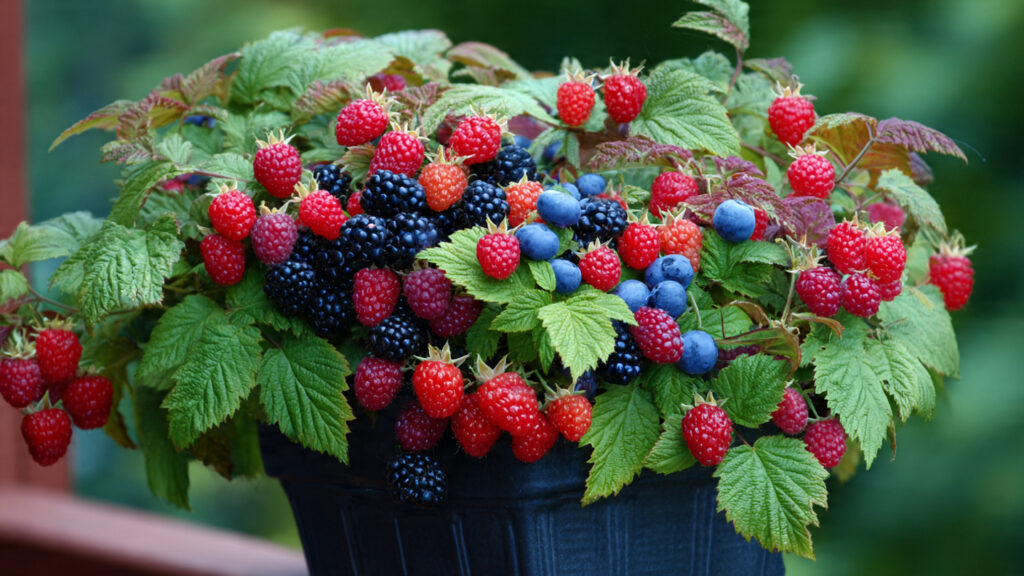
Imagine stepping onto your balcony or into your small backyard and picking a handful of fresh, sun-ripened berries—sweet strawberries, plump blueberries, juicy raspberries—all grown in containers. A mixed berry container garden is not only possible, it’s surprisingly easy and incredibly rewarding.
Whether you have a compact balcony, a sunny terrace, or just a small patio, growing berries in pots allows you to maximize space while enjoying fresh harvests throughout the season. This guide will walk you through everything you need to know to create a thriving, colorful, and productive mixed berry container garden.
Why Choose Container Berry Gardening?
Growing berries in containers offers several advantages:
- Perfect for small spaces
- Better control over soil conditions
- Easier pest management
- Mobility to chase sunlight
- Reduced weed competition
For gardeners in urban environments or areas with poor soil, containers provide the ideal solution.
Step 1: Choosing the Right Berry Varieties
Not all berries thrive in containers, so selecting compact or dwarf varieties is essential.
Strawberries
Strawberries are the easiest and most rewarding container berries. Varieties like everbearing and day-neutral types produce fruit multiple times throughout the season.
They grow well in:
- Hanging baskets
- Shallow pots
- Vertical towers
Strawberries provide quick results and are ideal for beginners.
Blueberries
Blueberries require acidic soil, which makes containers perfect since you can control pH easily. Compact varieties like ‘Top Hat’ or ‘Sunshine Blue’ are excellent choices.
Key requirement:
- Soil pH between 4.5 and 5.5
Blueberries are long-term investments and can produce for many years with proper care.
Raspberries
Look for dwarf or patio varieties of raspberries. These grow upright and need minimal support.
Raspberries require:
- Deep containers
- Strong sunlight
- Regular feeding
They add height and structure to your container garden.
Blackberries
Thornless dwarf varieties are best for containers. They require sturdy pots and possibly a small trellis.
➡️ How to Grow Malabar Spinach from Cuttings for Fast, Easy Greens
➡️ How to Grow Super Delicious Cabbage at Home Without a Garden
➡️ How to Grow Bean Sprouts at Home in Plastic Bottles Easily (Step‑by‑Step Guide)
➡️ Why is Your Lemon Tree Blooming in the Heart of Winter?
➡️ Why Should Your Garden Have a Dedicated Pollinator Highway?
➡️ Why Do Your Fruit Trees Need a Winter Wash to Thrive in Spring?
➡️ How Can Rice Water Transform Your Fruits into Sweeter Delights?
➡️ Jumpstart Your Winter Garden: Seed Starting Under Lights
Blackberries produce heavily and are visually stunning when fruiting.
Step 2: Selecting the Right Containers
Container size matters significantly for berry success.
General guidelines:
- Strawberries: 6–8 inches deep
- Blueberries: Minimum 12–18 inches deep and wide
- Raspberries/Blackberries: At least 18–24 inches deep
Choose containers with:
- Proper drainage holes
- Durable material (terracotta, plastic, fabric grow bags)
- Light colors in hot climates to prevent overheating
Fabric grow bags are especially useful for root aeration and drainage.
Step 3: Creating the Perfect Soil Mix
Healthy soil is the foundation of a vibrant berry garden.
For most berries (except blueberries), use:
- High-quality potting mix
- Compost (20–30%)
- Perlite or sand for drainage
For blueberries:
- Acidic potting mix
- Peat moss or coco coir
- Pine bark
Avoid garden soil in containers—it compacts easily and restricts root growth.
Step 4: Positioning for Maximum Sunlight
Berries need sunlight to produce sweet fruit.
Most berries require:
- 6–8 hours of direct sunlight daily
If your space receives partial sun, strawberries are the most adaptable option.
Containers allow flexibility—you can move them to follow the sun throughout the day.
Step 5: Watering Wisely
Container plants dry out faster than ground-planted ones. Consistent watering is critical.
Guidelines:
- Keep soil evenly moist
- Avoid waterlogging
- Water deeply until it drains from the bottom
During hot weather, daily watering may be necessary.
Mulching with straw or wood chips helps retain moisture and regulate soil temperature.
Step 6: Feeding Your Berry Garden
Berries are moderate to heavy feeders.
Use:
- Balanced liquid fertilizer every 2–4 weeks
- Organic compost tea
- Specialized berry fertilizer for blueberries
Avoid overfeeding nitrogen, which encourages leaves instead of fruit.
Step 7: Companion Planting in Containers
You can enhance your berry garden by adding beneficial companion plants.
Good companions include:
- Thyme
- Mint (in separate containers to prevent spreading)
- Marigolds
- Nasturtiums
These plants help deter pests and attract pollinators.
Step 8: Supporting and Pruning
Raspberries and blackberries may require light support.
Use:
- Small trellises
- Bamboo stakes
- Decorative garden supports
Pruning keeps plants productive:
- Remove dead or weak canes
- Trim runners from strawberries
- Cut back old raspberry canes after fruiting
Proper pruning improves air circulation and fruit production.
Step 9: Managing Pests Naturally
Container gardens are easier to monitor for pests.
Common berry pests:
- Aphids
- Spider mites
- Fruit flies
- Birds
Prevention tips:
- Inspect plants weekly
- Use neem oil or insecticidal soap
- Cover plants with netting to protect fruit
- Remove fallen fruit promptly
Healthy plants are less susceptible to infestation.
Step 10: Seasonal Care and Overwintering
Many berries are perennial, meaning they return year after year.
In colder climates:
- Move containers to sheltered areas
- Wrap pots with insulation
- Reduce watering during dormancy
Blueberries and raspberries benefit from winter chill, so don’t keep them indoors permanently.
In hot climates:
- Provide afternoon shade
- Increase watering frequency
- Use light-colored pots
Designing a Visually Stunning Mixed Berry Garden
A mixed berry container garden can be both productive and decorative.
Design tips:
- Place tall raspberries or blackberries at the back
- Mid-height blueberries in the center
- Trailing strawberries at the front or edges
- Use matching containers for a cohesive look
- Mix foliage textures for visual contrast
The combination of white blossoms, green foliage, and vibrant red, blue, and purple fruit creates an eye-catching display.
Harvesting for Maximum Flavor
Pick berries when they are:
- Fully colored
- Slightly soft
- Easily detached from the plant
Harvest regularly to encourage continuous production.
Morning harvests often yield the sweetest flavor.
Common Mistakes to Avoid
- Using small containers for deep-rooted berries
- Ignoring soil pH for blueberries
- Overwatering or underwatering
- Placing containers in insufficient sunlight
- Neglecting pruning
Avoiding these mistakes significantly increases your success rate.
Benefits Beyond the Harvest
A mixed berry container garden offers more than fruit.
It provides:
- Pollinator support
- Educational opportunities for children
- Reduced grocery bills
- Fresh, chemical-free produce
- Stress relief through gardening
There’s something deeply satisfying about growing your own berries, even in the smallest space.
Final Thoughts
Creating a vibrant mixed berry container garden is one of the most enjoyable and space-efficient ways to grow fresh fruit at home. With the right containers, soil, sunlight, and consistent care, you can enjoy a steady supply of delicious berries throughout the growing season.
Whether you’re a beginner gardener or an experienced grower looking to maximize limited space, container berry gardening offers flexibility, beauty, and abundance.
Start small, choose varieties suited to your climate, and nurture your plants consistently. Soon, you’ll be enjoying colorful harvests right outside your door—proof that even the smallest spaces can produce big rewards.