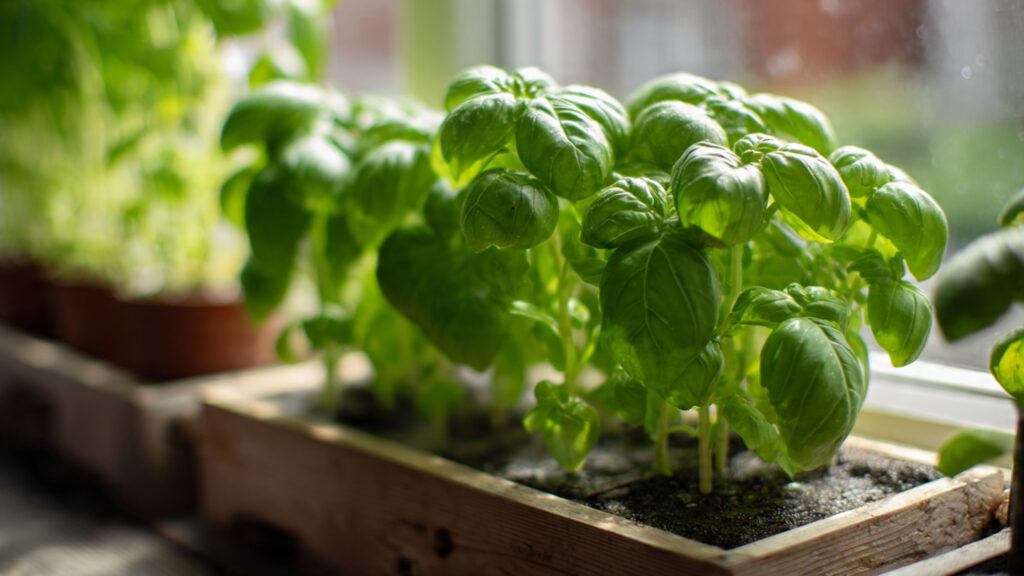
Basil (Ocimum basilicum) is a culinary powerhouse, prized for its fragrant leaves and essential oils that elevate sauces, salads, and countless dishes. For gardeners and chefs alike, one major challenge is keeping basil plants focused on producing lush, flavorful leaves instead of diverting energy into flowering. Once basil flowers, leaf production slows, and the plant’s taste can become bitter.
This ultimate guide delves into practical and proven techniques to prevent flowering and maximize leaf production, ensuring your basil plants remain productive and flavorful throughout the growing season.
Understanding Basil Flowering
Before learning how to prevent flowering, it’s important to understand why basil blooms:
- Natural Lifecycle: Basil is an annual plant. Its primary goal is reproduction, which involves producing flowers and seeds.
- Environmental Triggers: Longer daylight hours, high temperatures, and stress can trigger flowering.
- Genetic Factors: Some basil varieties are more prone to early flowering, while others are bred for slow-bolting.
Preventing flowering, also known as “pinching” or “pruning for leaf production,” redirects the plant’s energy toward foliage growth rather than seed production.
Choosing the Right Basil Varieties
Some varieties are better suited for continuous leaf harvest without early flowering. Consider:
- Genovese Basil: Classic Italian variety, widely used for pesto. Regular pinching is needed to prevent flowering.
- Nufar Basil: Slow-bolting, ideal for prolonged leaf harvest.
- Lettuce Leaf Basil: Produces large leaves and flowers later than most varieties.
- Greek Basil: Compact, dense plant that is less prone to early bolting.
Selecting slow-bolting varieties gives you a head start in maximizing leaf production without constant intervention.
Ideal Growing Conditions to Minimize Flowering
Environmental factors significantly influence flowering. By creating optimal conditions, you can delay blooms:
1. Light
- Basil thrives in full sun, requiring 6–8 hours of direct sunlight per day.
- Avoid excessive stress from too little light, which can accelerate flowering.
- In hot climates, afternoon shade can help reduce stress and delay bolting.
2. Temperature
- Basil prefers 70–85°F (21–29°C).
- Temperatures above 90°F (32°C) or prolonged heat can trigger flowering.
- For northern climates, consider starting seedlings indoors or using shade cloth to moderate heat.
3. Soil and Nutrition
- Well-draining, fertile soil with a pH of 6–7 supports strong leaf growth.
- Incorporate organic matter such as compost to encourage lush foliage.
- Avoid excessive nitrogen; while it promotes leaf growth, imbalanced fertilization can stress plants and lead to premature flowering.
Pinching and Pruning Techniques
The most effective way to keep basil from flowering is through careful pinching and pruning.
Pinching
- Begin pinching when the plant has 6–8 leaves.
- Remove the top set of leaves just above a pair of lateral leaves.
- This encourages the plant to branch out, producing more stems and leaves instead of flowers.
Regular Maintenance
- Check plants every 2–3 days during peak growing season.
- Remove flower buds as soon as they appear; even tiny buds can redirect energy from leaves.
- Harvest leaves from the top, which naturally encourages lateral growth and denser foliage.
Timing Your Harvest
Proper harvesting is both a culinary and cultivation strategy:
- Frequent Harvesting: Regularly harvesting leaves prevents the plant from reaching reproductive maturity too soon.
- Top-Down Harvesting: Always pick leaves from the top first. This stimulates branching and keeps the plant compact.
- Avoid Overharvesting: Leave at least a third of the plant intact so it can continue growing robustly.
Frequent, strategic harvesting maximizes leaf production while delaying flowering.
Companion Planting to Reduce Flowering
Certain companion plants and natural practices can influence basil’s growth patterns:
- Tomatoes: Grow well alongside basil and create a microclimate that moderates temperature.
- Peppers: Similar sunlight and soil needs can support steady leaf growth.
- Flowers like Marigolds: Improve pest resistance, reducing stress that can trigger flowering.
Reducing environmental stress through companion planting helps maintain leafy growth rather than reproductive development.
Watering Techniques
Consistent moisture is crucial for keeping basil vigorous and leafy:
- Basil prefers evenly moist soil but does not tolerate waterlogged roots.
- Water at the base of the plant to prevent fungal diseases.
- Mulching helps retain soil moisture and moderate soil temperature, both of which prevent stress-related flowering.
Proper watering maintains plant vigor and supports prolonged leaf production.
Controlling Bolting in Hot Climates
High heat is one of the main triggers for flowering. To prevent premature bolting in warm regions:
➡️ How to Grow Malabar Spinach from Cuttings for Fast, Easy Greens
➡️ How to Grow Super Delicious Cabbage at Home Without a Garden
➡️ How to Grow Bean Sprouts at Home in Plastic Bottles Easily (Step‑by‑Step Guide)
➡️ Why is Your Lemon Tree Blooming in the Heart of Winter?
➡️ Why Should Your Garden Have a Dedicated Pollinator Highway?
➡️ Why Do Your Fruit Trees Need a Winter Wash to Thrive in Spring?
➡️ How Can Rice Water Transform Your Fruits into Sweeter Delights?
➡️ Jumpstart Your Winter Garden: Seed Starting Under Lights
- Provide Partial Shade: Use shade cloth or plant basil near taller crops to shield from extreme afternoon sun.
- Mulch the Soil: Keeps soil temperature stable and reduces heat stress.
- Choose Heat-Tolerant Varieties: Varieties like ‘Nufar’ or ‘Genovese’ perform better under heat stress.
By managing temperature and stress, you can extend the leaf production window significantly.
Using Fertilizers Wisely
Nutrient management is critical to prevent flowering:
- Balanced Fertilizers: Use a balanced 10-10-10 or 14-14-14 fertilizer for steady growth.
- Liquid Fertilizer: Foliar sprays of diluted compost tea or fish emulsion every 2–3 weeks can provide quick nutrient uptake without stressing the plant.
- Avoid Excess Nitrogen: Overuse can lead to weak, spindly growth that bolts quickly.
A careful fertilization schedule ensures the plant focuses on leaves rather than flowers.
Pest and Disease Management
Stressed basil plants are more likely to flower early. Preventing pests and disease is part of maintaining leafy growth:
Common Pests
- Aphids
- Whiteflies
- Spider mites
Disease Prevention
- Powdery mildew
- Downy mildew
Management Techniques
- Inspect plants regularly and remove affected leaves.
- Encourage beneficial insects like ladybugs.
- Avoid overhead watering to minimize leaf wetness.
- Provide adequate spacing for airflow between plants.
Healthy, stress-free plants are less likely to divert energy to flowering.
Indoor and Container Basil Strategies
For gardeners growing basil indoors or in containers:
- Ensure sufficient sunlight, using grow lights if necessary.
- Control temperature, keeping plants below 85°F (29°C).
- Rotate containers to ensure even light exposure.
- Pinch and prune regularly to maintain a compact, leafy plant.
Indoor cultivation provides greater control over environmental conditions, making it easier to prevent flowering.
Harvesting for Storage
Maximizing leaf production also involves careful post-harvest handling:
- Harvest in the morning when leaves are most turgid.
- Avoid washing leaves immediately if storing for several days; moisture promotes rot.
- Freeze, dry, or make pesto to preserve flavor while keeping plants productive.
Regular harvesting and storage practices support continuous leaf production without stressing the plant.
Companion Strategies for Long-Term Production
Some additional techniques help prolong leafy growth:
- Succession Planting: Plant basil every 3–4 weeks to maintain a continuous harvest.
- Staggered Pruning: Prune sections of the plant in rotation rather than all at once to reduce stress.
- Rotation of Pots: For container gardens, occasionally rotate plants to ensure even light and airflow.
These strategies create a sustainable, high-yielding basil crop throughout the season.
Final Thoughts
Basil flowering is natural, but with the right strategies, gardeners can delay blooms and maximize leaf production. By choosing slow-bolting varieties, maintaining optimal sunlight and temperature, employing frequent pinching and pruning, and carefully managing water and nutrients, basil plants can remain leafy and productive for months.
Preventing flowering isn’t just about aesthetics or quantity—it’s about flavor and culinary quality. Leafy basil harvested before flowering is sweeter, more aromatic, and richer in essential oils, making it perfect for cooking, salads, and preserving.
By following these comprehensive techniques, home gardeners, chefs, and enthusiasts can cultivate lush, green basil plants that thrive throughout the growing season, ensuring a continuous supply of fresh, fragrant leaves without compromise.