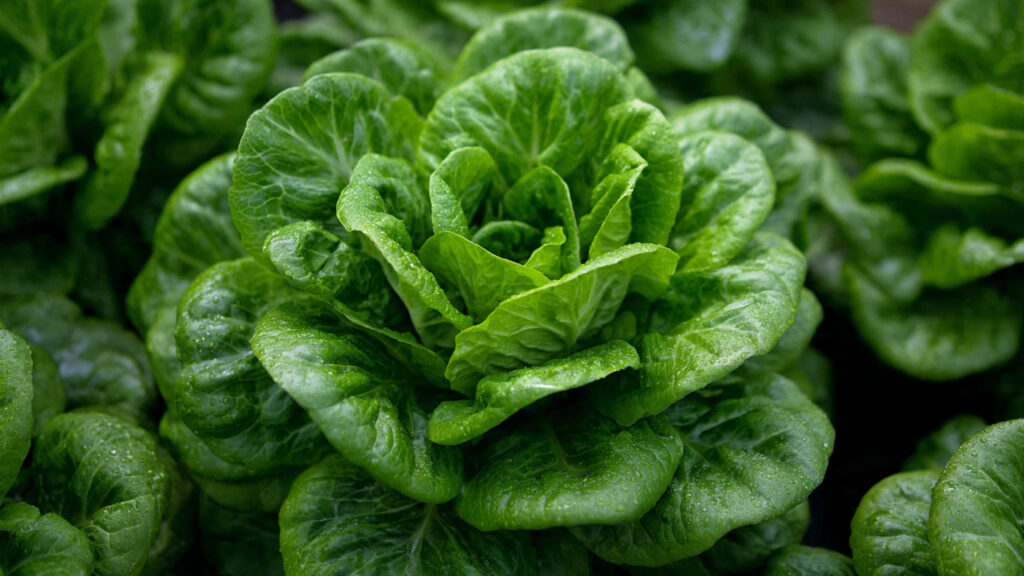
Lettuce is one of the most rewarding vegetables to grow at home, especially when cultivated using the “cut and come again” method. This technique allows gardeners to enjoy a continuous supply of fresh, tender leaves over an extended period without replanting. Ideal for small spaces, containers, raised beds, or traditional garden plots, cut-and-come-again lettuce maximizes yield while minimizing effort. This ultimate guide will take you step by step through the process of growing, maintaining, and harvesting lettuce for a continuous supply of nutritious greens.
Understanding Cut and Come Again Lettuce
The term “cut and come again” refers to a harvesting style in which only the outer leaves of a plant are harvested, leaving the inner growing point intact. This allows the plant to regenerate new leaves multiple times throughout the growing season. Unlike head lettuce varieties, which are harvested whole and then replaced, cut-and-come-again types provide a long-term supply of fresh leaves with minimal waste.
Best Varieties for Continuous Harvest
Some lettuce varieties are particularly well-suited to this method:
- Leaf Lettuce (Looseleaf): Fast-growing and tender, with colorful varieties like ‘Red Sails,’ ‘Oakleaf,’ or ‘Buttercrunch.’
- Romaine/Cos: Sturdy leaves hold up well for multiple harvests.
- Mignonette or Baby Greens: Small leaves ideal for salads and microgreens.
Choosing the right variety ensures rapid regrowth and maximizes your harvest over time.
Step 1: Choosing a Growing Location
Lettuce prefers cool, partial-sun conditions. While it can tolerate full sun, especially in early spring and late summer, excessive heat can cause bitterness and bolting. Consider the following:
- Garden Beds: Raised beds or rows with loose, fertile soil are ideal.
- Containers: Perfect for small spaces; use 6–12 inch deep pots with good drainage.
- Indoor or Balcony Gardening: Lettuce grows well in containers with access to natural light or under grow lights.
Lettuce needs 10–12 hours of light daily for optimal growth. Indoor growers can supplement with LED or fluorescent lights for consistent growth.
Step 2: Preparing the Soil
Lettuce thrives in nutrient-rich, well-draining soil. For best results:
- Soil Mix: Use a combination of garden soil, compost, and organic matter to maintain moisture while promoting healthy growth.
- pH Level: Slightly acidic to neutral soil (6.0–7.0) is ideal.
- Soil Texture: Loose soil prevents root compaction and encourages faster leaf production.
Healthy soil is the foundation for vigorous growth and continuous harvesting.
Step 3: Sowing Seeds
Lettuce seeds are tiny and require careful planting:
- Sow seeds directly into prepared soil or starter trays.
- For direct sowing, scatter seeds thinly or plant them ¼ inch deep.
- For container planting, sow seeds evenly and lightly cover with soil or compost.
- Water gently using a spray bottle to avoid washing away seeds.
Seeds typically germinate in 7–14 days, depending on temperature and moisture. Maintaining consistently moist soil ensures rapid germination.
Step 4: Thinning Seedlings
Once seedlings develop two true leaves, thinning is essential to prevent overcrowding:
- Spacing: Thin to 3–6 inches apart depending on the variety. Leaf lettuce can be closer; romaine may need more space.
- Method: Snip excess seedlings at soil level with scissors to avoid disturbing neighboring plants.
Thinning ensures that each plant has enough nutrients, light, and space to grow vigorously, supporting multiple harvests.
Step 5: Providing Consistent Watering
Lettuce has shallow roots and requires regular watering to maintain leaf tenderness and flavor:
- Frequency: Water daily or every other day, depending on weather and soil type.
- Method: Use gentle watering to avoid soil erosion and seed displacement.
- Moisture: Keep soil consistently moist but not waterlogged. Overwatering can lead to root rot.
Even soil moisture promotes steady growth and prevents bitterness caused by stress or drought conditions.
Step 6: Fertilizing for Continuous Growth
For ongoing production, lettuce benefits from regular feeding:
➡️ How to Grow Malabar Spinach from Cuttings for Fast, Easy Greens
➡️ How to Grow Super Delicious Cabbage at Home Without a Garden
➡️ How to Grow Bean Sprouts at Home in Plastic Bottles Easily (Step‑by‑Step Guide)
➡️ Why is Your Lemon Tree Blooming in the Heart of Winter?
➡️ Why Should Your Garden Have a Dedicated Pollinator Highway?
➡️ Why Do Your Fruit Trees Need a Winter Wash to Thrive in Spring?
➡️ How Can Rice Water Transform Your Fruits into Sweeter Delights?
➡️ Jumpstart Your Winter Garden: Seed Starting Under Lights
- Organic Fertilizers: Compost tea, fish emulsion, or liquid seaweed promotes healthy leaf growth.
- Balanced Fertilizers: Nitrogen-rich fertilizers support leafy development. Apply every 2–3 weeks in small amounts.
- Avoid Over-Fertilization: Excess nutrients can produce lush leaves but reduce flavor.
Proper fertilization enhances regrowth after each harvest and keeps plants productive throughout the season.
Step 7: Harvesting Lettuce
The key to successful cut-and-come-again gardening lies in careful harvesting:
- Harvest outer leaves when they reach 3–5 inches long.
- Leave the inner growing point intact to allow new leaves to form.
- Use scissors or a sharp knife to cut leaves cleanly, minimizing damage to the plant.
- Avoid harvesting more than one-third of the plant at a time to maintain vigor.
With proper harvesting, each plant can produce multiple flushes of leaves over several weeks.
Step 8: Staggered Planting for Continuous Supply
To maintain a constant supply of fresh lettuce:
- Succession Planting: Sow new seeds every 2–3 weeks.
- Container Rotation: If growing in pots, stagger planting in multiple containers to ensure ongoing harvest.
- Variety Rotation: Mix different lettuce types to balance harvest times and flavors.
Staggered planting guarantees fresh greens throughout the season without gaps.
Step 9: Managing Pests and Diseases
Even in home gardens, lettuce can face challenges from pests and diseases:
- Common Pests: Aphids, slugs, and caterpillars. Use handpicking, insecticidal soap, or organic deterrents as needed.
- Fungal Issues: Downy mildew and leaf spot can occur in humid or overcrowded conditions. Ensure proper spacing and air circulation.
- Preventive Care: Water at the base, avoid overhead irrigation, and monitor regularly.
Healthy plants regrow faster and maintain quality for continuous harvesting.
Step 10: Extending the Growing Season
Lettuce is a cool-season crop and can bolt in hot weather. To prolong production:
- Shade Cloth: Protect plants during intense summer heat to slow bolting.
- Indoor Growing: Transition containers indoors during extreme temperatures.
- Winter Care: In mild climates, lettuce can grow year-round with protection from frost.
Managing environmental conditions ensures ongoing harvests even when outdoor conditions fluctuate.
Step 11: Companion Planting for Better Results
Companion planting can enhance lettuce growth and reduce pest problems:
- Herbs: Planting basil, chives, or cilantro nearby can repel pests.
- Root Vegetables: Carrots and radishes grow well alongside lettuce without competing for nutrients.
- Flowers: Marigolds can deter insects while adding visual appeal.
Strategic companion planting encourages healthy growth and maximizes garden space.
Step 12: Troubleshooting Common Issues
Even with careful planning, problems may arise:
- Leggy Growth: Insufficient light causes tall, weak plants. Use supplemental lighting or relocate containers.
- Bitter Leaves: Overheating or infrequent watering can make leaves bitter. Maintain consistent moisture and shade plants during hot periods.
- Slow Regrowth: Nutrient deficiency or over-harvesting slows leaf production. Fertilize regularly and avoid removing too many leaves at once.
Addressing these issues promptly ensures continuous, high-quality harvests.
Conclusion
Growing lettuce using the cut-and-come-again method is a practical and rewarding way to enjoy fresh greens throughout the season. By choosing the right varieties, providing suitable soil, light, and water, and harvesting carefully, gardeners can maximize yield without replanting constantly.
This approach allows for:
- A constant supply of fresh leaves for salads, sandwiches, and cooking
- Efficient use of space in small gardens, raised beds, or containers
- Reduced waste and sustainable gardening practices
With proper care, succession planting, and pest management, cut-and-come-again lettuce provides a continuous source of nutritious, tender leaves. Whether you are a beginner or an experienced gardener, this method makes it easy to enjoy vibrant, home-grown lettuce all season long.
By following this ultimate guide, your garden or containers can yield a steady harvest, transforming your meals with fresh, homegrown greens while making gardening a simple and satisfying endeavor.