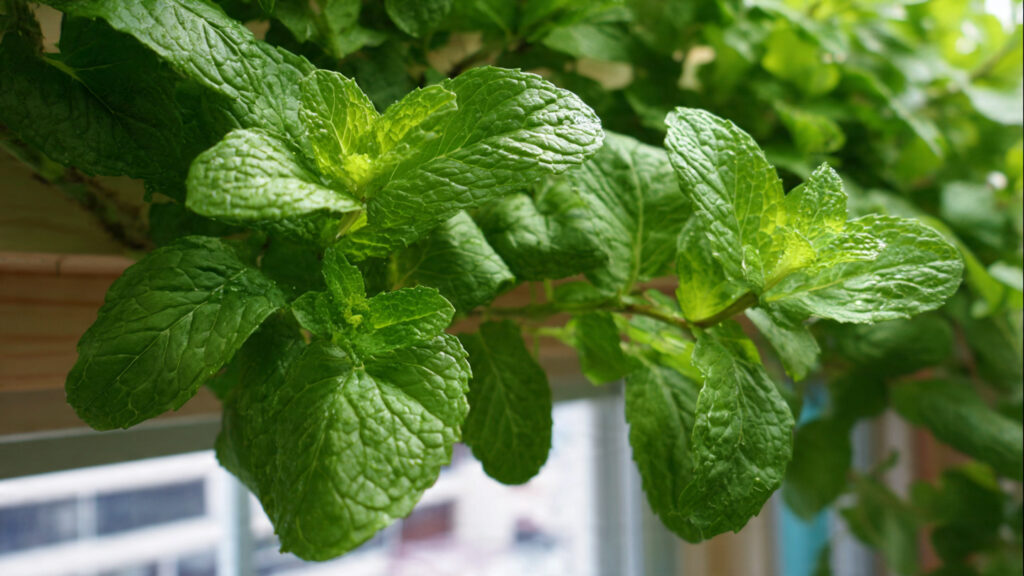
Mint (Mentha spp.) is one of the most versatile, aromatic, and easy-to-grow herbs that gardeners can cultivate at home. Its refreshing fragrance, vibrant green leaves, and culinary versatility make it a staple for kitchens worldwide. From teas and cocktails to salads and desserts, fresh mint elevates both flavor and aroma in countless dishes. Growing mint in hanging containers not only saves space but also allows you to harvest fresh herbs year-round, even in apartments, balconies, or small patios.
Mint is well-known for its vigorous growth and spreading habit, which can make traditional garden beds a challenge to manage. Hanging containers offer a practical solution: they keep mint contained, create an attractive display, and provide convenient access for harvesting. This comprehensive guide will walk you through everything you need to know to grow mint successfully in hanging containers, ensuring a steady supply of fresh leaves throughout the year.
Understanding Mint
Mint is a hardy perennial herb from the Lamiaceae family, which includes basil, oregano, and rosemary. It has square stems, aromatic leaves, and small, clustered flowers. Common culinary varieties include:
- Spearmint (Mentha spicata): Sweet flavor, perfect for teas and salads.
- Peppermint (Mentha × piperita): Strong, cooling flavor, ideal for desserts and beverages.
- Chocolate Mint (Mentha × piperita ‘Chocolate’): Subtle chocolate undertones, unique for culinary use.
- Apple Mint (Mentha suaveolens): Fruity aroma, great for garnishes and drinks.
Mint grows vigorously and can easily take over garden beds if left unchecked. Hanging containers help control its spread while keeping it accessible and visually appealing.
Benefits of Growing Mint in Hanging Containers
- Space Efficiency: Perfect for small patios, balconies, or indoor kitchens.
- Year-Round Access: Provides fresh leaves regardless of season when grown indoors or in controlled environments.
- Pest Management: Elevation reduces contact with ground-dwelling pests.
- Controlled Growth: Prevents invasive spreading common in garden beds.
- Aesthetic Appeal: Cascading mint in hanging containers adds greenery and charm to any space.
With these benefits, hanging containers are an ideal solution for urban gardeners or anyone looking for convenience and style.
Choosing the Right Hanging Container
Selecting an appropriate container is crucial for successful mint cultivation:
- Size: Choose a container at least 10–12 inches in diameter and deep enough (8–10 inches) for root growth. Mint has a robust root system that requires space to thrive.
- Material: Lightweight options like plastic or resin are easy to hang. Terracotta or ceramic is more stable but heavier, especially when soil is moist.
- Drainage: Ensure multiple drainage holes to prevent waterlogging, which can cause root rot.
- Hanging Hardware: Use strong chains, ropes, or brackets to safely support the container’s weight when watered.
Proper container choice supports healthy growth and prevents common issues like water stagnation or tipping.
Choosing the Right Mint Variety
While most mint varieties grow well in containers, some are better suited for hanging baskets:
- Trailing Varieties: Apple mint or peppermint cultivars tend to cascade beautifully over the edges, creating an attractive display.
- Compact Varieties: Spearmint or chocolate mint can be pruned to maintain shape without overtaking the container.
Choosing the right variety ensures manageable growth and enhances the visual appeal of your hanging herb garden.
Soil Requirements for Mint
Mint thrives in fertile, well-draining soil:
- Potting Mix: Use high-quality, lightweight potting soil mixed with perlite or coarse sand to improve aeration and drainage.
- pH: Slightly acidic to neutral soil (pH 6.0–7.0) supports healthy leaf development.
- Organic Matter: Adding compost or well-rotted manure boosts nutrient content and moisture retention.
Hanging containers dry out faster than ground beds, so a moisture-retentive yet well-draining mix is essential.
Light Requirements
Mint grows best with bright, indirect light:
- Outdoor Hanging Containers: Place in partial sun to partial shade, ideally receiving 4–6 hours of morning sunlight.
- Indoor Hanging Containers: Position near a sunny window or supplement with fluorescent or LED grow lights for 12–14 hours daily.
- Avoid Harsh Midday Sun: Too much direct light can scorch the leaves, especially in hanging containers where air circulation is reduced.
Proper light ensures lush, aromatic foliage and promotes continuous growth.
Watering Mint in Hanging Containers
Consistent watering is critical for healthy mint:
- Frequency: Check the top inch of soil daily. Water when it feels dry. Hanging containers dry faster due to air exposure.
- Technique: Water thoroughly at the soil level, allowing excess to drain freely from the bottom. Avoid splashing leaves to reduce the risk of fungal diseases.
- Humidity: Indoor mint benefits from occasional misting, especially in dry environments.
Avoid overwatering, which can lead to root rot, and under-watering, which causes wilting and stunted growth.
➡️ How to Grow Malabar Spinach from Cuttings for Fast, Easy Greens
➡️ How to Grow Super Delicious Cabbage at Home Without a Garden
➡️ How to Grow Bean Sprouts at Home in Plastic Bottles Easily (Step‑by‑Step Guide)
➡️ Why is Your Lemon Tree Blooming in the Heart of Winter?
➡️ Why Should Your Garden Have a Dedicated Pollinator Highway?
➡️ Why Do Your Fruit Trees Need a Winter Wash to Thrive in Spring?
➡️ How Can Rice Water Transform Your Fruits into Sweeter Delights?
➡️ Jumpstart Your Winter Garden: Seed Starting Under Lights
Fertilization
Regular feeding supports vigorous growth and year-round leaf production:
- Type: Use a balanced, water-soluble fertilizer (e.g., 10-10-10) or an organic option like liquid seaweed or compost tea.
- Frequency: Feed every 4–6 weeks during the growing season. Reduce feeding during dormant periods in winter.
- Avoid Over-Fertilizing: Excess nitrogen promotes leafy growth at the expense of flavor and aroma.
Balanced fertilization keeps mint healthy, aromatic, and productive.
Pruning and Harvesting
Mint responds exceptionally well to pruning, which keeps it compact and encourages bushy growth:
- Regular Trimming: Pinch or cut stems regularly to prevent legginess and promote branching.
- Harvesting Leaves: Pick the top 2–3 inches of stems for maximum flavor. Frequent harvesting encourages continuous growth.
- Flower Control: Remove flower buds to prolong leaf production, as flowering can divert energy away from foliage.
Pruning and harvesting at the right time ensures strong, aromatic leaves throughout the year.
Winter and Indoor Care
Mint can thrive year-round indoors with the right care:
- Light: Place near a bright window or provide supplemental lighting.
- Temperature: Maintain indoor temperatures between 60–75°F (15–24°C).
- Air Circulation: Ensure good airflow to prevent fungal diseases in low-light or humid conditions.
By providing stable indoor conditions, you can maintain fresh mint even during the colder months.
Common Problems and Solutions
Even container-grown mint can face challenges:
- Yellowing Leaves: Often caused by overwatering, poor drainage, or nutrient deficiency. Adjust watering and fertilization.
- Leggy Growth: Caused by insufficient light; move the container to a brighter spot or supplement with grow lights.
- Pests: Aphids, spider mites, and whiteflies can appear; treat with neem oil, insecticidal soap, or by rinsing leaves under water.
- Root-Bound Plants: Mint can outgrow containers quickly; repot every 12–18 months to maintain vigor.
Monitoring regularly and addressing issues early prevents long-term damage.
Propagation for Continuous Supply
Mint is easy to propagate, which ensures a constant supply:
- Stem Cuttings: Place 4–6 inch cuttings in water or directly in soil. Roots develop in 1–2 weeks.
- Division: Separate established plants into smaller sections and replant in fresh soil.
- Container Rotation: Propagate multiple hanging containers to maintain year-round harvests and aesthetic appeal.
Propagation allows gardeners to expand their herb collection or share plants with friends and family.
Decorative and Practical Uses
Hanging mint containers provide both beauty and function:
- Culinary Use: Fresh leaves for teas, cocktails, sauces, salads, and desserts.
- Aromatic Ambiance: Mint leaves release a pleasant fragrance that enhances indoor and outdoor spaces.
- Decorative Appeal: Cascading mint in hanging baskets adds greenery to balconies, patios, kitchens, or sunrooms.
- Companion Planting: Mint deters pests in nearby plants, making it a natural addition to herb gardens.
These benefits make hanging mint both practical and visually appealing.
Conclusion
Growing mint in hanging containers is an ideal way to enjoy fresh herbs year-round, even in small spaces. By selecting the right variety, choosing appropriate containers, providing well-draining soil, and maintaining consistent light, water, and nutrients, you can cultivate lush, aromatic mint for culinary and decorative purposes.
Regular pruning, harvesting, and propagation ensure a continuous supply of fresh leaves while keeping the plant compact and visually appealing. Hanging containers also add vertical interest, creating a living herb display that enhances any balcony, patio, or indoor space.
With minimal effort and careful attention, mint in hanging containers becomes a vibrant, aromatic, and functional addition to your home, providing flavor, fragrance, and greenery all year long.