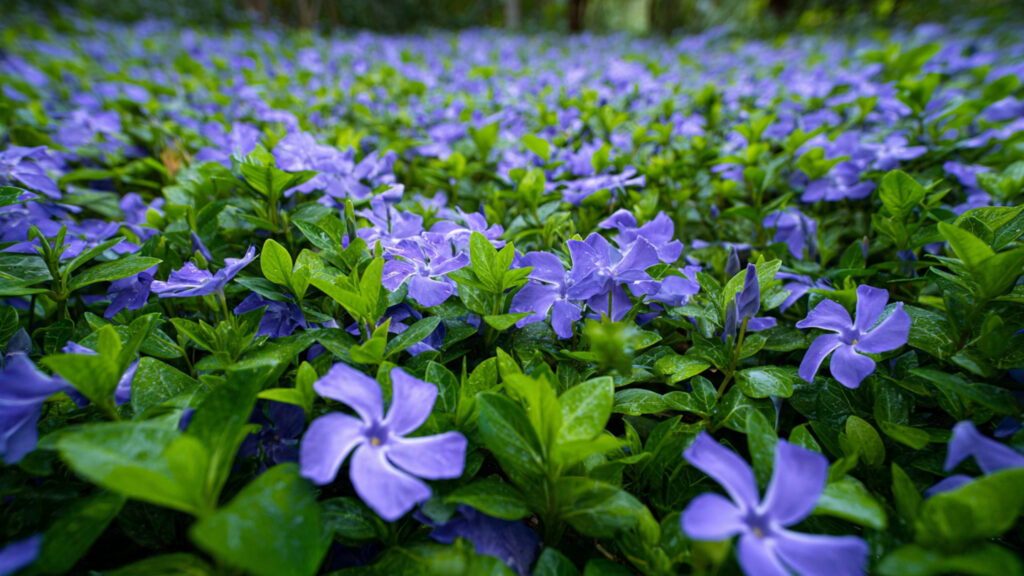
Periwinkle (Vinca minor), also known as creeping myrtle or dwarf periwinkle, is a versatile and resilient ground cover that can transform gardens into vibrant, lush landscapes. With its glossy green foliage, abundant purple or blue flowers, and low-maintenance nature, periwinkle has become a favorite among gardeners seeking both beauty and practicality. This hardy plant thrives in a variety of soil conditions and can flourish in sun or partial shade, making it ideal for borders, slopes, and areas that are difficult to cultivate with other plants.
Whether you are a beginner gardener or an experienced landscaper, growing periwinkle effectively requires understanding its growth habits, soil preferences, light requirements, and maintenance needs. This ultimate guide will provide a comprehensive roadmap to establishing and maintaining a thriving periwinkle ground cover that enhances any garden space.
Understanding Periwinkle Growth
Periwinkle is a trailing evergreen perennial that spreads quickly across the ground, creating a dense carpet of foliage and flowers. Key characteristics include:
- Creeping stems: Periwinkle spreads via runners that root at nodes, allowing it to fill gaps and stabilize soil.
- Evergreen leaves: The plant retains its green color year-round, providing continuous coverage.
- Flowering: Small, star-shaped flowers bloom primarily in spring, though some varieties may flower sporadically throughout the year.
- Resilience: Periwinkle tolerates drought, varying soil types, and partial shade, making it highly adaptable.
Understanding these traits helps gardeners position the plant effectively and manage its growth to avoid invasive tendencies.
Choosing the Right Variety
Several varieties of periwinkle are available, each suited for different landscaping needs:
- Vinca minor ‘Bowles’ Variety’: Dense growth habit with rich violet-blue flowers.
- Vinca minor ‘Alba’: Produces pure white flowers for a striking contrast against green foliage.
- Vinca minor ‘Atropurpurea’: Features deep purple leaves and flowers, adding visual depth.
- Vinca major: Larger leaves and flowers, ideal for covering bigger areas quickly.
Selecting the right variety depends on your garden goals, aesthetic preferences, and local climate. Smaller-leaf varieties are generally better for tight spaces, while larger-leaf forms provide fast coverage on slopes or open areas.
Step 1: Selecting the Planting Location
Periwinkle thrives in a range of light conditions but performs best when its environmental preferences are met:
- Sunlight: Prefers partial shade to full sun. In hotter regions, partial shade prevents leaf scorch.
- Soil: Well-draining soil is ideal, though periwinkle tolerates clay, loam, or sandy soils.
- Slope stabilization: Excellent for erosion control on slopes and banks.
- Borders and pathways: Dense growth makes it perfect for edges or under trees.
A thoughtfully selected site ensures vigorous growth and reduces the risk of plant stress.
Step 2: Soil Preparation
Although periwinkle is adaptable, preparing the soil improves establishment and long-term health:
- Loosen soil to a depth of 6–8 inches to encourage root penetration.
- Add organic matter such as compost or aged manure to improve fertility and drainage.
- pH preference: Slightly acidic to neutral soil (pH 6.0–7.0) works best.
- Remove weeds and debris to reduce competition and allow periwinkle to establish quickly.
Well-prepared soil ensures strong roots, denser coverage, and more prolific flowering.
Step 3: Planting Periwinkle
Periwinkle can be planted as seedlings, cuttings, or bare-root plants:
- Spacing: Plant 12–18 inches apart for smaller varieties and 18–24 inches for larger varieties. Over time, periwinkle spreads to fill gaps.
- Planting depth: Set the crown of the plant at soil level to prevent rot.
- Watering: Water immediately after planting to help roots settle.
- Mulching: Apply a thin layer of mulch to retain moisture and suppress weeds without covering the stems.
Proper planting ensures rapid establishment and reduces maintenance needs in the early stages.
Step 4: Watering and Moisture Management
Periwinkle is drought-tolerant but performs best with consistent moisture during establishment:
- Initial watering: Keep the soil evenly moist for the first 4–6 weeks after planting.
- Established plants: Water only during prolonged dry spells. Avoid overwatering to prevent root rot.
- Container considerations: If grown in pots, ensure adequate drainage and more frequent watering during hot weather.
Balanced watering encourages deep rooting and healthier foliage, which promotes dense coverage.
Step 5: Fertilizing for Vibrant Growth
Periwinkle does not require heavy fertilization but benefits from periodic feeding:
➡️ How to Grow Malabar Spinach from Cuttings for Fast, Easy Greens
➡️ How to Grow Super Delicious Cabbage at Home Without a Garden
➡️ How to Grow Bean Sprouts at Home in Plastic Bottles Easily (Step‑by‑Step Guide)
➡️ Why is Your Lemon Tree Blooming in the Heart of Winter?
➡️ Why Should Your Garden Have a Dedicated Pollinator Highway?
➡️ Why Do Your Fruit Trees Need a Winter Wash to Thrive in Spring?
➡️ How Can Rice Water Transform Your Fruits into Sweeter Delights?
➡️ Jumpstart Your Winter Garden: Seed Starting Under Lights
- Balanced fertilizer: Apply a 10-10-10 NPK fertilizer in early spring to encourage growth and flowering.
- Organic options: Compost tea or slow-release granular fertilizers provide steady nutrients.
- Frequency: Feed every 6–8 weeks during active growing periods for continuous blooms.
Nutrient-rich soil ensures vigorous growth, abundant flowers, and a lush green carpet.
Step 6: Pruning and Maintenance
Although periwinkle spreads naturally, occasional pruning helps maintain appearance and prevents invasiveness:
- Control growth: Trim back runners to keep the plant within designated areas.
- Promote flowering: Prune older stems in early spring to encourage new shoots and more blooms.
- Remove dead or damaged foliage to maintain aesthetics and prevent disease.
Regular maintenance keeps periwinkle looking neat and prevents it from overtaking other plants in your garden.
Step 7: Propagation Techniques
Periwinkle is easy to propagate, making it ideal for expanding ground coverage:
Stem Cuttings
- Cut healthy stems about 4–6 inches long.
- Remove lower leaves and plant in moist soil or water until roots form.
- Transplant rooted cuttings to prepared soil.
Division
- Carefully dig up established clumps.
- Separate stems with roots and replant in new locations.
Propagation allows you to cover large areas efficiently while maintaining healthy, vigorous plants.
Step 8: Controlling Pests and Diseases
Periwinkle is relatively resistant to pests and diseases but vigilance ensures long-term health:
- Common pests: Aphids, spider mites, and scale insects can appear; treat with insecticidal soap or neem oil.
- Fungal issues: Root rot or leaf spots may occur in poorly drained soils. Ensure proper spacing and drainage.
- Maintenance tips: Regular pruning, good airflow, and proper watering reduce the likelihood of infestations.
Proactive care ensures your periwinkle remains lush and vibrant throughout the season.
Step 9: Seasonal Care
Periwinkle thrives year-round with appropriate seasonal adjustments:
- Spring: Fertilize and prune to encourage new growth.
- Summer: Ensure adequate watering during dry periods. Partial shade helps prevent leaf scorch in hot climates.
- Fall: Remove dead leaves and trim runners to prepare for winter.
- Winter: In mild climates, periwinkle remains evergreen; in colder regions, protect plants with mulch or temporary covers.
Seasonal care maximizes health, appearance, and flowering potential.
Advantages of Using Periwinkle as Ground Cover
Periwinkle offers multiple benefits for gardeners seeking a vibrant, low-maintenance landscape:
- Aesthetic appeal: Evergreen foliage and seasonal blooms provide continuous color.
- Soil erosion control: Trailing stems stabilize slopes and prevent runoff.
- Low maintenance: Once established, periwinkle requires minimal care.
- Drought tolerance: Adaptable to a range of environmental conditions.
- Pest and disease resistance: Hardy nature reduces maintenance requirements.
Its combination of beauty and practicality makes periwinkle an excellent choice for both decorative and functional gardening.
Landscaping Ideas with Periwinkle
Periwinkle can enhance your garden design in multiple ways:
- Borders: Use along paths, fences, or garden edges for a lush, continuous edge.
- Under trees: Thrives in partial shade, filling bare spots beneath larger plants.
- Slopes and banks: Prevents erosion while adding color and texture.
- Container gardening: Cascading varieties work well in pots and hanging baskets.
Creative placement allows periwinkle to complement both traditional and modern garden designs.
Final Thoughts
Periwinkle ground cover is a powerful ally for gardeners seeking a vibrant, low-maintenance landscape. Its adaptability, lush foliage, and prolific flowering make it suitable for a wide range of garden environments, from sunny slopes to shaded borders.
By understanding its growth habits, selecting the right variety, preparing soil properly, and implementing proper watering, fertilization, and pruning techniques, gardeners of all experience levels can cultivate dense, colorful periwinkle ground cover. Propagation allows for easy expansion, while careful monitoring prevents potential pests or disease from affecting its beauty.
With attention to detail and consistent care, periwinkle can transform any garden into a vibrant, evergreen oasis, providing year-round appeal and structural beauty that enhances both aesthetics and function. Whether used for erosion control, ornamental displays, or low-maintenance greenery, periwinkle is a must-have for gardeners seeking a truly thriving, colorful landscape.