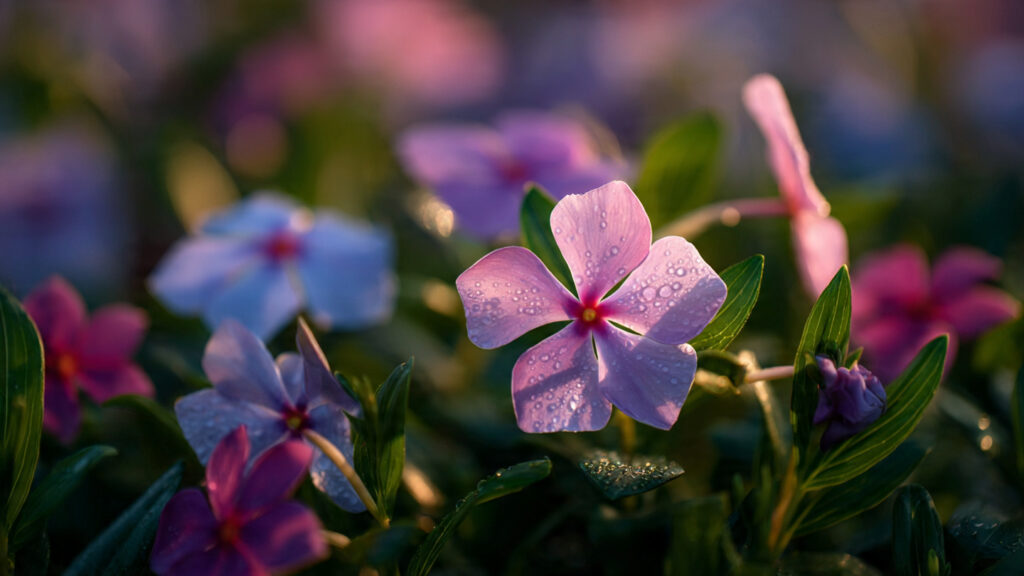
Few garden plants combine beauty, resilience, and low maintenance quite like Catharanthus roseus, commonly known as vinca or Madagascar periwinkle. With its glossy green leaves, vibrant blooms, and ability to tolerate harsh conditions, vinca is a favorite among gardeners in regions that experience scorching summers. However, thriving vinca in high summer temperatures requires more than simply planting it and walking away. Understanding its growth habits, light and soil preferences, and watering needs is key to cultivating a lush, blooming garden during the hottest months.
This ultimate guide will take you step by step through how to grow vinca successfully even when the mercury rises.
Understanding Vinca and Its Heat-Tolerant Nature
Vinca is native to Madagascar and is naturally adapted to tropical climates. Its innate resilience makes it an ideal candidate for summer gardens in zones 9–11, but even gardeners in cooler areas can enjoy heat-loving vinca when planted after the last frost.
Key features that make vinca perfect for high summer temperatures include:
- Heat tolerance: Vinca thrives under direct sunlight and can survive in temperatures above 90°F (32°C).
- Drought resistance: Its fleshy stems and leaves allow it to endure dry conditions.
- Long flowering period: With proper care, vinca blooms continuously from late spring to fall.
However, heat tolerance does not mean neglect. Without careful planting, watering, and fertilization, vinca can underperform or suffer from scorching.
Selecting the Right Variety
Vinca comes in several varieties, each offering unique traits. Choosing a variety suited for high temperatures ensures optimal performance:
- Catharanthus roseus ‘Pacifica’ series: Compact growth with vibrant flowers and excellent heat tolerance.
- Catharanthus roseus ‘Titan’ series: Large blooms and vigorous growth that withstand hot sun.
- Trailing or spreading varieties: Perfect for hanging baskets, container gardens, or groundcover in sunny beds.
Compact, heat-tolerant varieties tend to bloom longer and require less maintenance in hot weather.
Choosing the Perfect Planting Location
Vinca thrives in full sun, making it ideal for high summer conditions. However, extreme heat can still stress the plants, so consider these tips:
- Morning sun, afternoon shade: If temperatures regularly exceed 95°F (35°C), afternoon shade protects flowers and foliage from sun scorch.
- Wind protection: Strong summer winds can dry out soil quickly and damage flowers. A sheltered location or windbreak helps maintain healthy growth.
- Well-draining soil: Avoid low spots where water may accumulate. Vinca roots dislike sitting in water, especially in hot weather.
Remember, while vinca is tough, it performs best when soil moisture and temperature are balanced.
Preparing the Soil
Vinca prefers slightly acidic to neutral soil (pH 6.0–7.0) with good drainage. Heat intensifies the risk of root rot in poorly drained soil, so soil preparation is critical:
- Loosen soil to at least 12 inches deep.
- Amend with organic matter like compost to improve water retention without reducing drainage.
- Add sand if necessary to prevent compaction in clay-heavy soils.
Well-prepared soil allows roots to breathe, absorb nutrients efficiently, and withstand summer heat.
Planting Vinca Successfully
Planting at the right time is crucial. Avoid planting during the peak of summer heat; instead, follow these guidelines:
- In warm climates: Plant in early spring to establish before the hottest months.
- In cooler climates: Wait until after the last frost, ensuring soil is warm enough for root development.
Planting tips:
- Space plants 8–12 inches apart for proper airflow and to reduce disease risk.
- Water thoroughly after planting.
- Mulch around the base with 2–3 inches of organic material to conserve soil moisture and regulate soil temperature.
Watering Vinca in High Heat
Even drought-tolerant vinca requires regular watering, particularly during establishment and extreme heat:
- Young plants: Water daily or every other day for the first 2–3 weeks.
- Established plants: Deep watering 1–2 times per week is usually sufficient.
- Water at the soil level: Avoid wetting leaves, as water on foliage in hot sun can lead to sunburn or fungal issues.
Mulch helps retain soil moisture and prevents rapid evaporation during high temperatures.
➡️ How to Grow Malabar Spinach from Cuttings for Fast, Easy Greens
➡️ How to Grow Super Delicious Cabbage at Home Without a Garden
➡️ How to Grow Bean Sprouts at Home in Plastic Bottles Easily (Step‑by‑Step Guide)
➡️ Why is Your Lemon Tree Blooming in the Heart of Winter?
➡️ Why Should Your Garden Have a Dedicated Pollinator Highway?
➡️ Why Do Your Fruit Trees Need a Winter Wash to Thrive in Spring?
➡️ How Can Rice Water Transform Your Fruits into Sweeter Delights?
➡️ Jumpstart Your Winter Garden: Seed Starting Under Lights
Fertilizing for Continuous Bloom
Vinca flowers profusely when nutrients are available, especially in hot weather:
- Apply a balanced, slow-release fertilizer at planting.
- Supplement with liquid fertilizer every 4–6 weeks during summer for ongoing bloom support.
- Avoid excessive nitrogen, which encourages leafy growth at the expense of flowers.
Healthy soil combined with regular feeding ensures vibrant blooms even during peak heat.
Pruning and Deadheading
Pruning keeps vinca plants tidy and encourages more blooms:
- Pinch back new growth early in the season to promote bushiness.
- Remove spent flowers regularly (deadheading) to extend blooming.
- Trim leggy growth to maintain compact, heat-resilient plants.
Proper pruning also improves air circulation, reducing the risk of fungal diseases in hot, humid conditions.
Pest and Disease Management
High summer temperatures can increase stress on plants, making them more susceptible to pests and disease:
- Aphids: Small clusters on leaves can be sprayed off with water or treated with insecticidal soap.
- Spider mites: Often appear during dry, hot periods; keep foliage humid and monitor closely.
- Fungal issues: Avoid overhead watering; ensure spacing allows airflow.
Vinca is generally resistant to most pests if grown in well-drained soil with proper care.
Companion Planting with Vinca
Vinca pairs beautifully with other heat-tolerant plants in summer gardens:
- Marigolds: Provide color contrast and natural pest control.
- Petunias: Complement vibrant vinca flowers and share similar growing conditions.
- Salvia: Adds vertical interest and attracts pollinators.
Using companion plants helps maintain biodiversity and creates visually appealing garden beds that thrive in hot weather.
Growing Vinca in Containers
Vinca also excels in container gardening—ideal for patios, balconies, or rooftop gardens exposed to high heat:
- Use large pots to provide enough soil volume for heat protection.
- Ensure drainage holes to prevent waterlogging.
- Place in sunny spots, but rotate or move containers if temperatures exceed 95°F (35°C).
- Combine with trailing varieties to soften container edges and create cascading blooms.
Container-grown vinca allows gardeners to control soil conditions, reduce heat stress, and even move plants indoors during extreme heat waves.
Extending Blooming Season
With proper care, vinca can bloom continuously through summer and into fall:
- Regular watering and feeding maintain flower production.
- Deadhead spent blooms to encourage new flowers.
- Remove yellowing or damaged leaves to promote vigor.
A well-maintained vinca planting can remain a vibrant focal point in hot-weather gardens for months.
Heat-Stress Tips
Even heat-tolerant vinca can struggle during prolonged extreme temperatures:
- Apply shade cloth during the hottest part of the day if needed.
- Mulch heavily to keep roots cool.
- Avoid fertilizing during peak heat, as excessive growth can increase stress.
By paying attention to these details, you can maintain healthy plants even when surrounding temperatures soar.
The Benefits of Vinca in Summer Gardens
Vinca offers multiple advantages that make it ideal for high-summer gardens:
- Low maintenance: Once established, it requires minimal care.
- Long bloom period: Flowers persist even under heat stress.
- Drought tolerance: Survives dry spells with limited watering.
- Attracts pollinators: Bees and butterflies enjoy its bright flowers.
- Versatile planting: Suitable for beds, borders, containers, and hanging baskets.
These traits make vinca not only beautiful but practical for gardeners facing challenging summer conditions.
Final Thoughts
Successfully growing vinca in high summer temperatures is a matter of understanding the plant’s needs and working with its natural strengths. By selecting the right heat-tolerant variety, providing ample sun, well-draining soil, consistent moisture, and proper pruning, you can create a vibrant garden that thrives even in extreme heat.
Vinca rewards attentive gardeners with a long season of brilliant flowers, glossy green foliage, and minimal stress. Whether in garden beds, containers, or hanging baskets, it remains a resilient and stunning choice for summer landscapes.
With careful planning, regular maintenance, and smart environmental management, vinca can transform your high-summer garden into a colorful, flourishing retreat—even in the hottest months of the year.