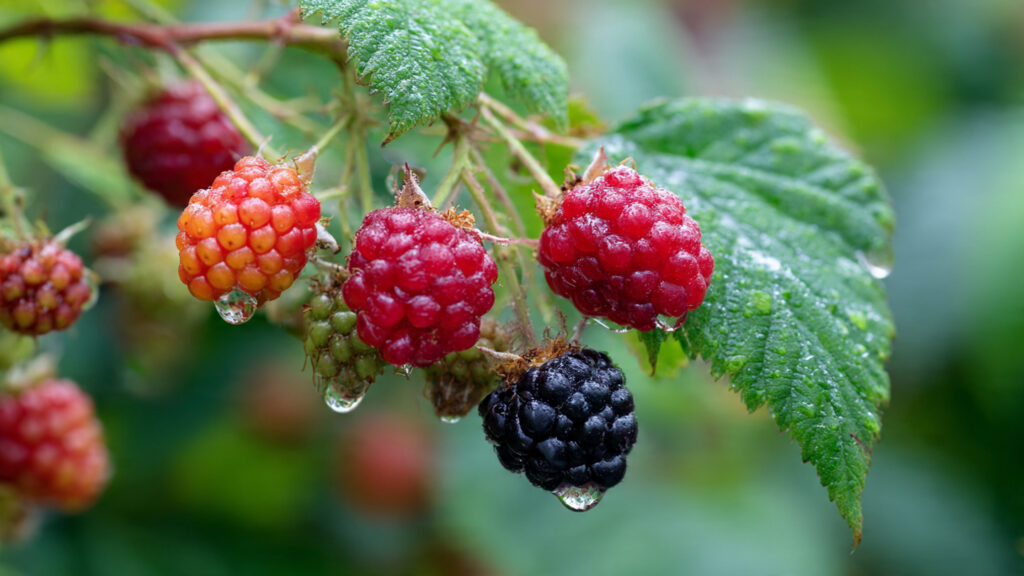
Berry bushes—whether raspberries, blackberries, blueberries, or currants—are prized in home gardens for their sweet, nutritious fruit. However, many gardeners struggle with low yields, thorny tangles, or diseased plants, often due to improper pruning. Pruning is not just about shaping your bushes; it is a vital cultural practice that influences plant health, fruit quality, and overall productivity. Done correctly, pruning allows your berry bushes to thrive, produce abundant harvests, and remain disease-resistant for years. This ultimate guide will walk you through the essential techniques and tips to prune your berry bushes effectively for maximum yield and long-term health.
Why Pruning is Essential for Berry Bushes
Pruning is much more than trimming away excess growth. Its benefits extend to the following:
- Improved Air Circulation: Thinning dense canopies reduces humidity and helps prevent fungal infections and pests.
- Sunlight Penetration: Properly pruned bushes allow sunlight to reach all branches, improving fruit ripening and sweetness.
- Encouraging New Growth: Cutting back old or weak canes stimulates new shoots that will bear the next season’s fruit.
- Maintaining Shape: A well-structured bush is easier to manage, harvest, and maintain.
- Increasing Fruit Size and Quality: By reducing overcrowding, the plant can focus its energy on fewer but higher-quality berries.
Understanding these principles highlights why pruning is a cornerstone of successful berry gardening.
Knowing Your Berry Bush Type
Pruning techniques vary depending on the type of berry bush:
- Raspberries: These are categorized as summer-bearing (fruit on 2-year-old canes) and everbearing (fruit on 1-year-old and 2-year-old canes).
- Blackberries: Similar to raspberries, fruit develops on 2-year-old canes. Thornless varieties are easier to prune but require the same principles.
- Blueberries: Fruit on 1-year-old wood; heavy pruning encourages new shoots and larger berries.
- Currants and Gooseberries: Fruit on 1- to 3-year-old wood, so selective thinning is essential.
Knowing your bush type ensures you prune at the right time and in the right way to maximize fruiting potential.
When to Prune Berry Bushes
Timing is critical for effective pruning:
- Late Winter or Early Spring: For most berry bushes, this is ideal, while the plants are dormant. Pruning during dormancy minimizes stress and reduces disease risk.
- After Harvest: Some everbearing raspberries can benefit from light pruning in late summer or fall, removing spent fruiting canes.
- Avoid Frost: Pruning too early in cold climates can expose tender new shoots to frost damage.
By pruning at the correct time, you set your berry bushes up for a productive season without compromising health.
Essential Tools for Pruning
Using the right tools ensures clean cuts, reduces damage, and improves plant recovery:
- Pruning Shears: Ideal for small branches and precise cuts.
- Loppers: Used for thicker canes that are too large for hand shears.
- Pruning Saw: Necessary for older, woody stems that cannot be cut with smaller tools.
- Gloves: Protect hands from thorns and prickly branches.
- Disinfectant: Clean tools before and after pruning to prevent disease transmission.
Sharp, clean tools make pruning safer, faster, and more effective.
Pruning Techniques by Berry Type
Raspberries and Blackberries
- Remove Dead or Damaged Canes: Cut old, diseased, or broken canes at ground level.
- Thin Crowded Canes: Keep 4–6 strong canes per foot of row for summer-bearing varieties.
- Tip Pruning: For everbearing raspberries, cut back tips of new canes in late spring to encourage branching.
- Shorten Lateral Branches: Reduce side shoots to 12–18 inches to stimulate fruiting.
- Support Canes: Tie remaining canes to trellises to maintain structure and improve sunlight exposure.
These practices maximize fruit production and simplify harvesting.
Blueberries
- Remove Weak or Diseased Wood: Cut out 1–3 of the oldest canes each year to encourage new growth.
- Thin Dense Growth: Remove inner canes to open the bush for light and airflow.
- Shape the Bush: Maintain an upright, vase-like form to facilitate harvesting and sunlight penetration.
- Shorten Excessively Long Shoots: Prune long, unproductive shoots to promote fruiting on new wood.
- Annual Maintenance: Prune lightly every year to maintain balance between leaf and fruit production.
Proper blueberry pruning increases berry size and enhances flavor.
Currants and Gooseberries
- Remove Old Wood: Keep a balance of 1-, 2-, and 3-year-old branches to ensure continuous production.
- Thin Excess Growth: Space canes to reduce competition and disease risk.
- Shorten Overgrown Shoots: Prune lateral branches to 6–12 inches to encourage fruiting spurs.
- Maintain an Open Center: This prevents fungal infections and makes harvesting easier.
Regular pruning encourages both quantity and quality of fruit.
General Pruning Tips for All Berry Bushes
- Make Clean Cuts: Avoid tearing or crushing branches, which can lead to disease.
- Angle Cuts Slightly: Cut at a 45-degree angle just above a bud facing outward to encourage healthy growth.
- Sanitize Tools: Wipe tools with rubbing alcohol or bleach solution to prevent spreading disease.
- Dispose of Removed Material: Remove pruned canes and leaves from the garden to minimize pest and disease problems.
- Observe Plant Response: Watch how bushes react each season and adjust pruning intensity accordingly.
Following these universal tips ensures that pruning is both safe and effective.
Supporting Fruit Production After Pruning
Pruning alone is not enough to maximize berry yield. Follow-up care is critical:
- Fertilization: Apply balanced fertilizers in spring and mid-season to support vigorous growth and fruit development.
- Mulching: Use organic mulch to retain moisture, suppress weeds, and enrich the soil.
- Watering: Ensure consistent moisture, especially during flowering and fruiting stages.
- Pest Management: Monitor for aphids, mites, or fungal infections and treat early to prevent crop loss.
Pruning combined with proper care ensures your berry bushes reach full fruiting potential.
➡️ How to Grow Malabar Spinach from Cuttings for Fast, Easy Greens
➡️ How to Grow Super Delicious Cabbage at Home Without a Garden
➡️ How to Grow Bean Sprouts at Home in Plastic Bottles Easily (Step‑by‑Step Guide)
➡️ Why is Your Lemon Tree Blooming in the Heart of Winter?
➡️ Why Should Your Garden Have a Dedicated Pollinator Highway?
➡️ Why Do Your Fruit Trees Need a Winter Wash to Thrive in Spring?
➡️ How Can Rice Water Transform Your Fruits into Sweeter Delights?
➡️ Jumpstart Your Winter Garden: Seed Starting Under Lights
Benefits of Regular Pruning
- Increased Yield: Pruned bushes allocate energy more efficiently, producing larger, tastier fruit.
- Improved Plant Health: Reduces disease, removes dead tissue, and prevents overcrowding.
- Longer Lifespan: Properly maintained bushes remain productive for many years.
- Ease of Harvesting: Well-structured bushes allow easy access to ripe berries without damaging branches.
- Enhanced Aesthetic: Pruned bushes look neat, tidy, and appealing in any garden.
The benefits of pruning extend beyond immediate harvest, creating long-term productivity and garden beauty.
Common Mistakes to Avoid
- Pruning at the Wrong Time: Dormant pruning is essential; pruning during active fruiting can reduce yield.
- Over-Pruning: Removing too many canes weakens the plant and reduces fruit production.
- Neglecting Dead Wood: Leaving diseased or old canes increases risk of pests and lowers yield.
- Ignoring Plant Type: Using the wrong pruning technique for a specific berry species can hinder growth and fruiting.
Avoiding these mistakes ensures your pruning efforts lead to a thriving, fruitful garden.
Conclusion
Pruning is a critical practice for berry gardeners aiming for maximum yield and long-term plant health. By understanding the specific needs of your berry type, using the right tools, and following proper timing and techniques, you can encourage vigorous growth, prevent disease, and produce abundant, high-quality fruit year after year.
Whether you grow raspberries, blackberries, blueberries, or currants, regular pruning combined with attentive care—fertilization, watering, mulching, and pest management—creates a thriving berry garden. Over time, your carefully pruned bushes will reward you with larger, tastier, and more plentiful harvests, making all your efforts worthwhile.
With patience, observation, and consistent pruning, your berry bushes can achieve their full potential, transforming your garden into a bountiful source of fresh, delicious berries season after season.