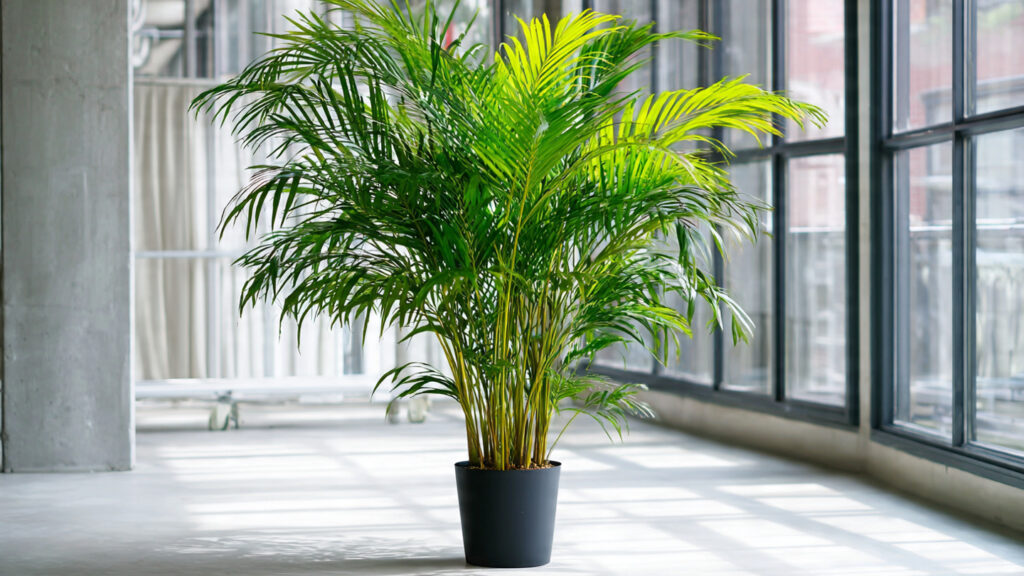
The Areca Palm (Dypsis lutescens), also known as the butterfly palm or golden cane palm, is one of the most popular indoor palms for modern homes and offices. Its elegant, feathery fronds and graceful upright growth add a touch of tropical beauty and sophistication to any interior. Beyond aesthetics, the Areca Palm is known for its air-purifying properties, making it a perfect choice for indoor environments where both visual appeal and wellness are priorities.
One of the most impressive qualities of the Areca Palm is its adaptability. Unlike many tropical plants that demand bright, direct sunlight, Areca Palms can thrive in low-light environments, making them ideal for offices, apartments, and rooms with limited natural light. With the right care and attention, you can cultivate a lush, healthy Areca Palm that transforms even the dimmest spaces into a green oasis.
This ultimate guide will explore everything you need to know to successfully grow Areca Palms in low-light indoor environments while maximizing their visual impact and health.
Understanding the Areca Palm
The Areca Palm is a clumping, multi-stemmed palm that naturally grows in tropical and subtropical climates. In its native habitat of Madagascar, it can reach heights of 20–30 feet outdoors. However, when grown indoors in containers, it typically grows to 6–10 feet, making it suitable for living rooms, offices, and indoor atriums.
Key characteristics that make the Areca Palm ideal for indoor use include:
- Feathery, arching fronds: Adds elegance and tropical charm.
- Clumping growth habit: Creates a natural, full appearance in containers.
- Air-purifying abilities: Removes toxins such as formaldehyde and xylene from indoor air.
- Tolerance for low light: Can adapt to areas with indirect or filtered sunlight.
Understanding its growth habits helps gardeners provide the ideal environment and achieve stunning indoor aesthetics.
Choosing the Right Areca Palm Variety
For indoor low-light cultivation, certain Areca Palm varieties perform better:
- Dypsis lutescens (Standard Areca Palm): Best for indoor containers; adapts well to indirect light.
- Golden Areca Palm: Has slightly lighter, golden-green fronds that brighten dim spaces.
- Miniature Areca Palm: Compact, ideal for small rooms or office corners.
Selecting the right variety ensures manageable growth and optimal indoor performance.
Selecting the Right Container
Container choice is critical for successful low-light cultivation:
- Size: Start with a pot 12–16 inches in diameter for young palms. Mature plants may require 18–24 inch containers.
- Material: Lightweight plastic or resin is easy to move, while ceramic or terracotta provides stability but can dry out faster.
- Drainage: Multiple drainage holes are essential. Areca Palms are highly susceptible to root rot if soil remains waterlogged.
The container should provide both space for root expansion and stability to support tall fronds.
Soil Requirements
The soil must balance moisture retention and drainage:
- Well-draining potting mix: A combination of peat moss, perlite, and sand ensures aeration and prevents waterlogging.
- Slightly acidic to neutral pH: Maintain pH between 6.0 and 7.0 for optimal nutrient uptake.
- Avoid heavy garden soil: Dense soil can suffocate roots, especially in low-light conditions where evaporation is slower.
Refreshing the top layer of soil or repotting every 1–2 years prevents nutrient depletion and maintains health.
Light Requirements for Low-Light Environments
While Areca Palms tolerate low light, they still need indirect or filtered sunlight for healthy growth:
- Indirect Natural Light: Place the palm near a north or east-facing window. Avoid direct sun, which can scorch the fronds.
- Artificial Light Supplementation: In rooms with minimal natural light, fluorescent or LED grow lights provide 12–14 hours of light daily.
- Rotate the Plant: Turn the pot periodically to ensure even growth and prevent fronds from leaning toward the light source.
Proper light ensures lush foliage, prevents yellowing leaves, and encourages fuller growth.
Watering Low-Light Areca Palms
Watering is critical for palms in low-light areas because overwatering can easily lead to root rot:
➡️ How to Grow Malabar Spinach from Cuttings for Fast, Easy Greens
➡️ How to Grow Super Delicious Cabbage at Home Without a Garden
➡️ How to Grow Bean Sprouts at Home in Plastic Bottles Easily (Step‑by‑Step Guide)
➡️ Why is Your Lemon Tree Blooming in the Heart of Winter?
➡️ Why Should Your Garden Have a Dedicated Pollinator Highway?
➡️ Why Do Your Fruit Trees Need a Winter Wash to Thrive in Spring?
➡️ How Can Rice Water Transform Your Fruits into Sweeter Delights?
➡️ Jumpstart Your Winter Garden: Seed Starting Under Lights
- Frequency: Water when the top 1–2 inches of soil feel dry. In low-light rooms, evaporation is slower, so adjust accordingly.
- Technique: Water at the base, avoiding wetting the crown to prevent fungal infections.
- Drainage Check: Empty excess water from saucers to prevent stagnation.
Consistent, moderate watering supports healthy roots and maintains vibrant fronds.
Fertilization
Areca Palms benefit from regular, balanced feeding:
- Fertilizer Type: Use a slow-release or water-soluble fertilizer formulated for palms. Look for NPK ratios like 8-2-12 or 10-10-10.
- Micronutrients: Include magnesium, manganese, and iron to prevent yellowing tips, which are common in low-light conditions.
- Frequency: Fertilize monthly during the growing season and reduce feeding in winter when growth slows.
Proper fertilization promotes fuller fronds and enhances overall plant health.
Pruning and Grooming
Low-light Areca Palms require minimal pruning but benefit from occasional maintenance:
- Remove Dead or Yellow Leaves: Trim fronds at the base using clean scissors or pruning shears.
- Shape the Plant: Remove older fronds to maintain a neat, elegant appearance.
- Control Height: While palms grow slowly indoors, trimming tips can prevent legginess in confined spaces.
Regular grooming ensures the palm looks lush, healthy, and visually appealing in indoor environments.
Temperature and Humidity
Areca Palms are tropical and prefer stable indoor climates:
- Temperature: Ideal range is 65–75°F (18–24°C). Avoid temperatures below 55°F (13°C).
- Humidity: Moderate to high humidity (40–60%) encourages healthy fronds. Low indoor humidity can cause brown tips.
- Humidity Solutions: Use pebble trays, mist leaves lightly, or employ a humidifier in very dry rooms.
Maintaining stable conditions reduces stress and enhances the palm’s ability to thrive in low light.
Pest and Disease Management
Even indoor palms can face occasional pests:
- Common Pests: Spider mites, mealybugs, and scale insects. Treat with neem oil or insecticidal soap.
- Fungal Issues: Root rot or leaf spot can occur if soil is overly wet or airflow is poor.
- Preventive Measures: Ensure proper drainage, avoid overwatering, and maintain good air circulation.
Early detection and action prevent long-term damage.
Repotting Areca Palms
Repotting supports root health and maintains aesthetics:
- Frequency: Every 2–3 years or when the plant becomes root-bound.
- Technique: Choose a pot one size larger than the current container. Carefully transfer the root ball to fresh soil without damaging the roots.
- Aftercare: Water lightly and place in indirect light for the first few weeks to reduce transplant shock.
Repotting keeps the palm vigorous and encourages fuller growth.
Enhancing Indoor Aesthetics
Areca Palms are not only functional as air purifiers but also as decorative focal points:
- Corner Placement: Tall fronds fill empty corners, adding vertical interest.
- Grouping: Place multiple palms together for a mini indoor tropical garden.
- Complementary Plants: Pair with low-light understory plants like ferns or pothos for layered greenery.
- Decorative Containers: Use stylish pots or planters to match interior décor and elevate the visual impact.
Proper placement and styling transform even dim rooms into lush, inviting spaces.
Common Issues in Low-Light Cultivation
Low-light environments can present challenges:
- Leggy Growth: Fronds stretch toward light; supplement with artificial lighting and rotate the plant.
- Yellowing Tips: Caused by inconsistent watering, low humidity, or nutrient deficiencies. Adjust care accordingly.
- Slow Growth: Normal in low light; focus on maintaining health rather than rapid growth.
Understanding these issues allows gardeners to take corrective action and maintain a healthy palm.
Conclusion
Cultivating Areca Palms in low-light environments is a rewarding way to enhance indoor aesthetics while improving air quality. By providing moderate indirect light, proper soil and drainage, balanced watering, and regular fertilization, even rooms with minimal sunlight can host a lush, tropical palm.
Routine pruning, humidity management, and careful pest monitoring ensure your Areca Palm remains healthy and visually striking. With patience and consistent care, this versatile plant becomes a centerpiece of indoor décor, offering elegance, greenery, and a touch of tropical paradise to any space.
Whether you are decorating a dim office corner, a cozy apartment living room, or a sunroom with limited direct sunlight, the Areca Palm is an exceptional choice. Its resilience, graceful form, and air-purifying qualities make it one of the ultimate low-light indoor plants, turning even modest spaces into lush, green retreats.