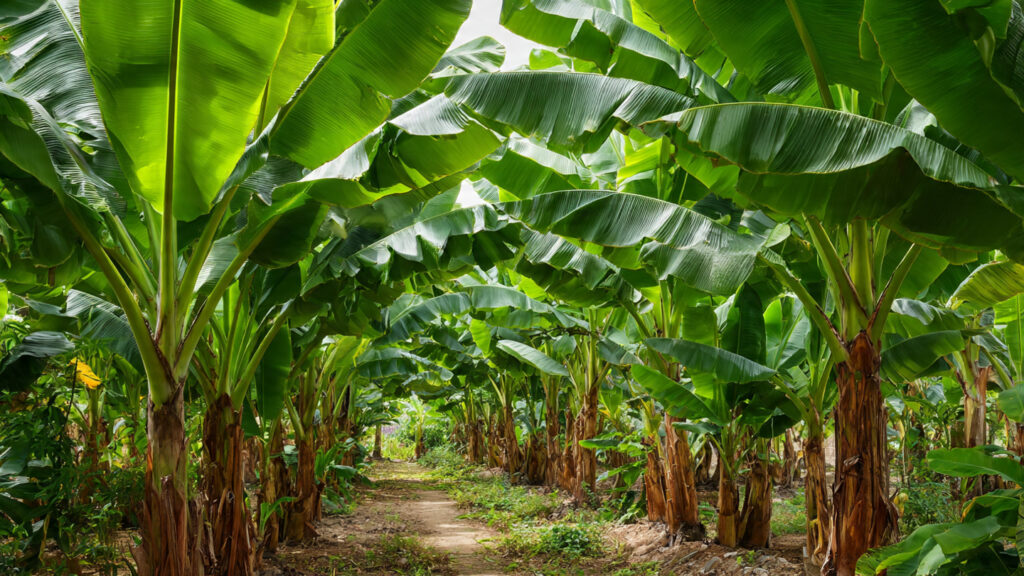
Ornamental banana plants (Musa ornata) are striking tropical plants prized for their large, lush leaves, vibrant pseudo-stems, and occasional decorative flowers. While they don’t always produce edible fruit, ornamental banana clumps create a bold, exotic statement in any garden. Their architectural foliage and rapid growth make them ideal for creating a tropical oasis in both small and large outdoor spaces. Successfully cultivating these plants requires understanding their growth patterns, soil requirements, watering needs, and proper maintenance techniques.
This ultimate guide provides step-by-step instructions on establishing and nurturing ornamental banana clumps to achieve a lush, healthy garden display. From planting to fertilization, pruning, and pest management, these methods ensure your banana plants thrive year-round.
Understanding Ornamental Banana Clumps
Ornamental bananas grow in clumps, a natural habit where multiple stems or “pups” emerge from a central rhizome. Key characteristics include:
- Rapid Growth: Under optimal conditions, new stems emerge quickly, creating dense, dramatic foliage.
- Tropical Foliage: Large, broad leaves can reach several feet in length, adding visual impact.
- Pseudostems: The thick, layered “stems” are formed by leaf bases wrapped tightly together.
- Occasional Flowers: Some varieties, like Musa ornata, produce striking pink or purple ornamental flowers.
- Clumping Habit: Unlike cultivated bananas, ornamental varieties do not usually spread aggressively, making them ideal for structured garden designs.
Understanding these growth traits helps gardeners provide ideal conditions for lush clump development.
Step 1: Selecting the Right Variety
Choosing the correct ornamental banana variety ensures compatibility with your garden environment:
- Musa ornata: Known for pink flowers and medium-sized leaves, ideal for garden focal points.
- Musa velutina: Small, pink-fruiting ornamental variety, suitable for containers or small spaces.
- Musa basjoo: Hardy in cooler climates, forms large green clumps with dramatic foliage.
Select a variety that suits your climate, garden size, and aesthetic preferences for optimal results.
Step 2: Choosing the Perfect Location
Ornamental bananas thrive in tropical and subtropical conditions but can adapt to temperate climates with care:
- Sunlight: Full sun encourages vigorous growth, but some afternoon shade protects leaves from scorching in hot climates.
- Shelter: Provide protection from strong winds, which can tear broad leaves.
- Space Requirements: Allow 3–5 feet between clumps to accommodate spreading leaves and multiple stems.
- Soil Temperature: Warm, well-drained soil is essential. Cold or waterlogged soil can stunt growth.
A suitable location ensures healthy stems, large leaves, and a vibrant clump.
Step 3: Soil Preparation
Fertile, well-draining soil supports clump expansion and leaf production:
- Soil Type: Loamy, sandy-loam, or organic-rich soil is ideal.
- pH Range: Slightly acidic to neutral (6.0–7.0) encourages optimal nutrient uptake.
- Organic Matter: Incorporate compost, well-rotted manure, or leaf mold to retain moisture and enhance fertility.
- Drainage: Ensure soil does not retain standing water; banana roots are prone to rot.
Proper soil preparation sets the foundation for strong, dense clump growth.
Step 4: Planting Banana Clumps
Planting technique affects establishment and long-term growth:
- Planting Depth: Place the rhizome at soil level, ensuring the base of stems is just above soil.
- Spacing: Leave 3–5 feet between clumps to allow room for leaf expansion and new shoots.
- Watering: Water immediately after planting to settle soil around roots.
- Mulching: Apply 2–3 inches of organic mulch around the base to conserve moisture and suppress weeds.
Correct planting promotes rapid establishment and reduces transplant shock.
Step 5: Watering Techniques
Ornamental bananas require consistent moisture for lush leaf growth:
- Young Clumps: Keep soil evenly moist, avoiding waterlogging.
- Mature Plants: Deep watering 2–3 times per week during dry periods supports leaf expansion.
- Container Plants: Ensure adequate drainage; excess water can damage roots.
- Mulch: Helps retain soil moisture and maintains stable root temperatures.
Balanced watering reduces stress and supports vigorous clump growth.
Step 6: Fertilization and Nutrient Management
Bananas are heavy feeders, and ornamental varieties are no exception:
➡️ How to Grow Malabar Spinach from Cuttings for Fast, Easy Greens
➡️ How to Grow Super Delicious Cabbage at Home Without a Garden
➡️ How to Grow Bean Sprouts at Home in Plastic Bottles Easily (Step‑by‑Step Guide)
➡️ Why is Your Lemon Tree Blooming in the Heart of Winter?
➡️ Why Should Your Garden Have a Dedicated Pollinator Highway?
➡️ Why Do Your Fruit Trees Need a Winter Wash to Thrive in Spring?
➡️ How Can Rice Water Transform Your Fruits into Sweeter Delights?
➡️ Jumpstart Your Winter Garden: Seed Starting Under Lights
- Nitrogen: Promotes leaf and stem growth.
- Phosphorus: Supports root establishment and flower formation.
- Potassium: Essential for overall plant vigor and leaf color.
- Organic Options: Apply compost, liquid seaweed extract, or well-rotted manure regularly.
- Frequency: Fertilize every 4–6 weeks during the growing season.
Proper nutrition ensures large leaves, dense clumps, and vibrant foliage color.
Step 7: Encouraging Clump Expansion
Ornamental bananas naturally produce “pups” from the base:
- Pup Management: Allow 2–3 strong pups per clump for dense growth. Remove weaker shoots to focus energy on main stems.
- Transplanting Pups: Carefully dig up healthy pups and plant separately to expand your garden display.
- Clump Spacing: Maintain sufficient distance between parent clumps and transplanted pups.
Encouraging pup growth accelerates clump density and enhances visual appeal.
Step 8: Pruning and Leaf Maintenance
Pruning promotes healthy growth and prevents overcrowding:
- Remove Damaged Leaves: Cut yellow, torn, or diseased leaves to reduce stress and improve airflow.
- Prune Old Stems: Older stems that have flowered or declined can be removed to focus energy on new shoots.
- Control Clump Shape: Trim selectively to maintain desired aesthetic and prevent sprawling.
Regular pruning enhances plant vigor, prevents disease, and maintains an attractive garden display.
Step 9: Protecting Clumps from Cold and Frost
While tropical in origin, many ornamental bananas can survive cooler climates with protection:
- Mulching: Thick layers of straw or leaves insulate rhizomes in winter.
- Temporary Covers: Use frost cloths or garden fabric during cold snaps.
- Container Options: Move potted plants indoors or into sheltered areas during frost.
Proper winter protection ensures perennial growth and reduces stress-related damage.
Step 10: Pest and Disease Management
Healthy clumps are less prone to pests and disease:
- Common Pests: Aphids, spider mites, and banana weevils can affect growth.
- Diseases: Leaf spot, bacterial wilt, and root rot may occur under poor conditions.
- Preventive Measures: Ensure adequate spacing, avoid waterlogging, and remove infected leaves.
- Organic Controls: Neem oil, insecticidal soap, and beneficial insects can manage common pests naturally.
Vigilant pest and disease management preserves clump health and supports lush growth.
Step 11: Flowering and Decorative Appeal
Ornamental bananas produce showy flowers, adding visual interest:
- Flowering Timing: Many varieties bloom once plants are mature, often 1–2 years after planting.
- Support Flower Development: Maintain consistent water and nutrients; avoid excessive nitrogen.
- Flower Observation: Enjoy blooms for their ornamental value; even if fruit is not edible, flowers enhance garden aesthetics.
Flowering adds seasonal appeal and showcases the exotic character of banana clumps.
Step 12: Harvesting and Propagation
While primarily ornamental, propagation maintains clump density:
- Pup Harvest: Separate and replant pups to expand your garden or share with other gardeners.
- Leaf Maintenance: Remove damaged leaves regularly to enhance clump appearance.
- Controlled Propagation: Limit pup removal to 2–3 per clump to avoid weakening the parent plant.
Propagation ensures a continuous supply of lush ornamental banana clumps for the garden.
Step 13: Seasonal Care
Adjust care according to growth stage and season:
- Spring: Fertilize, prune, and mulch for vigorous growth.
- Summer: Maintain watering and monitor for pests.
- Autumn: Cut back old stems and prepare for cooler temperatures.
- Winter: Protect roots from frost with mulch or covers.
Seasonal attention ensures year-round vitality and visually appealing clumps.
Step 14: Benefits of Growing Ornamental Banana Clumps
Cultivating ornamental banana clumps offers multiple advantages:
- Tropical Appeal: Large leaves and vibrant stems create an exotic garden feel.
- Rapid Growth: Clumps expand quickly, filling garden space efficiently.
- Low Maintenance: Once established, plants are hardy with minimal care.
- Propagation Opportunities: Pups allow easy expansion of your garden or gifting to others.
- Ecosystem Benefits: Provide shelter for pollinators and enhance urban biodiversity.
Ornamental bananas are a rewarding addition to any garden, providing beauty, structure, and tropical flair.
Final Thoughts
Successfully cultivating ornamental banana clumps requires understanding their tropical growth habits and providing optimal soil, water, nutrients, and seasonal care. By following these steps—selecting the right variety, preparing soil, planting correctly, managing water and fertilizer, and protecting plants from stress—you can achieve lush, dense clumps that create a dramatic garden focal point.
Key takeaways:
- Choose a suitable ornamental banana variety for your garden and climate.
- Prepare fertile, well-draining soil with adequate organic matter.
- Plant rhizomes carefully and provide sufficient space for clump expansion.
- Water consistently and fertilize regularly to support rapid growth.
- Prune, manage pups, and protect against pests and frost.
- Enjoy striking foliage and seasonal flowers that elevate garden aesthetics.
With patience and proper care, your ornamental banana clumps will thrive, producing lush foliage, vibrant flowers, and a stunning tropical presence in your garden.