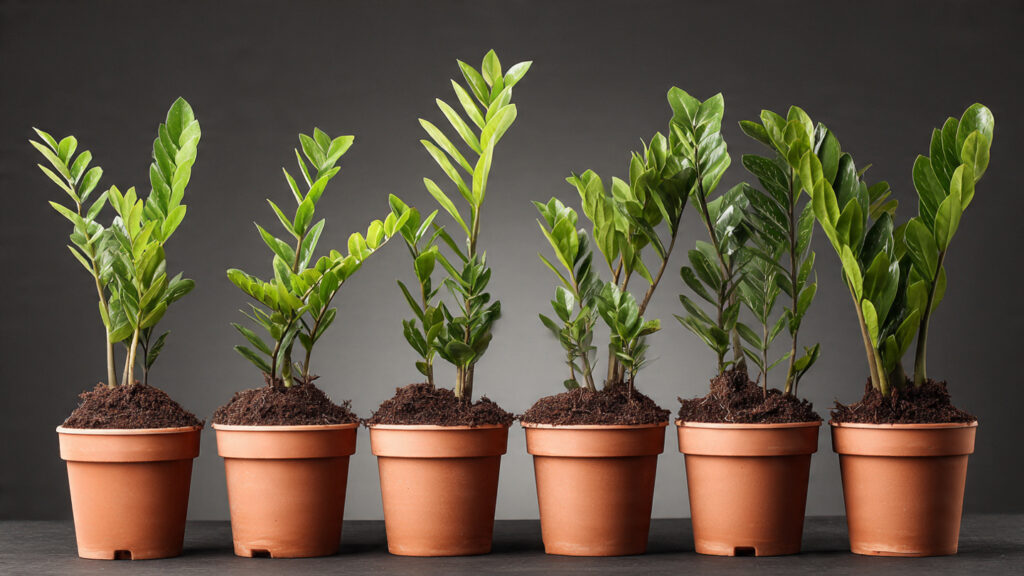
The ZZ plant, or Zamioculcas zamiifolia, is a resilient and low-maintenance plant widely admired for its glossy, dark green leaves and ability to thrive under a range of conditions. While commonly grown as an indoor ornamental plant, ZZ plants are increasingly being used in outdoor mass plantations due to their adaptability, aesthetic appeal, and low maintenance requirements. Whether you are a commercial grower, landscaper, or gardening enthusiast, cultivating ZZ plants outdoors in diverse climates requires careful planning, the right techniques, and knowledge of environmental factors. This ultimate guide will walk you through everything you need to know to establish a successful outdoor ZZ plantation.
Why ZZ Plants Are Ideal for Outdoor Mass Plantations
ZZ plants have gained popularity for outdoor landscaping and large-scale plantations because of several unique traits:
- Extreme Hardiness: ZZ plants can survive drought, low light, and poor soil conditions, making them suitable for diverse climate zones.
- Low Maintenance: They require minimal watering and fertilization, reducing labor and operational costs for large-scale projects.
- Aesthetic Value: Their glossy, symmetrical leaves provide a lush green backdrop for gardens, parks, commercial landscapes, and public spaces.
- Air Purifying Qualities: ZZ plants can improve air quality by removing toxins, even in outdoor urban environments.
These qualities make ZZ plants perfect for mass plantations, especially in areas where traditional plants may struggle due to climate extremes.
Understanding Climate Requirements
Although ZZ plants are highly adaptable, understanding the climatic conditions is crucial for successful outdoor cultivation:
- Temperature: ZZ plants thrive in temperatures ranging from 18°C to 30°C (65°F to 86°F). They can tolerate occasional dips to 10°C (50°F) but prolonged frost can damage leaves and rhizomes.
- Light Requirements: ZZ plants prefer partial shade to indirect sunlight. While they can survive full sun, excessive direct exposure in hot climates may cause leaf scorching. In cooler regions, full sun can enhance growth.
- Humidity: Moderate humidity is ideal. ZZ plants are tolerant of low humidity, making them suitable for arid and semi-arid regions.
By matching the plantation site with these climatic factors, you can ensure healthy, vigorous growth and minimal plant stress.
Site Selection and Soil Preparation
Choosing the right site and preparing the soil are the foundation of successful mass ZZ plant cultivation:
- Soil Type: ZZ plants prefer well-drained soils. Sandy loam or loamy soils enriched with organic matter are ideal. Avoid waterlogged clay soils that can cause rhizome rot.
- Soil pH: A slightly acidic to neutral pH (6.0–7.5) promotes optimal nutrient uptake.
- Drainage: Ensure natural drainage or create raised beds to prevent water stagnation. ZZ plants are drought-tolerant but extremely sensitive to waterlogging.
- Spacing for Mass Plantation: Plant ZZ plants at 30–45 cm (12–18 inches) apart for dense plantations, ensuring adequate airflow and minimizing disease spread.
Proper site and soil preparation increase plant survival rates and reduce the need for future maintenance.
Propagation Methods for Large-Scale Plantations
To establish a ZZ plant plantation efficiently, choose propagation methods that ensure uniform growth:
1. Division of Rhizomes
- Method: Carefully separate rhizomes from mature plants, ensuring each segment has at least one healthy shoot.
- Advantages: Produces genetically identical plants with guaranteed vigor.
- Best For: Commercial plantations where uniformity is critical.
2. Leaf Cuttings
- Method: Cut healthy leaves, plant them in a well-draining medium, and maintain moderate humidity. Rooting occurs over several weeks.
- Advantages: Cost-effective and suitable for mass propagation.
- Consideration: Slower compared to rhizome division and may result in smaller plants initially.
3. Tissue Culture (Advanced Technique)
- Method: Laboratory-based method where plantlets are cultured from small tissue samples under sterile conditions.
- Advantages: Produces a large number of disease-free plants rapidly.
- Best For: High-value commercial projects with strict quality standards.
Watering and Irrigation Practices
While ZZ plants are drought-tolerant, proper irrigation is essential for outdoor plantations:
- Initial Stage: Water plants regularly during the first 3–6 months to establish roots. Keep the soil slightly moist but not waterlogged.
- Mature Plants: Reduce watering frequency. ZZ plants can survive extended dry periods, but occasional irrigation promotes lush foliage.
- Irrigation Methods: Drip irrigation or soaker hoses are recommended for mass plantations to conserve water and maintain soil moisture evenly.
Proper water management ensures healthy growth without the risk of rhizome rot or fungal infections.
Fertilization for Vigorous Growth
ZZ plants are low-maintenance but respond well to balanced nutrients:
- Recommended Fertilizer: Use a balanced NPK fertilizer (10:10:10) or organic compost during the growing season.
- Frequency: Fertilize every 2–3 months for outdoor plantations. Avoid over-fertilization, which can damage roots.
- Micronutrients: Zinc, magnesium, and iron supplementation can enhance leaf color and overall plant vigor.
Healthy, nutrient-rich soil supports dense foliage, uniform growth, and long-lasting plantations.
Pest and Disease Management
ZZ plants are naturally resistant to many pests, but outdoor plantations may still face challenges:
- Common Pests: Aphids, mealybugs, and spider mites. Regular inspection and natural remedies like neem oil help control infestations.
- Diseases: Root rot caused by waterlogging is the most common disease. Proper drainage and moderate watering prevent this issue.
- Preventive Measures: Mulching and spacing plants adequately improve airflow, reducing disease risk.
A proactive approach ensures sustainable plantations with minimal chemical interventions.
Maintenance Practices for Outdoor ZZ Plant Plantations
To maintain lush, uniform ZZ plant plantations, follow these practical tips:
➡️ How to Grow Malabar Spinach from Cuttings for Fast, Easy Greens
➡️ How to Grow Super Delicious Cabbage at Home Without a Garden
➡️ How to Grow Bean Sprouts at Home in Plastic Bottles Easily (Step‑by‑Step Guide)
➡️ Why is Your Lemon Tree Blooming in the Heart of Winter?
➡️ Why Should Your Garden Have a Dedicated Pollinator Highway?
➡️ Why Do Your Fruit Trees Need a Winter Wash to Thrive in Spring?
➡️ How Can Rice Water Transform Your Fruits into Sweeter Delights?
➡️ Jumpstart Your Winter Garden: Seed Starting Under Lights
- Regular Cleaning: Remove dead leaves and debris to prevent pest and disease buildup.
- Pruning: Trim damaged or elongated leaves to maintain uniform appearance.
- Mulching: Apply organic mulch around plants to conserve soil moisture, suppress weeds, and regulate temperature.
- Monitoring Growth: Regularly check for signs of stress, nutrient deficiency, or pest infestation. Early intervention ensures healthy plantations.
Consistent maintenance reduces long-term labor and promotes a visually appealing landscape.
Environmental Adaptations for Diverse Climates
Outdoor ZZ plantations can thrive in a variety of climates if the following adaptations are applied:
- Hot Climates: Provide partial shade during peak sun hours to prevent leaf scorching.
- Cold Climates: Use protective covers or grow in raised beds to avoid frost damage.
- Arid Regions: Drip irrigation combined with mulching helps retain soil moisture.
- Humid Regions: Ensure proper spacing and airflow to prevent fungal infections.
Adapting plantation practices to local climate conditions maximizes plant survival and productivity.
Benefits of Outdoor Mass ZZ Plantations
Investing in ZZ plant mass plantations offers multiple advantages:
- Low Operational Cost: Minimal watering, fertilization, and labor reduce maintenance expenses.
- Sustainable Landscaping: ZZ plants require fewer resources, promoting eco-friendly green spaces.
- High Commercial Value: Their aesthetic appeal makes them desirable for urban landscaping, parks, and commercial projects.
- Year-Round Appeal: Evergreen foliage ensures plantations remain attractive in all seasons.
These benefits make ZZ plants a practical and profitable choice for large-scale outdoor plantations.
Final Thoughts
Cultivating ZZ plants outdoors on a mass scale is an excellent strategy for sustainable landscaping and commercial gardening. Their natural resilience, adaptability, and low-maintenance requirements make them suitable for diverse climate conditions. By following best practices in site selection, soil preparation, propagation, watering, fertilization, and maintenance, you can establish healthy, uniform, and visually stunning plantations that thrive year-round.
Whether you are creating green belts, beautifying public spaces, or setting up a commercial ZZ plant nursery, this guide provides the knowledge and techniques needed for long-term success. With careful planning, regular monitoring, and a strategic approach to climate adaptation, your outdoor ZZ plant plantation can become a lush, evergreen masterpiece admired by all.