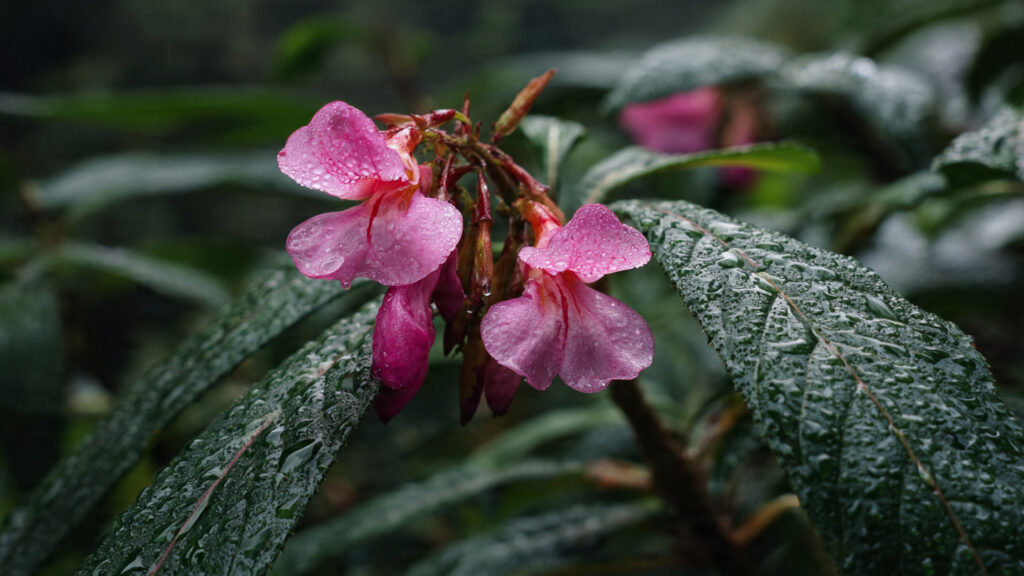
Monsoon is a magical time for gardeners. The soil smells fresh, the air feels alive, and plants seem to grow almost overnight. Among the many flowers that thrive during this season, balsam stands out as one of the easiest and most rewarding choices. Known for its bright blooms and low maintenance needs, balsam is perfect for beginners and experienced gardeners alike.
In this ultimate guide, you’ll learn everything you need to know about growing balsam successfully during the monsoon season—from choosing seeds to enjoying a garden full of vibrant flowers.
What Is Balsam?
Balsam, scientifically known as Impatiens balsamina, is a fast-growing annual flowering plant. It is also commonly called garden balsam, rose balsam, or “touch-me-not” because its ripe seed pods burst open when touched.
This plant is especially popular during the rainy season because it thrives in moist soil and humid weather. Its flowers come in a range of colors, including pink, red, purple, white, and even bi-colored varieties. The blooms resemble small camellias or roses, making them an attractive addition to any garden.
Why Balsam Is Perfect for the Monsoon Season
The monsoon season provides ideal growing conditions for balsam:
- Consistent Moisture: Balsam loves evenly moist soil.
- Warm Temperatures: It thrives in warm, tropical climates.
- High Humidity: Humidity encourages lush growth and abundant flowering.
- Quick Growth Cycle: Balsam grows rapidly and starts flowering within 6–8 weeks of sowing.
For gardeners in regions like Mumbai and other tropical areas, monsoon is the best time to sow balsam seeds directly in the ground.
Choosing the Right Location
Selecting the right spot is crucial for healthy growth.
Sunlight Requirements
Balsam prefers:
- Partial sun to full sun (at least 4–6 hours of sunlight daily).
- In very hot climates, light afternoon shade helps prevent wilting.
During the monsoon, sunlight can be limited due to cloudy skies. Choose a location that receives the maximum available daylight.
Soil Conditions
Balsam grows best in:
- Well-draining soil
- Rich in organic matter
- Slightly acidic to neutral pH (around 6.0–7.0)
Before sowing seeds, mix compost or well-rotted manure into the soil. This improves drainage and provides essential nutrients.
How to Sow Balsam Seeds
One of the biggest advantages of balsam is that it’s incredibly easy to grow from seed.
Step-by-Step Guide
- Prepare the Soil: Loosen the soil to a depth of 6–8 inches. Remove weeds and stones.
- Add Compost: Mix in organic compost to enrich the soil.
- Sow the Seeds: Scatter the seeds evenly on the surface. Do not bury them too deep—just press them lightly into the soil.
- Water Gently: Use a watering can with a fine spray to avoid displacing seeds.
- Spacing: Once seedlings emerge, thin them out to maintain 8–12 inches of spacing between plants.
Germination usually occurs within 5–10 days, especially in warm and moist monsoon conditions.
Growing Balsam in Pots
If you have limited space, balsam grows beautifully in containers.
Container Tips
- Use pots that are at least 8–10 inches deep.
- Ensure proper drainage holes.
- Fill with a good-quality potting mix enriched with compost.
- Place the pot in a sunny balcony or terrace garden.
Container-grown balsam may need slightly more frequent watering than ground-planted ones, especially if the rain does not reach them directly.
➡️ How to Grow Malabar Spinach from Cuttings for Fast, Easy Greens
➡️ How to Grow Super Delicious Cabbage at Home Without a Garden
➡️ How to Grow Bean Sprouts at Home in Plastic Bottles Easily (Step‑by‑Step Guide)
➡️ Why is Your Lemon Tree Blooming in the Heart of Winter?
➡️ Why Should Your Garden Have a Dedicated Pollinator Highway?
➡️ Why Do Your Fruit Trees Need a Winter Wash to Thrive in Spring?
➡️ How Can Rice Water Transform Your Fruits into Sweeter Delights?
➡️ Jumpstart Your Winter Garden: Seed Starting Under Lights
Watering During Monsoon
While monsoon provides natural rainfall, you still need to monitor watering.
- Avoid waterlogging, as excessive standing water can cause root rot.
- If heavy rain persists, ensure proper drainage around plants.
- On dry spells between rains, water moderately to keep soil evenly moist.
The key is balance—balsam enjoys moisture but does not tolerate soggy roots.
Fertilizing for Abundant Blooms
Though balsam is not a heavy feeder, regular feeding encourages better flowering.
- Apply liquid organic fertilizer every 2–3 weeks.
- Alternatively, add a layer of compost around the base once a month.
- Avoid excessive nitrogen, which promotes leafy growth but fewer flowers.
Balanced nutrition helps produce more vibrant and long-lasting blooms.
Supporting Healthy Growth
Balsam plants can grow 1 to 3 feet tall, depending on the variety. Taller plants may need light support.
- Use small stakes if plants start bending.
- Pinch the top tips when plants are young to encourage bushier growth.
- Remove faded flowers to promote continuous blooming.
These simple practices keep your balsam plants compact and full of blossoms.
Common Pests and Diseases
The monsoon season can bring certain challenges.
Common Issues
- Aphids: Small insects that suck sap from stems and leaves.
- Whiteflies: Tiny white insects found under leaves.
- Powdery Mildew: A fungal disease appearing as white powder on leaves.
- Root Rot: Caused by poor drainage and overwatering.
Prevention Tips
- Maintain good air circulation.
- Avoid overcrowding plants.
- Spray neem oil solution every 10–15 days as a preventive measure.
- Remove infected leaves immediately.
Early detection and simple organic treatments usually keep problems under control.
Flowering and Seed Collection
One of the joys of growing balsam is watching it bloom profusely during the rainy season. Flowers typically appear within two months of sowing and continue for several weeks.
After flowering, seed pods develop. When mature, they burst open at the slightest touch.
How to Collect Seeds
- Wait until pods turn slightly yellow or brown.
- Gently cover the pod with your hand before touching.
- Carefully pluck and store seeds in a dry container.
- Keep them in a cool, dry place for the next planting season.
Collecting seeds ensures a continuous supply of balsam for years to come.
Companion Planting Ideas
Balsam pairs well with other monsoon-friendly plants. You can grow it alongside:
- Marigolds
- Zinnias
- Cosmos
- Coleus
Mixing different flowering plants creates a colorful, layered garden that thrives in rainy weather.
Benefits of Growing Balsam
Beyond its beauty, balsam offers several advantages:
- Attracts pollinators like bees and butterflies.
- Requires minimal care.
- Ideal for beginners.
- Self-seeds easily for natural regeneration.
- Adds vibrant color to balconies, terraces, and garden beds.
Its adaptability makes it a favorite among seasonal gardeners.
Tips for Maximum Success
To ensure your balsam plants flourish during the monsoon:
- Sow seeds at the beginning of the rainy season.
- Choose well-draining soil.
- Avoid water stagnation.
- Provide adequate sunlight.
- Feed moderately.
- Keep an eye out for pests.
- Collect seeds before pods burst.
With these simple practices, you’ll enjoy a garden bursting with bright blossoms throughout the rainy months.
Final Thoughts
Growing balsam during the monsoon season is both easy and immensely satisfying. Its rapid growth, colorful flowers, and minimal care requirements make it a perfect choice for seasonal gardening. Whether you have a spacious backyard or a small balcony, balsam can transform your space into a lively floral retreat.
The monsoon season offers nature’s perfect support system—rain, warmth, and humidity. By providing just a little attention and proper drainage, you can enjoy weeks of stunning blooms.