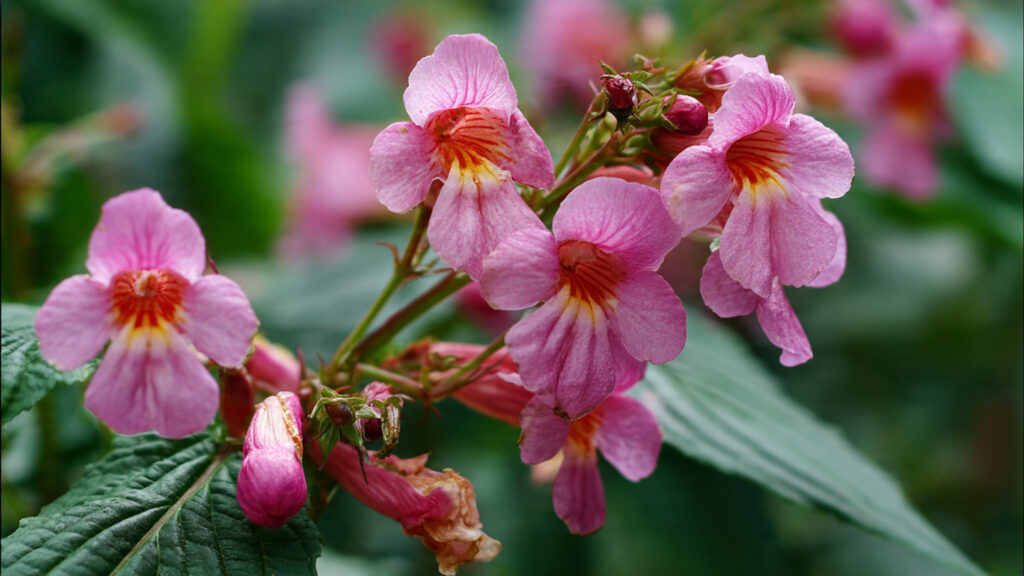
Balsam (Impatiens balsamina), also known as garden balsam or rose balsam, is a beloved ornamental plant cherished for its vibrant flowers and subtle, sweet fragrance. With colors ranging from brilliant reds and pinks to soft purples and whites, balsam is a perfect choice for adding eye-catching appeal to patios, balconies, or small garden spaces. While traditionally grown in garden beds, balsam thrives just as beautifully in containers, offering flexibility, easy mobility, and a concentrated display of color and fragrance. This ultimate guide will provide all the knowledge and tips you need to successfully cultivate balsam in containers and enjoy a flourishing, fragrant display.
Why Choose Container Gardening for Balsam?
Growing balsam in containers offers several advantages over traditional garden beds:
- Mobility: Containers can be moved to optimize sunlight, avoid harsh weather, or bring vibrant flowers indoors.
- Control: Soil quality, moisture, and nutrients are easier to manage in containers than in garden beds.
- Space Efficiency: Perfect for apartments, patios, or urban spaces where garden beds are limited.
- Reduced Pest Pressure: Container plants are less likely to suffer from certain soil-borne pests and diseases.
Container gardening also allows gardeners to create visually appealing displays by grouping pots, mixing colors, or pairing balsam with other flowering plants.
Selecting the Right Container
The choice of container is crucial for growing healthy balsam plants:
- Size: Choose containers that are at least 10–12 inches deep and wide for a single plant. Larger pots allow multiple plants to grow together and produce a fuller display.
- Material: Terracotta pots are breathable and help prevent waterlogging, while plastic containers retain moisture longer. Both options can work, depending on your watering habits.
- Drainage: Ensure containers have adequate drainage holes. Balsam roots are sensitive to waterlogged conditions, which can cause root rot.
- Aesthetic: Select decorative containers to complement your home décor while providing the necessary space for growth.
A well-chosen container sets the foundation for robust growth, vibrant blooms, and long-lasting fragrance.
Choosing the Right Soil
Balsam thrives in light, well-draining soil rich in organic matter. A good container soil mix should include:
- Potting Mix: Provides structure and aeration for roots.
- Compost: Supplies nutrients and improves soil fertility.
- Perlite or Vermiculite: Enhances drainage and prevents compaction.
Avoid heavy garden soil that can retain too much water, as balsam roots need both moisture and air for healthy development. A loose, nutrient-rich medium encourages vigorous growth and abundant flowering.
Selecting and Sowing Seeds
Balsam can be grown from seeds, which is the most common and cost-effective method:
- Seed Selection: Choose fresh seeds from a reputable supplier to ensure high germination rates. Look for varieties with vibrant colors or prolonged blooming periods.
- Sowing Timing: Start seeds indoors 6–8 weeks before the last expected frost or sow directly into containers outdoors once the soil temperature reaches 65–70°F (18–21°C).
- Planting Depth: Sow seeds lightly, covering them with a thin layer of soil or gently pressing them into the surface. Seeds require light to germinate effectively.
- Germination: Keep the soil consistently moist and warm. Seeds typically germinate within 7–14 days.
Starting seeds indoors allows for controlled conditions and earlier blooms, while direct sowing works well in warmer climates.
Watering Balsam in Containers
Proper watering is essential to achieve lush foliage, vibrant flowers, and a pleasant fragrance:
- Consistent Moisture: Balsam thrives in soil that is evenly moist but not soggy. Water when the top inch of soil feels dry.
- Avoid Waterlogging: Containers with poor drainage can retain excess water, leading to root rot. Ensure water drains freely from the container.
- Humidity Consideration: In dry climates, misting leaves occasionally helps maintain leaf turgidity and supports fragrance.
- Morning Watering: Water in the morning to allow foliage to dry during the day, preventing fungal infections.
Balanced watering promotes healthy stems, lush leaves, and maximum flower production.
Sunlight and Placement
Balsam prefers partial to full sunlight, depending on the climate:
- Optimal Light: 4–6 hours of direct sunlight encourages abundant flowering. In hotter climates, provide afternoon shade to prevent leaf scorching.
- Indoor Placement: If grown indoors, place the container near a south or east-facing window for maximum light exposure. Supplement with grow lights if natural light is insufficient.
- Rotation: Rotate containers periodically to ensure even growth and prevent plants from leaning toward light sources.
Proper sunlight exposure enhances color intensity, fragrance, and overall plant vigor.
Fertilization for Maximum Blooms
Feeding your balsam plant encourages continuous flowering and lush growth:
- Liquid Fertilizer: Apply a balanced, water-soluble fertilizer every 2–3 weeks during the growing season.
- Slow-Release Fertilizer: Incorporate granular slow-release fertilizer into the soil when planting to provide steady nutrients.
- Organic Alternatives: Compost tea or diluted seaweed extract can supplement nutrients naturally.
Avoid excessive nitrogen, as it promotes leafy growth at the expense of flowers. A balanced nutrient supply ensures vibrant, fragrant blooms.
➡️ How to Grow Malabar Spinach from Cuttings for Fast, Easy Greens
➡️ How to Grow Super Delicious Cabbage at Home Without a Garden
➡️ How to Grow Bean Sprouts at Home in Plastic Bottles Easily (Step‑by‑Step Guide)
➡️ Why is Your Lemon Tree Blooming in the Heart of Winter?
➡️ Why Should Your Garden Have a Dedicated Pollinator Highway?
➡️ Why Do Your Fruit Trees Need a Winter Wash to Thrive in Spring?
➡️ How Can Rice Water Transform Your Fruits into Sweeter Delights?
➡️ Jumpstart Your Winter Garden: Seed Starting Under Lights
Pruning and Deadheading
Regular pruning and deadheading improve plant health and extend the flowering period:
- Deadheading: Remove spent flowers promptly to redirect the plant’s energy into producing new blooms.
- Pruning: Trim overgrown stems to maintain a compact shape, improve air circulation, and prevent disease.
- Pinching Tips: Pinching the top growth encourages branching, leading to bushier plants and more flowers.
These simple techniques maintain the container’s visual appeal while stimulating continuous flowering.
Managing Pests and Diseases
Container-grown balsam can still encounter pests and diseases, though issues are easier to control than in garden beds:
- Common Pests: Aphids, whiteflies, and spider mites can appear on leaves and flowers. Treat with insecticidal soap or neem oil as needed.
- Fungal Issues: Powdery mildew or leaf spot can develop in humid conditions or with poor air circulation. Ensure proper spacing and avoid overhead watering.
- Sanitation: Remove fallen leaves and flowers from containers to prevent fungal growth and pest infestation.
Maintaining a clean growing environment reduces stress and ensures vibrant, healthy plants.
Companion Planting in Containers
Balsam pairs beautifully with other container-friendly plants, enhancing color, fragrance, and overall display:
- Flower Combinations: Plant alongside marigolds, petunias, or nasturtiums for a striking color contrast.
- Herbs: Combine with basil, mint, or thyme for added fragrance and functional gardening.
- Succulents: Place low-maintenance succulents around the base to improve visual interest while keeping soil drainage optimal.
Container combinations can create visually stunning, fragrant displays for patios, balconies, or indoor spaces.
Seasonal Care and Maintenance
Balsam grows best in warm, frost-free conditions:
- Temperature: Ideal growth occurs between 60–75°F (16–24°C). Protect containers from sudden cold or frost by bringing them indoors.
- Wind Protection: Strong winds can damage delicate stems and flowers. Place containers in sheltered locations.
- Soil Refresh: Replace the top 1–2 inches of soil annually and add fresh compost to maintain nutrient levels.
- Container Rotation: Move containers to follow sunlight or to protect from extreme weather, ensuring optimal growth throughout the season.
Seasonal adjustments enhance health, color, and fragrance, keeping your balsam display vibrant all summer long.
Encouraging Fragrance
While balsam is known for its subtle scent, certain steps maximize its aromatic potential:
- Optimal Sunlight: Bright, indirect light encourages fragrance along with color.
- Regular Pruning: Healthy, actively growing plants produce stronger-scented flowers.
- Consistent Moisture: Avoid drought stress, which reduces flower production and fragrance intensity.
- Avoid Overcrowding: Good airflow prevents fungal issues and ensures flowers reach full aromatic potential.
By caring for the plant’s overall health, you naturally enhance its fragrance.
Conclusion
Growing balsam in containers is a simple, rewarding way to bring vibrant color and gentle fragrance to your home or garden. With careful container selection, nutrient-rich soil, consistent watering, appropriate sunlight, and regular maintenance, you can cultivate lush, flowering balsam plants without complicated techniques. Deadheading, pruning, and pest management ensure long-lasting blooms, while companion planting and seasonal adjustments elevate the overall aesthetic.
Whether placed on a balcony, patio, or sunny indoor window, container-grown balsam provides a burst of color, fragrance, and visual interest. By following these practical methods, gardeners of all experience levels can enjoy a flourishing balsam display that delights the senses and enhances their living space naturally and beautifully.
With patience, attention, and a little care, your container balsam can become the centerpiece of your garden, offering weeks of vibrant blooms and fragrant enjoyment—a testament to how simple methods can produce stunning results.