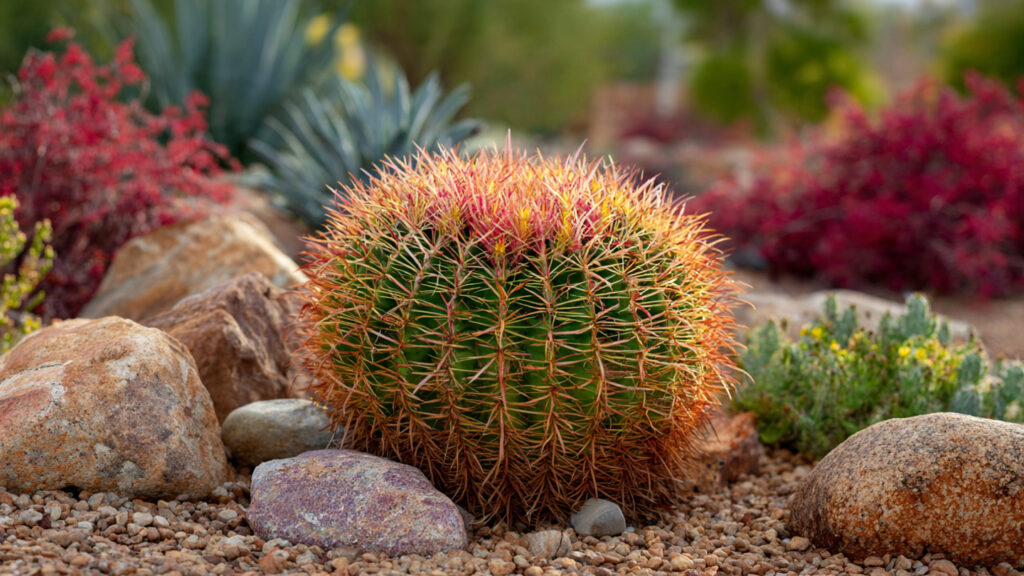
Barrel cacti, with their striking globular shape and bold presence, are among the most iconic symbols of desert landscapes. Their unique aesthetic appeal, combined with their resilience, makes them a favorite for gardeners looking to add a low-maintenance yet dramatic plant to their collection. Growing barrel cactus in full sun environments, however, requires a thoughtful approach to ensure they thrive. This ultimate guide provides everything you need to know—from selecting the perfect species to ensuring optimal care in sunny conditions.
Understanding Barrel Cactus
Before diving into cultivation tips, it’s crucial to understand what makes barrel cacti so special. Native to arid regions of North and Central America, these cacti are adapted to survive extreme heat, drought, and intense sunlight. Their ribbed, rounded bodies store water efficiently, allowing them to endure prolonged dry periods. Popular species include the Golden Barrel Cactus (Echinocactus grusonii), known for its radiant yellow spines, and the Fishhook Barrel Cactus (Ferocactus wislizeni), recognized for its hooked spines and dramatic flower display.
Barrel cacti are slow growers, but their longevity and minimal care requirements make them a worthwhile addition to sunny gardens, rockeries, and xeriscapes.
Choosing the Right Location
The key to successfully growing barrel cactus is selecting the right location. Full sun environments are ideal because these plants naturally receive intense sunlight in their native habitats. Here are the main considerations:
- Sunlight Exposure: Barrel cacti need at least six to eight hours of direct sunlight daily. In extremely hot climates, some afternoon shade can prevent sunburn, particularly for young plants.
- Soil Drainage: These cacti cannot tolerate waterlogged conditions. Planting in sandy or gravelly soil ensures excess water drains quickly, preventing root rot.
- Protection from Frost: While mature barrel cacti are somewhat frost-tolerant, young plants need protection from cold snaps. In regions with occasional frost, consider planting in a slightly elevated bed or using frost cloths during the winter.
Selecting Healthy Plants
Whether you’re starting from seeds or young plants, choosing healthy specimens sets the stage for long-term success. Here’s what to look for:
- Firm, Plump Body: The cactus should feel solid, not shriveled or mushy. Soft spots may indicate overwatering or disease.
- Bright Spines: Healthy barrel cacti have spines that are vibrant and well-formed. Pale or brittle spines can be a sign of nutrient deficiency or poor health.
- Root System: If buying from a nursery, gently inspect the roots. A well-developed root system without signs of rot ensures better establishment in your garden.
Planting Your Barrel Cactus
Planting barrel cacti correctly ensures they grow strong and resilient in full sun environments. Follow these steps:
- Prepare the Soil: Mix garden soil with sand or perlite to improve drainage. A ratio of 2 parts soil to 1 part sand/perlite is ideal.
- Dig a Suitable Hole: The planting hole should be slightly wider and the same depth as the cactus’s root ball. This allows the roots to spread naturally.
- Position the Cactus: Carefully place the cactus in the hole. Avoid touching the spines directly; use tongs or thick gloves for safety.
- Backfill and Secure: Fill the hole with the prepared soil mix, gently pressing it around the base to eliminate air pockets. Avoid burying the cactus too deep—its crown should sit slightly above ground level.
- Water Lightly: Give the newly planted cactus a small amount of water to settle the soil. Thereafter, allow the soil to dry completely before watering again.
Watering Essentials
Watering barrel cacti in full sun requires a careful balance. Overwatering is the most common cause of failure. Here’s how to manage it:
- Establishment Phase: Newly planted cacti need light watering every 7–10 days for the first month to help roots establish.
- Mature Plants: Once established, barrel cacti require minimal watering. In hot, dry conditions, water deeply every 3–4 weeks. During cooler months, reduce watering significantly.
- Watering Method: Apply water at the base, avoiding the crown. Wetting the cactus body can lead to fungal infections.
Fertilization for Optimal Growth
Barrel cacti do not need frequent fertilization, but a boost can encourage healthier growth and vibrant flowering:
- Type of Fertilizer: Use a balanced cactus fertilizer or a low-nitrogen, phosphorus-rich formula. High nitrogen levels can cause weak, elongated growth.
- Frequency: Fertilize sparingly during the growing season (spring and summer). Once a month is sufficient. Avoid fertilizing during the dormant winter period.
Protecting Your Cactus from Pests and Diseases
Even hardy barrel cacti can encounter pests or diseases if conditions are not optimal:
- Common Pests: Mealybugs, spider mites, and scale insects can infest barrel cacti. Regularly inspect your plants and remove pests manually or with insecticidal soap.
- Fungal Infections: Overwatering or poor drainage can lead to root rot or fungal growth. Ensure the soil dries completely between waterings.
- Sunburn: Although adapted to full sun, sudden exposure to extreme sunlight, especially for young plants, can cause bleaching or sunburn. Gradually acclimate new cacti to intense light.
Encouraging Flowering
One of the most rewarding aspects of growing barrel cactus is its spectacular blooms, usually appearing in late spring or summer:
- Age Matters: Barrel cacti often take several years to flower. Patience is key.
- Sunlight and Temperature: Adequate sunlight and warm temperatures stimulate flowering.
- Watering and Fertilization: Moderate watering combined with occasional fertilization supports healthy flower development.
Transplanting and Repotting
Barrel cacti grow slowly but may eventually outgrow their pots or current planting area:
- When to Repot: Repot every 3–4 years or when roots begin circling the pot.
- Repotting Steps: Handle the cactus carefully using tongs or gloves. Choose a slightly larger container with excellent drainage. Use a similar soil mix to encourage continued healthy growth.
Aesthetic Uses in Landscaping
Barrel cacti are versatile and visually striking, making them ideal for various landscaping styles:
- Rock Gardens: Their bold shapes complement rocks and desert plants beautifully.
- Xeriscaping: Perfect for low-water gardens, reducing irrigation needs.
- Container Displays: Barrel cacti thrive in large pots on patios, terraces, and balconies. Combine with succulents or agave for stunning contrasts.
Final Tips for Thriving Barrel Cactus
- Gradually acclimate young cacti to full sun to prevent sunburn.
- Avoid overwatering; let the soil dry thoroughly between waterings.
- Use well-draining soil to prevent root rot.
- Fertilize sparingly to encourage strong, healthy growth.
- Monitor for pests and treat early to prevent infestations.
With the right care, barrel cacti can transform a sunny corner into a desert-inspired paradise. Their dramatic presence, combined with low maintenance and striking blooms, makes them an exceptional choice for gardeners seeking beauty and resilience. By following this ultimate guide, your barrel cactus will not only survive but thrive, becoming a long-lasting centerpiece in your full sun garden.