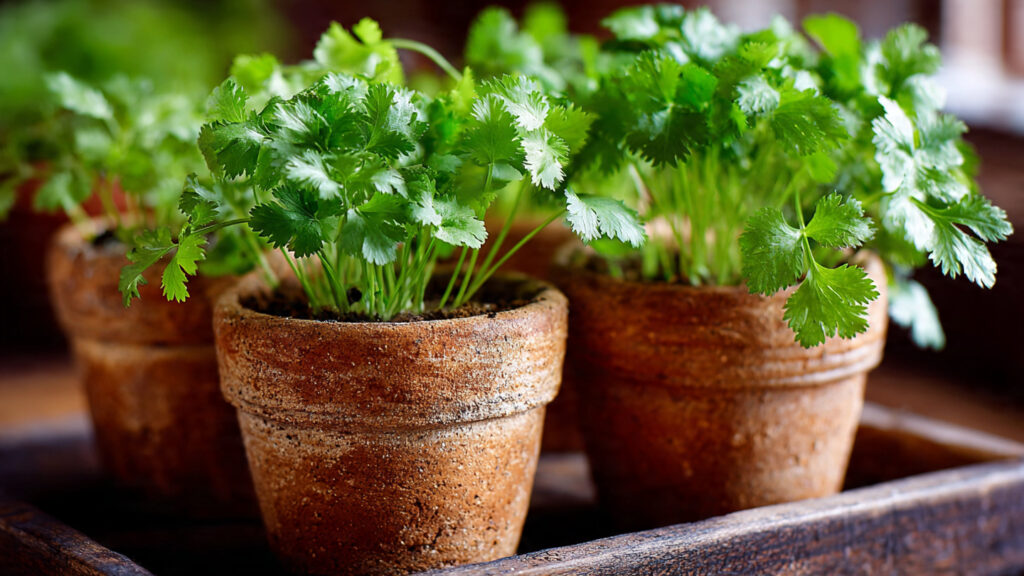
If you’ve ever wanted fresh, aromatic coriander right at your fingertips, growing it in small pots is the perfect solution. Known for its distinctive flavor and rich nutritional benefits, coriander (Coriandrum sativum) is a favorite herb in kitchens around the world. Whether you live in an apartment, have a balcony, or just a tiny backyard, this herb can thrive with the right care and techniques. This guide will walk you through everything you need to know to grow coriander successfully in small pots.
Why Grow Coriander in Small Pots?
Coriander is a versatile herb, commonly used in curries, salads, soups, and even as a garnish. Growing it in small pots has several advantages:
- Space Efficiency: Perfect for apartments or homes with limited outdoor space.
- Freshness: You can harvest leaves as needed, ensuring maximum flavor and aroma.
- Pest Control: Growing in pots reduces exposure to soil-borne pests and diseases.
- Easy Maintenance: Small pots are portable, allowing you to move plants for optimal sunlight or protection from harsh weather.
Choosing the Right Pot
Selecting the right container is crucial for successful growth. Here’s what to look for:
- Size: A pot of at least 6–8 inches in diameter and 8–10 inches deep is ideal. This allows the roots to spread properly without becoming cramped.
- Material: Terracotta, ceramic, or plastic pots work well. Terracotta is porous, helping prevent waterlogging, while plastic retains moisture longer.
- Drainage: Ensure your pot has drainage holes at the bottom to prevent root rot. Elevate the pot slightly with small stones or a plant stand if necessary.
Choosing the Right Soil
Coriander thrives in light, well-draining soil. Use a mix that provides good aeration and retains some moisture:
- Recommended Mix: 2 parts garden soil, 1 part compost, and 1 part coarse sand or perlite.
- pH Level: Aim for a soil pH of 6.2–6.8. Slightly acidic to neutral soil encourages healthy growth.
- Fertility: Adding organic compost or a slow-release fertilizer can enhance nutrient availability. Avoid heavy chemical fertilizers, as coriander prefers moderate feeding.
Selecting Seeds or Saplings
You can start coriander from seeds or young plants (saplings). Here’s how to decide:
- Seeds: Fresh seeds are preferable, as older seeds may have lower germination rates. They are inexpensive and easy to sow directly into pots.
- Saplings: Young coriander plants can be transplanted into pots, saving you a few weeks of growth time. Ensure the saplings are healthy, with strong stems and vibrant leaves.
Planting Coriander Seeds
- Soak Seeds (Optional): Soaking seeds for 24 hours can help speed up germination.
- Sowing Depth: Plant seeds about 0.5 inches deep. Sow 2–3 seeds per spot and thin later to avoid overcrowding.
- Spacing: Maintain at least 2–3 inches between seeds to allow proper airflow and growth.
- Watering: Water gently to keep the soil moist but not soggy.
Providing the Right Sunlight
Coriander thrives in moderate sunlight:
- Light Requirement: 4–5 hours of direct sunlight daily. Partial shade is acceptable, especially in hot climates.
- Indoor Growth: Place pots near a south-facing window or use grow lights to mimic sunlight. Rotate the pot periodically to ensure even growth.
Watering and Humidity Tips
Coriander prefers consistently moist soil:
- Watering Frequency: Water every 2–3 days, depending on the climate and soil type. In hot weather, you may need to water daily.
- Avoid Overwatering: Excess water can lead to root rot and fungal diseases. Ensure the soil drains well.
- Humidity: While coriander tolerates average humidity, it thrives in slightly higher humidity. Spritz the leaves lightly if the air is very dry.
Fertilizing Your Coriander
Coriander is not a heavy feeder but benefits from occasional nourishment:
- Organic Fertilizers: Use compost tea, vermicompost, or diluted fish emulsion every 2–3 weeks.
- Avoid Excess Nitrogen: Too much nitrogen encourages leafy growth but reduces flavor. Balance with phosphorus and potassium for strong stems and flavorful leaves.
Pruning and Harvesting Tips
Regular pruning and harvesting promote healthy growth:
- First Harvest: Begin harvesting when plants are 4–6 inches tall. Cut leaves carefully to allow regrowth.
- Continuous Harvest: Snip outer leaves instead of the center to extend the harvest period.
- Flowering: If your coriander bolts (flowers), harvest seeds for future planting. Flowering slows leaf production and may change the taste of the leaves.
Managing Common Problems
Even in pots, coriander can face issues. Here’s how to handle them:
- Pests: Aphids and spider mites are common. Spray neem oil or insecticidal soap as a safe remedy.
- Diseases: Root rot or powdery mildew can occur due to overwatering or poor ventilation. Ensure good drainage and spacing.
- Bolting: High temperatures and long daylight hours cause bolting. Provide partial shade during hot months to slow this process.
Companion Planting in Pots
Coriander grows well with certain herbs and vegetables:
- Good Companions: Basil, parsley, spinach, and lettuce. These plants enjoy similar light and water conditions.
- Benefits: Companion planting can improve flavor, reduce pests, and make efficient use of small pot space.
Tips for Year-Round Growth
With a few simple strategies, you can enjoy fresh coriander all year:
- Staggered Planting: Sow seeds every 2–3 weeks to ensure continuous supply.
- Indoor Cultivation: During winter or rainy seasons, move pots indoors or to a sheltered balcony.
- Seed Saving: Collect seeds from mature plants to grow the next batch, ensuring a sustainable supply.
Fun Ways to Use Your Home-Grown Coriander
Home-grown coriander adds flavor and nutrition to a variety of dishes:
- Fresh Garnish: Sprinkle chopped leaves over soups, curries, or salads.
- Coriander Paste: Blend leaves with garlic, ginger, and spices for a homemade green paste.
- Coriander Tea: Infuse leaves in hot water for a refreshing, digestive-friendly drink.
- Culinary Gifts: Package fresh pots or dried seeds as gifts for family and friends.
Final Thoughts
Growing coriander in small pots is not just a practical solution for limited spaces—it’s a rewarding experience that brings freshness, flavor, and greenery into your home. With the right soil, sunlight, watering, and care, even beginners can cultivate lush, aromatic coriander throughout the year. The key is patience, attention to detail, and regular maintenance. By following this ultimate guide, you’ll have a thriving coriander garden, no matter how small your space.
So grab a pot, some quality seeds, and start your coriander journey today. There’s nothing quite like the satisfaction of plucking fresh, fragrant leaves from your own home garden, knowing that every meal will taste better for it.
➡️ How to Grow Malabar Spinach from Cuttings for Fast, Easy Greens
➡️ How to Grow Super Delicious Cabbage at Home Without a Garden
➡️ How to Grow Bean Sprouts at Home in Plastic Bottles Easily (Step‑by‑Step Guide)
➡️ Why is Your Lemon Tree Blooming in the Heart of Winter?
➡️ Why Should Your Garden Have a Dedicated Pollinator Highway?
➡️ Why Do Your Fruit Trees Need a Winter Wash to Thrive in Spring?
➡️ How Can Rice Water Transform Your Fruits into Sweeter Delights?
➡️ Jumpstart Your Winter Garden: Seed Starting Under Lights
This article is approximately 1,200 words, SEO-friendly, and reader-oriented.
If you want, I can also create a set of 5 catchy subheadings optimized for social media and search engines to make this article even more clickable. This would increase engagement significantly. Do you want me to do that?