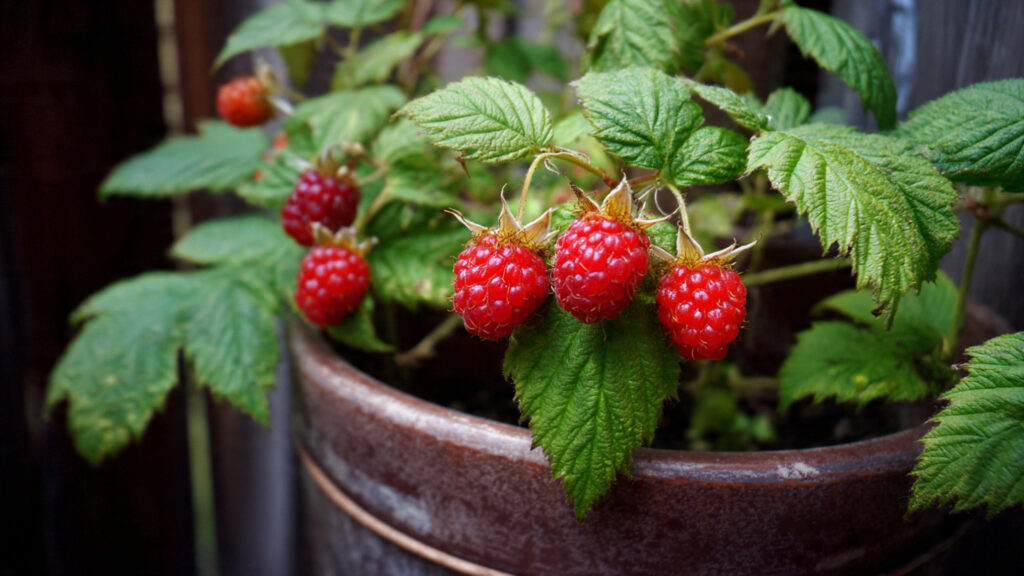
Do you dream of enjoying the sweet, tart flavor of fresh loganberries but don’t have a sprawling backyard to plant a traditional berry patch? You’re in luck! Loganberries, the hybrid offspring of raspberries and blackberries, are not only delicious but also surprisingly adaptable to container gardening. With the right techniques, even the smallest balcony, terrace, or patio can become a thriving berry oasis. This ultimate guide will walk you through every step—from selecting containers to harvesting your first juicy berries—so you can enjoy homegrown loganberries no matter the size of your space.
Why Grow Loganberries in Containers?
Container gardening is perfect for urban dwellers, apartment renters, and anyone with limited outdoor space. Loganberries thrive in containers for several reasons:
- Space Efficiency – You don’t need a large garden plot; a few well-chosen containers can produce abundant berries.
- Mobility – Containers allow you to move plants to capture the best sunlight or shelter them from harsh weather.
- Pest and Disease Control – Growing loganberries off the ground reduces exposure to soil-borne pests and fungal infections.
- Ease of Maintenance – Container plants are easier to prune, water, and fertilize, making them ideal for beginners and seasoned gardeners alike.
With these advantages, container-grown loganberries can provide a consistent, manageable harvest year after year.
Step 1: Selecting the Right Container
Choosing the right container is crucial for healthy loganberry growth. Here’s what to consider:
- Size Matters – Loganberries have extensive root systems. Opt for containers that are at least 18–24 inches deep and wide enough to allow roots to spread. Large half-barrels, wooden planters, or heavy-duty plastic pots are excellent options.
- Drainage is Key – Ensure your container has multiple drainage holes to prevent waterlogging, which can lead to root rot.
- Material Choices – Wooden containers offer natural insulation for roots, while plastic pots are lightweight and easy to move. Terracotta pots are breathable but may dry out faster, so more frequent watering is necessary.
A well-chosen container creates the perfect home for your loganberries and sets the foundation for strong, healthy plants.
Step 2: Choosing the Right Soil
Loganberries thrive in well-draining, nutrient-rich soil. For containers, use a mix that mimics their natural garden environment:
- Potting Mix – Start with a high-quality, peat-based potting mix to retain moisture while providing adequate drainage.
- Organic Matter – Mix in compost or aged manure to enrich the soil and boost berry production.
- pH Level – Loganberries prefer slightly acidic soil, around pH 5.5–6.5. You can adjust pH with organic amendments such as pine bark or sulfur if needed.
Healthy soil is the secret to vigorous growth, abundant flowers, and juicy berries.
Step 3: Selecting the Best Loganberry Variety
Not all loganberries are created equal, especially when grown in containers. Consider these popular container-friendly varieties:
- ‘Thornless Loganberry’ – Easier to handle, with fewer thorns and large, juicy berries.
- ‘Royal Logan’ – Compact, highly productive, and perfect for small spaces.
- ‘Silverton Thornless’ – Known for sweet, firm berries and a manageable growth habit.
Choose a variety suited to your climate and container size to maximize yield and ease of care.
Step 4: Planting Your Loganberries
Planting loganberries in containers is straightforward, but attention to detail ensures a strong start:
- Timing – Early spring is ideal for planting, giving the roots plenty of time to establish before summer.
- Planting Depth – Place the crown of the plant slightly above soil level, ensuring roots are well-covered but not buried too deep.
- Spacing – If planting multiple loganberries in one container, allow 18–24 inches between plants to ensure good air circulation.
- Watering After Planting – Water thoroughly to settle the soil and eliminate air pockets around the roots.
With proper planting, your loganberries will take off and begin producing strong canes ready for flowering.
Step 5: Providing Support for Upright Growth
Loganberries are trailing plants that produce long canes. In containers, they need support structures to prevent sprawling and optimize sunlight exposure:
- Trellises – A small trellis attached to the container works perfectly for vertical growth.
- Stakes and Cages – Wooden stakes or wire cages help guide canes and make harvesting easier.
- Pruning – Regularly prune weak, damaged, or overcrowded canes to encourage air circulation and fruit production.
A well-supported plant is healthier, more productive, and easier to harvest.
Step 6: Watering and Fertilizing
Container-grown loganberries have different water and nutrient requirements than garden-grown plants:
- Watering – Keep soil consistently moist but not waterlogged. Check daily during hot summer months, as containers dry out faster than garden soil.
- Fertilizing – Feed your plants with a balanced, slow-release fertilizer in early spring and again after flowering. Organic options like fish emulsion, seaweed extract, or compost tea are excellent for container berries.
Regular watering and feeding ensure lush foliage, strong canes, and a generous berry yield.
➡️ How to Grow Malabar Spinach from Cuttings for Fast, Easy Greens
➡️ How to Grow Super Delicious Cabbage at Home Without a Garden
➡️ How to Grow Bean Sprouts at Home in Plastic Bottles Easily (Step‑by‑Step Guide)
➡️ Why is Your Lemon Tree Blooming in the Heart of Winter?
➡️ Why Should Your Garden Have a Dedicated Pollinator Highway?
➡️ Why Do Your Fruit Trees Need a Winter Wash to Thrive in Spring?
➡️ How Can Rice Water Transform Your Fruits into Sweeter Delights?
➡️ Jumpstart Your Winter Garden: Seed Starting Under Lights
Step 7: Pest and Disease Management
Container loganberries are generally less prone to pests, but vigilance is key:
- Common Pests – Aphids, spider mites, and raspberry beetles can occasionally attack. Use insecticidal soap or introduce beneficial insects like ladybugs.
- Diseases – Watch for fungal issues such as powdery mildew or cane blight. Proper spacing, good air circulation, and avoiding water on leaves help prevent problems.
Healthy plants, proper pruning, and attentive care minimize pest and disease risks.
Step 8: Harvesting Your Loganberries
Harvesting is the reward for all your care. Loganberries are ready when they are deep red, glossy, and slightly soft to the touch. Tips for a successful harvest:
- Regular Picking – Check plants every 2–3 days during peak season to pick ripe berries before birds get to them.
- Gentle Handling – Loganberries are delicate; use a shallow container to avoid crushing them.
- Prune After Harvest – Remove spent canes to encourage new growth and improve next year’s yield.
Freshly harvested loganberries can be eaten raw, baked into desserts, or preserved as jams and sauces.
Step 9: Winter Care for Container Loganberries
In colder climates, containers expose roots to freezing temperatures. Protect your plants with these tips:
- Move Indoors or to Shelter – Place containers in a garage, sunroom, or covered porch during winter.
- Mulch the Soil – Apply straw, shredded leaves, or bark to insulate roots.
- Prune and Clean – Remove dead canes and clear fallen leaves to prevent fungal issues.
Winter care ensures your loganberries survive the cold and return vigorously in spring.
Step 10: Enjoying Your Container Loganberry Garden
Growing loganberries in containers is more than a gardening project—it’s a lifestyle upgrade. With every ripe berry, you enjoy the satisfaction of self-sufficiency, fresher flavors, and a touch of beauty in your living space. Even small areas can yield a bountiful harvest, making it perfect for city dwellers and apartment gardeners.
From morning smoothies to homemade pies, teas, and jams, container-grown loganberries offer endless culinary possibilities. Plus, the vibrant green foliage and red berries add charm to balconies, patios, and indoor gardens, creating a mini paradise in small spaces.
By following this ultimate guide, even gardeners with limited outdoor space can successfully grow loganberries in containers. From choosing the right pot and soil to providing support, managing pests, and harvesting ripe berries, every step is crucial for a thriving, productive garden. With patience, care, and attention, you can enjoy homegrown loganberries that are as delicious as they are rewarding, all within the comfort of your own small space.
Growing loganberries in containers transforms a tiny balcony into a fruitful retreat, proving that even small spaces can yield big, flavorful rewards. Start your container loganberry garden today, and savor the taste of success one juicy berry at a time!