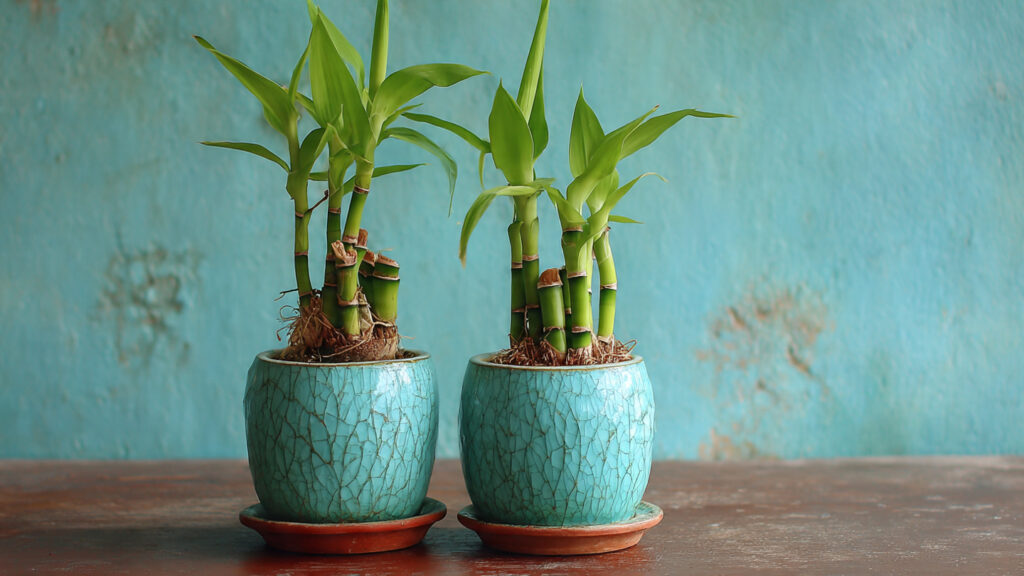
Lucky bamboo, despite its name, isn’t actually bamboo—it’s a member of the Dracaena family. Its striking, vibrant green stalks and lush leaves have made it a favorite in homes and offices worldwide, symbolizing good luck, prosperity, and positive energy according to Feng Shui principles. While many people grow lucky bamboo in water, planting it in soil offers a sturdier plant, healthier root system, and an opportunity for long-term growth. If you’ve been wondering how to grow lucky bamboo in soil for home decor, this ultimate guide has you covered.
Why Choose Soil Over Water for Lucky Bamboo?
Most people are familiar with lucky bamboo in water-filled vases. While this method works temporarily, it has limitations:
- Stability: Soil provides a firm base, keeping the plant upright without tipping over easily.
- Nutrient Access: Soil naturally contains essential nutrients that water alone cannot provide.
- Long-Term Growth: Plants in soil tend to grow stronger, with more robust stalks and fuller leaves.
- Fewer Root Problems: In water, lucky bamboo roots can become slimy or prone to rot. Soil reduces these risks.
Growing lucky bamboo in soil allows you to create a living decoration that lasts for years while enhancing the beauty of any room.
Choosing the Right Soil for Lucky Bamboo
The key to success starts with the soil. Lucky bamboo prefers a well-draining potting mix that retains some moisture but does not become waterlogged. Here’s what to look for:
- Potting Mix: Use a lightweight potting soil, ideally with a mixture of peat moss, perlite, and sand. This ensures good aeration and prevents root rot.
- pH Level: Lucky bamboo prefers slightly acidic to neutral soil, around pH 6.0–7.0.
- Optional Additions: You can mix in small amounts of charcoal or orchid bark to enhance drainage and prevent fungal growth.
Avoid heavy garden soil, as it retains too much water and may harm your plant.
Choosing the Right Container
Lucky bamboo is versatile and can thrive in many types of containers. Consider these tips:
- Size: Choose a container slightly larger than the plant’s current root system. Avoid overly large pots that retain excessive moisture.
- Drainage: Ensure your pot has drainage holes. Proper drainage is essential to prevent waterlogging.
- Aesthetic Appeal: Lucky bamboo is a decorative plant, so select a stylish pot that complements your home decor. Ceramic, glass, or even bamboo-style pots work beautifully.
If you prefer a decorative look without visible soil, you can use a top layer of polished pebbles or stones to cover the soil, giving it a clean, elegant appearance.
Planting Lucky Bamboo in Soil
Planting lucky bamboo in soil is simple if you follow these steps:
- Prepare the Soil: Loosen the potting mix and mix in a small amount of perlite if needed for extra drainage.
- Place the Plant: Gently remove the plant from its water container and rinse the roots to remove any slime or algae.
- Plant the Roots: Create a small hole in the soil and place the roots gently inside. Ensure that the roots are fully covered, but avoid burying the stalks too deeply.
- Firm the Soil: Gently press the soil around the base of the plant to secure it upright.
- Water Thoroughly: Water the plant immediately after planting to help the soil settle around the roots.
Once planted, the lucky bamboo will begin to adapt to its new environment and establish strong roots.
Ideal Light Conditions
Lucky bamboo is versatile when it comes to light, but proper lighting is crucial for healthy growth.
- Indirect Light: Place your plant in bright, indirect sunlight. Too much direct sunlight can scorch the leaves, causing yellowing or browning.
- Low Light: Lucky bamboo can tolerate low light, making it ideal for indoor spaces like offices or bathrooms, but growth may slow down.
- Rotation: Turn the plant every few weeks to ensure even growth on all sides.
Avoid placing the plant near heating vents or air conditioners, as sudden temperature changes can stress it.
Watering and Humidity
Soil-grown lucky bamboo requires careful watering to thrive:
- Keep Soil Moist: Water when the top inch of soil feels dry. Lucky bamboo prefers slightly moist soil but never soggy conditions.
- Use Filtered Water: If possible, use distilled or filtered water. Tap water containing chlorine or fluoride may harm the plant over time.
- Humidity: Lucky bamboo thrives in moderate humidity. If your home is dry, especially during winter, mist the leaves occasionally to maintain moisture.
Overwatering is the most common mistake in soil-grown lucky bamboo. Ensure proper drainage and never let the plant sit in standing water.
Fertilizing Your Lucky Bamboo
While lucky bamboo doesn’t need heavy feeding, occasional fertilization supports healthy growth:
- Type of Fertilizer: Use a balanced, water-soluble fertilizer diluted to half the recommended strength.
- Frequency: Fertilize once every 2–3 months.
- Avoid Overfertilizing: Too much fertilizer can burn the roots and damage the stalks.
Organic alternatives like diluted liquid seaweed or compost tea can also provide gentle nutrients without the risk of overfertilization.
➡️ How to Grow Malabar Spinach from Cuttings for Fast, Easy Greens
➡️ How to Grow Super Delicious Cabbage at Home Without a Garden
➡️ How to Grow Bean Sprouts at Home in Plastic Bottles Easily (Step‑by‑Step Guide)
➡️ Why is Your Lemon Tree Blooming in the Heart of Winter?
➡️ Why Should Your Garden Have a Dedicated Pollinator Highway?
➡️ Why Do Your Fruit Trees Need a Winter Wash to Thrive in Spring?
➡️ How Can Rice Water Transform Your Fruits into Sweeter Delights?
➡️ Jumpstart Your Winter Garden: Seed Starting Under Lights
Pruning and Shaping
One of the joys of lucky bamboo is its sculptural appearance. You can prune and shape the plant to suit your home decor:
- Pruning Leaves: Trim yellow or dead leaves at the base using clean scissors.
- Trimming Stalks: Cut stalks to control height. Make a clean, angled cut just above a node (the horizontal line on the stalk).
- Shaping: Some lucky bamboo is trained into spirals or braids. This requires patience—gently rotate the plant toward light over weeks to achieve the desired shape.
Pruning not only keeps the plant attractive but also encourages new growth and maintains its health.
Common Problems and Solutions
Even soil-grown lucky bamboo can encounter problems. Here’s how to handle them:
- Yellow Leaves: Often caused by overwatering or too much direct sunlight. Reduce water and move the plant to indirect light.
- Brown Leaf Tips: Could be due to low humidity or chemical buildup in water. Mist the leaves or switch to filtered water.
- Root Rot: Usually from waterlogged soil. Repot the plant in fresh, well-draining soil and trim affected roots.
- Pests: Lucky bamboo is generally pest-resistant, but spider mites and mealybugs can appear. Wipe leaves with a damp cloth and treat with mild insecticidal soap if needed.
Early detection and proper care are the keys to keeping your plant vibrant.
Decorating with Soil-Grown Lucky Bamboo
Soil-grown lucky bamboo opens up many creative home decor possibilities:
- Table Centerpieces: Place small pots on dining or coffee tables for a natural, calming touch.
- Window Sills: Brighten up kitchens or bathrooms with medium-sized pots.
- Grouping Plants: Combine multiple pots of varying sizes for an eye-catching arrangement.
- Indoor Gardens: Incorporate lucky bamboo into terrariums or indoor garden shelves for a lush, green display.
You can enhance visual appeal by adding decorative stones, glass beads, or even moss on top of the soil.
Long-Term Care Tips
To ensure your lucky bamboo thrives for years:
- Repotting: Every 2–3 years, refresh the soil and check root health.
- Inspect Regularly: Look for signs of yellowing leaves, pests, or growth issues.
- Maintain Consistency: Keep watering, lighting, and fertilization routines consistent.
With proper care, your soil-grown lucky bamboo can become a centerpiece of natural beauty, symbolizing prosperity and tranquility in your home.
Final Thoughts
Growing lucky bamboo in soil is a rewarding alternative to traditional water cultivation. It provides stability, access to nutrients, and long-term health, all while making a stunning home decor element. By choosing the right soil, container, light, and care routine, anyone can cultivate a thriving lucky bamboo plant. Its elegance, ease of care, and symbolic charm make it a perfect addition to any living space. Whether you’re a beginner or a seasoned plant enthusiast, soil-grown lucky bamboo can bring a touch of nature, positivity, and beauty into your home for years to come.