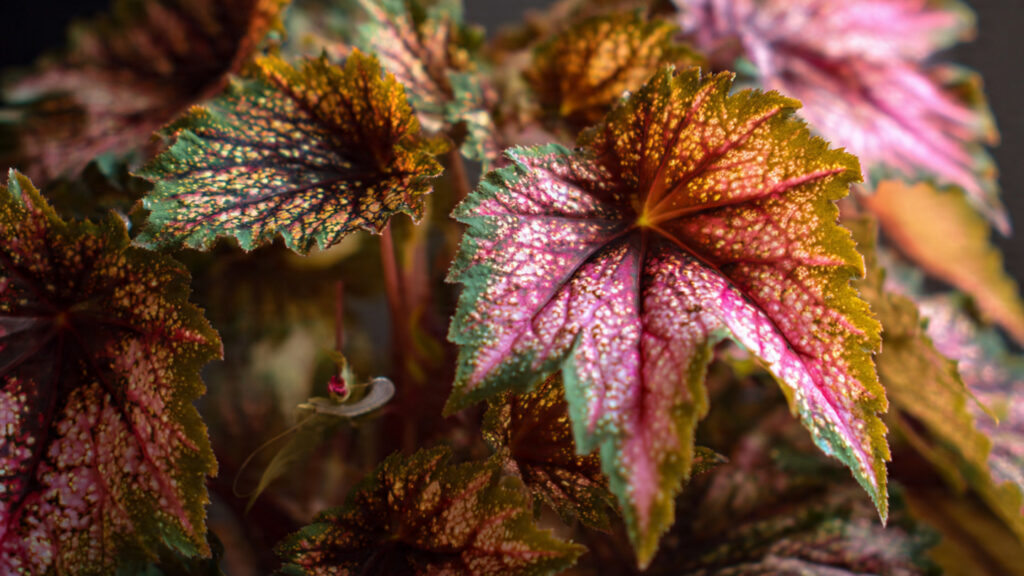
Rex begonias (Begonia rex) are among the most striking and decorative indoor plants, celebrated for their bold, colorful foliage, intricate patterns, and compact size. With leaves in shades of silver, green, burgundy, and purple, often adorned with intricate veining and ruffles, they are a favorite for indoor gardeners seeking visual impact. While stunning, rex begonias require specific care to thrive indoors, particularly when it comes to light, humidity, watering, and temperature.
This ultimate guide will walk beginners and experienced plant enthusiasts alike through simple, effective techniques for growing rex begonias successfully indoors. From planting to daily care and troubleshooting, these strategies will help you maintain vibrant, lush foliage year-round.
Understanding Rex Begonias
Before diving into care techniques, it’s helpful to understand the unique characteristics of rex begonias:
- Foliage-Focused: Unlike flowering begonias, rex begonias are grown primarily for their spectacular leaves rather than blooms.
- Rhizomatous Roots: They grow from thickened rhizomes that store energy, which is essential for leaf growth.
- Tropical Origin: Native to India and Southeast Asia, they naturally thrive in humid, shaded forest environments.
Understanding these traits helps explain why proper light, humidity, and watering are critical for indoor growth.
Choosing the Right Rex Begonia Variety
Rex begonias come in a wide range of colors, shapes, and leaf patterns. Some popular varieties include:
- ‘Escargot’: Spiraled leaves with silver centers and dark green edges.
- ‘Kimberly’: Bold burgundy leaves with striking silver patterns.
- ‘Aladdin’: Compact size with silver and green patterned foliage.
- ‘Fireworks’: Bright, intricate veining with rich colors.
Choosing a variety that appeals to your aesthetic preference and matches your indoor conditions ensures satisfaction and easier maintenance.
Selecting the Right Container and Soil
Proper container choice and soil preparation are foundational for indoor rex begonia success.
Container
- Size: Start with a pot slightly larger than the rhizome to allow for root growth. Overly large pots can retain excess moisture and increase the risk of root rot.
- Material: Terracotta or ceramic pots are ideal because they allow airflow to the roots, preventing soggy soil.
- Drainage: Ensure multiple drainage holes. Rex begonias are prone to root rot if water accumulates at the bottom.
Soil
- Use a well-draining potting mix. Combine peat moss, perlite, and vermiculite for optimal aeration and moisture retention.
- Add a small amount of compost or organic matter to supply nutrients.
- Avoid heavy garden soil, which can compact and suffocate rhizomes.
Well-chosen containers and soil ensure healthy roots, vigorous foliage, and long-term plant survival.
Light Requirements
Rex begonias need indirect light to flourish indoors:
- Bright, Filtered Light: Place the plant near an east- or north-facing window where it receives bright but diffused sunlight.
- Avoid Direct Sunlight: Harsh sun can scorch leaves, causing brown spots and fading colors.
- Supplement with Grow Lights: If natural light is insufficient, fluorescent or LED grow lights can provide 12–14 hours of gentle light daily.
Adequate light encourages vibrant leaf color, robust growth, and prevents legginess.
Watering Techniques
Watering is critical to rex begonia health, as both overwatering and underwatering can cause stress:
- Moisture, Not Saturation: Keep the soil consistently moist but not soggy. The top inch of soil should dry slightly before watering again.
- Water at the Base: Avoid wetting leaves to prevent fungal infections.
- Use Room Temperature Water: Cold water can shock roots; lukewarm water promotes healthy growth.
- Humidity Considerations: Rex begonias thrive in 50–70% humidity. Use pebble trays, humidity trays, or indoor humidifiers to maintain moisture in the air.
Consistent and careful watering supports rhizome health and encourages continuous leaf growth.
Fertilization for Lush Growth
Proper feeding promotes vibrant foliage and compact growth:
- Balanced Fertilizer: Use a water-soluble fertilizer diluted to half strength every 2–4 weeks during the growing season.
- Avoid Excess Nitrogen: Too much nitrogen leads to leggy growth, reducing leaf density.
- Organic Options: Fish emulsion or liquid compost tea can provide gentle nutrients.
- Dormancy Care: Fertilization can be reduced or stopped in winter when growth slows.
Balanced fertilization ensures striking foliage and sustained growth indoors.
Pruning and Maintenance
Pruning encourages bushiness and maintains the plant’s attractive shape:
➡️ How to Grow Malabar Spinach from Cuttings for Fast, Easy Greens
➡️ How to Grow Super Delicious Cabbage at Home Without a Garden
➡️ How to Grow Bean Sprouts at Home in Plastic Bottles Easily (Step‑by‑Step Guide)
➡️ Why is Your Lemon Tree Blooming in the Heart of Winter?
➡️ Why Should Your Garden Have a Dedicated Pollinator Highway?
➡️ Why Do Your Fruit Trees Need a Winter Wash to Thrive in Spring?
➡️ How Can Rice Water Transform Your Fruits into Sweeter Delights?
➡️ Jumpstart Your Winter Garden: Seed Starting Under Lights
- Remove Dead or Damaged Leaves: This prevents disease and encourages new growth.
- Pinching Tips: Pinch back leaf tips to encourage lateral branching and a fuller appearance.
- Regular Cleaning: Dust leaves gently with a soft brush or damp cloth to improve photosynthesis and reduce pests.
Pruning and pinching are simple yet powerful tools for producing a dense, vibrant plant.
Temperature and Environmental Control
Rex begonias are sensitive to temperature and environmental fluctuations:
- Ideal Temperature: Keep indoor temperatures between 65–75°F (18–24°C).
- Avoid Drafts: Keep plants away from cold drafts, air conditioners, and heaters, which can stress the plant.
- Night Temperatures: Slightly cooler nights mimic natural conditions and support healthy leaf development.
Stable temperatures promote steady growth and prevent leaf drop.
Pest and Disease Management
Rex begonias can be vulnerable to pests and fungal issues:
Common Pests
- Mealybugs: Small, cotton-like insects that suck sap.
- Spider Mites: Cause tiny yellow spots and webbing.
- Aphids: Distort leaves and stunt growth.
Common Diseases
- Powdery Mildew: White, powdery fungal growth on leaves.
- Botrytis (Gray Mold): Causes leaf and stem decay.
- Root Rot: Results from overwatering or poor drainage.
Management Strategies
- Inspect plants regularly for pests.
- Isolate new plants to prevent infestations.
- Use neem oil or insecticidal soap for control.
- Maintain proper watering, airflow, and humidity to prevent fungal issues.
Vigilant care prevents damage and ensures continuous leaf development.
Propagation Techniques
Rex begonias are easy to propagate, allowing you to expand your indoor collection:
- Leaf Cuttings: Select a healthy leaf, cut it into sections with a main vein, and place in moist soil or water until roots develop.
- Rhizome Division: Divide mature rhizomes during repotting to produce new plants.
- Stem Cuttings: Take a 3–4 inch stem, remove lower leaves, and root in moist soil or water.
Propagation is an easy and cost-effective way to multiply plants and maintain continuous growth indoors.
Troubleshooting Common Issues
- Leggy Growth: Caused by insufficient light; move the plant closer to bright, indirect light or supplement with grow lights.
- Brown Leaf Edges: Often due to low humidity or inconsistent watering; increase humidity and maintain even moisture.
- Yellowing Leaves: Could indicate overwatering, nutrient deficiency, or poor drainage. Adjust watering and fertilization accordingly.
- Leaf Drop: Caused by drafts, sudden temperature changes, or stress; relocate plant and stabilize environmental conditions.
Understanding and addressing issues promptly keeps rex begonias healthy and vibrant.
Seasonal Care for Rex Begonias
- Spring and Summer: Active growth period; water regularly, fertilize every 2–4 weeks, pinch for bushiness, and monitor for pests.
- Fall: Reduce fertilization slightly; maintain consistent moisture and monitor humidity.
- Winter: Growth slows; water sparingly, avoid drafts, and ensure adequate light. Consider supplemental lighting if natural light is limited.
Following seasonal care routines ensures long-term health and lush foliage.
Displaying Rex Begonias Indoors
- Tabletop or Shelves: Their compact size makes them perfect for bright indoor spaces.
- Terrariums: Miniature rex begonias thrive in glass terrariums that maintain humidity.
- Combination Plantings: Pair with ferns or other shade-loving indoor plants for a tropical look.
Creative placement enhances both plant health and indoor aesthetics.
Final Thoughts
Rex begonias are among the most rewarding indoor plants for foliage enthusiasts. With their vibrant, patterned leaves, they bring beauty and elegance to any indoor space. The key to successful indoor cultivation lies in providing the right light, humidity, watering, and fertilization while practicing simple maintenance techniques like pinching and pruning.
For beginners, following these simple strategies ensures:
- Lush, colorful, and dense foliage
- Healthy growth throughout the year
- Easy propagation for expanding your indoor plant collection
- Minimal stress from pests, diseases, or environmental fluctuations
By mastering these techniques, even novice gardeners can enjoy thriving rex begonias that are visually stunning, easy to maintain, and a constant source of indoor beauty. With consistent care and attention to environmental needs, your rex begonias will flourish indoors, creating a striking focal point in any room.