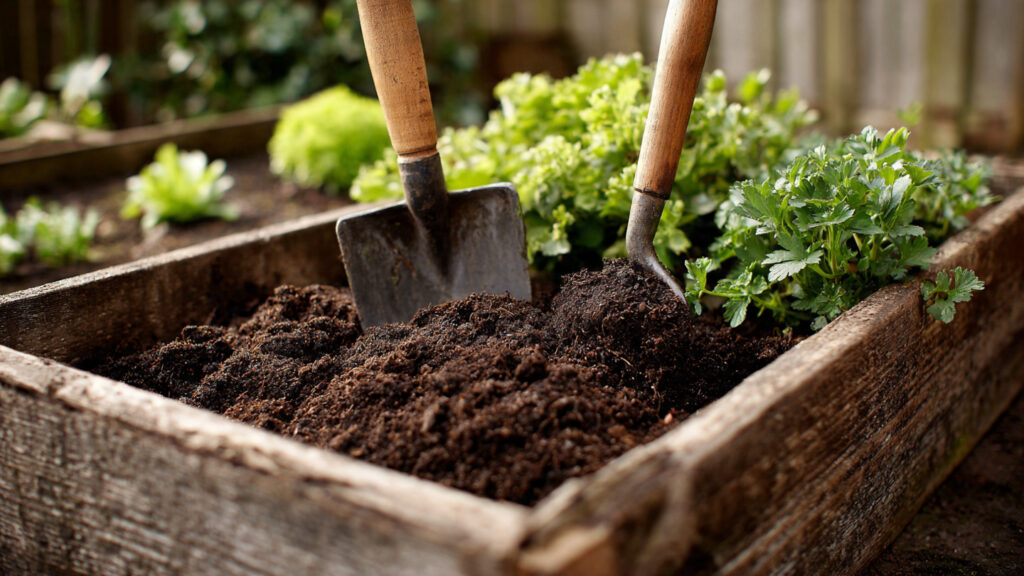
Every gardener dreams of a lush, thriving garden filled with vibrant plants, healthy vegetables, and colorful blooms. While many focus on watering, fertilizing, or pruning, the true secret to a flourishing garden often lies beneath the surface—in the soil itself. Healthy soil isn’t just dirt; it’s a living ecosystem teeming with microorganisms, earthworms, fungi, and beneficial bacteria that work together to nourish plants, improve structure, and boost resilience.
The overlooked key to maintaining this thriving soil ecosystem? A simple, consistent morning habit that takes only minutes but delivers remarkable long-term benefits. By dedicating a small part of your morning routine to soil care, you can transform your garden into a vibrant, productive oasis.
In this guide, we’ll explore the science behind healthy soil, explain why this morning habit is so effective, and provide practical steps to incorporate it into your daily gardening routine.
Understanding Healthy Soil Life
Healthy soil is more than just a medium for plant roots—it’s a bustling, living community. This community includes:
- Microorganisms: Bacteria and fungi break down organic matter, making nutrients available to plants.
- Earthworms: They aerate the soil and improve drainage, while leaving behind nutrient-rich castings.
- Beneficial insects: Predatory insects help maintain a balance, reducing pests naturally.
When this ecosystem is active and balanced, plants grow stronger, resist diseases better, and require fewer chemical fertilizers. Unfortunately, many gardens suffer from poor soil health due to compaction, over-tilling, excessive chemical use, or lack of organic matter.
The good news is that healthy soil life can be revitalized with consistent, mindful care—starting with a morning habit that many gardeners overlook.
The Morning Habit That Changes Everything
The habit is simple: early morning soil observation and gentle care. By spending just 10–15 minutes each morning checking your soil, watering strategically, and adding organic matter or mulch where needed, you engage directly with your garden’s underground ecosystem.
Here’s why morning is the perfect time:
- Cool Temperatures Protect Soil Microbes
Soil life thrives in cooler, moist conditions. Early morning watering or gentle aeration supports microorganisms without stressing them under the hot midday sun. - Immediate Problem Detection
Checking soil in the morning allows you to notice early signs of compaction, dryness, or pest activity. Timely intervention prevents long-term damage. - Improved Nutrient Absorption
Morning watering before the sun gets too hot ensures water penetrates deep into the soil, rather than evaporating from the surface, making nutrients more accessible to plant roots.
How to Implement the Morning Habit
Step 1: Observe and Feel the Soil
Spend a few minutes each morning walking through your garden and observing the soil. Key things to check include:
- Moisture level: Soil should feel slightly damp but not soggy. Dry, cracked soil may need deeper watering.
- Compaction: Gently press your fingers into the soil. Hard, compacted soil restricts root growth and reduces oxygen flow.
- Organic matter: Notice areas where mulch or compost may need replenishing.
This simple habit of observation increases your awareness and helps you respond proactively rather than reactively to soil health issues.
Step 2: Water Strategically
Watering isn’t just about keeping plants alive—it’s about supporting the soil ecosystem. Follow these tips for optimal morning watering:
- Water at the base of plants: Avoid wetting leaves excessively to prevent fungal diseases.
- Deep and slow watering: Ensure water reaches root zones and encourages deeper root growth.
- Adjust frequency based on soil type: Sandy soils may require more frequent watering, while clay soils retain moisture longer.
Morning watering maximizes absorption while minimizing evaporation, creating a hospitable environment for microorganisms and earthworms.
Step 3: Add Organic Matter
Healthy soil life thrives on organic matter. Incorporating compost, aged manure, leaf mold, or mulch into your garden provides food and habitat for beneficial organisms.
- Compost: Spread a thin layer around plants and lightly work it into the topsoil.
- Mulch: Organic mulch, like straw, leaves, or bark chips, retains moisture, regulates temperature, and adds nutrients as it decomposes.
- Cover crops: Planting legumes or clovers in vacant areas replenishes soil nitrogen and supports microbial diversity.
Doing this in the morning allows the soil to slowly absorb nutrients throughout the day.
Step 4: Gentle Soil Aeration
Compacted soil can hinder root growth and limit microbial activity. Spend a few minutes gently loosening soil around plants with a hand fork or garden trowel.
➡️ How to Grow Malabar Spinach from Cuttings for Fast, Easy Greens
➡️ How to Grow Super Delicious Cabbage at Home Without a Garden
➡️ How to Grow Bean Sprouts at Home in Plastic Bottles Easily (Step‑by‑Step Guide)
➡️ Why is Your Lemon Tree Blooming in the Heart of Winter?
➡️ Why Should Your Garden Have a Dedicated Pollinator Highway?
➡️ Why Do Your Fruit Trees Need a Winter Wash to Thrive in Spring?
➡️ How Can Rice Water Transform Your Fruits into Sweeter Delights?
➡️ Jumpstart Your Winter Garden: Seed Starting Under Lights
- Avoid aggressive tilling, which can disrupt soil ecosystems.
- Focus on areas where water tends to pool or roots appear dense.
Regular light aeration improves air and water flow, promoting healthier plant growth without damaging beneficial organisms.
Step 5: Observe Soil Life in Action
One of the most rewarding parts of this morning habit is seeing soil life at work:
- Earthworms moving through the soil.
- Microbial activity in dark, damp soil layers.
- Small insects decomposing organic matter.
Taking time to notice and appreciate this underground ecosystem not only reinforces your commitment but also helps you fine-tune care strategies for maximum soil health.
The Long-Term Benefits of Morning Soil Care
Consistency is key. By following this morning habit daily or several times a week, you’ll notice:
- Improved Soil Structure
Regular observation, aeration, and organic matter application result in loose, friable soil that retains moisture while draining excess water. - Healthier Plant Growth
Plants grown in biologically active soil have stronger roots, more vibrant leaves, and better resistance to disease. - Reduced Dependence on Chemicals
Healthy soil ecosystems naturally suppress pests and improve nutrient availability, minimizing the need for synthetic fertilizers and pesticides. - Higher Yields in Edible Gardens
Fruits, vegetables, and herbs benefit directly from enhanced microbial activity, leading to tastier, more nutritious produce. - Enhanced Sustainability
Supporting natural soil life promotes biodiversity and contributes to an environmentally friendly garden.
Bonus Tips for Optimizing Soil Health
- Rotate crops or planting areas to prevent nutrient depletion.
- Avoid overwatering, which can suffocate soil microbes.
- Use natural pest controls like neem oil or insecticidal soap instead of harsh chemicals.
- Incorporate diverse plant types, including perennials and legumes, to support a balanced ecosystem.
- Keep a gardening journal to track soil health, moisture levels, and plant growth over time.
Final Thoughts
Transforming your garden begins with the soil beneath your feet. By adopting this simple morning habit—observing, watering strategically, adding organic matter, and gently aerating—you nurture a thriving underground ecosystem that supports all forms of life in your garden.
Unlike one-off cleaning or fertilizing efforts, this consistent morning routine creates lasting benefits. Healthy soil means stronger plants, better yields, and a more sustainable gardening experience.
The secret to a flourishing garden isn’t just fancy fertilizers, expensive equipment, or complicated routines—it’s mindful attention to soil life, day after day.
Start tomorrow morning. Take just 10–15 minutes to care for your soil. Observe, nourish, and support the living ecosystem that makes your garden grow. Over time, you’ll notice more vibrant blooms, robust vegetables, and an effortless gardening rhythm that turns your outdoor space into a lush, thriving paradise.
Healthy soil isn’t a secret—it’s a habit. And this simple morning habit is the overlooked rule that can transform your garden forever.