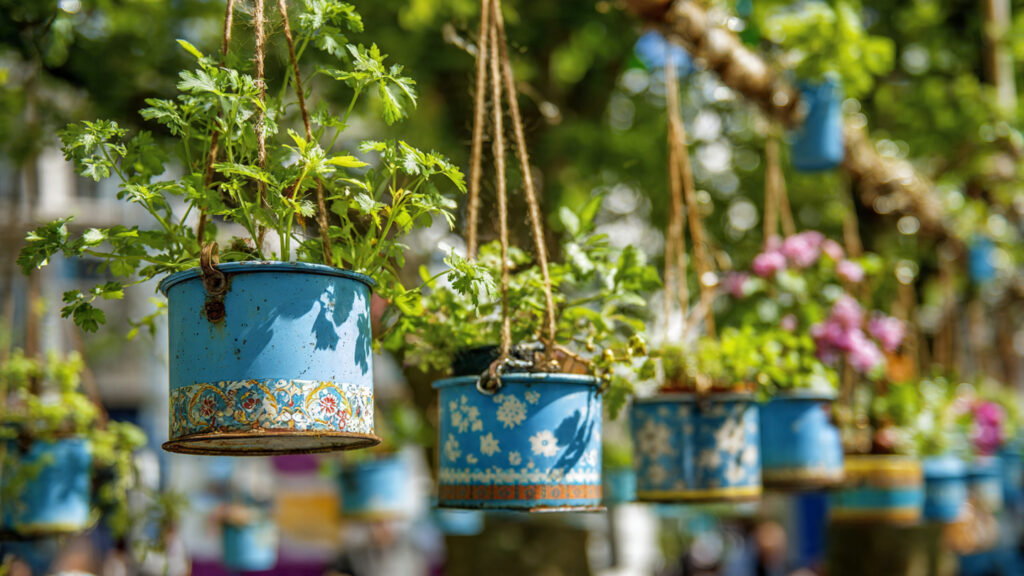
Creating a vibrant, green oasis in your home doesn’t have to mean expensive pots or professional landscaping. One of the most charming and eco-friendly ways to transform your indoor or outdoor space is by making a hanging garden using recycled materials—especially broken or unused cookware. Old pots, pans, kettles, and even baking trays can find a second life as planters, combining functionality with a whimsical, artistic touch.
This guide explores how to turn broken cookware into beautiful planters, offering practical tips, creative ideas, and inspiration to elevate your living space.
Why a Hanging Garden?
Hanging gardens are ideal for both small apartments and larger outdoor areas. They provide several benefits:
- Space-Saving: Perfect for small balconies, patios, or even kitchen corners.
- Aesthetic Appeal: Adds layers of greenery, texture, and color to vertical space.
- Health Benefits: Plants purify the air, reduce stress, and enhance mood.
- Eco-Friendly: Using recycled cookware prevents waste and gives new life to old items.
By combining hanging planters with recycled cookware, you get a sustainable and cost-effective solution that’s both practical and visually stunning.
Choosing the Right Cookware for Planters
Not all cookware is ideal for plants, so selecting the right type is essential. Here are some options:
1. Broken Pots and Pans
Old or cracked pots can’t be used for cooking anymore but are perfect for planting small herbs or flowers. Shallow pans are suitable for succulents, while deeper ones can house leafy greens or cascading plants.
2. Teapots and Kettles
Teapots and kettles with interesting shapes create playful, eye-catching planters. Their spouts can even serve as drainage outlets for excess water.
3. Baking Trays and Cake Pans
Flat trays and bundt pans work well as base planters for small, low-growing plants like mosses or succulents. They can be suspended horizontally or angled for artistic effect.
4. Colanders
Colanders already have holes, making them perfect for drainage without any extra effort. Hang them with chains or ropes for an instant garden display.
Tip: Avoid cookware with harmful coatings that may leach chemicals. Stainless steel, aluminum, and ceramic are safe and durable options.
Preparing Cookware for Planting
Before turning your old cookware into planters, a few preparation steps ensure your plants thrive:
- Clean Thoroughly
Remove rust, food residue, and grease. A thorough wash ensures a clean environment for your plants. - Add Drainage
Even if your cookware has holes, check if additional drainage is needed. Small stones or gravel at the bottom prevent waterlogging. - Paint or Decorate (Optional)
If you want to add color or personalize your planters, use weather-resistant paints. Patterns, stencils, or even chalkboard paint for labeling herbs can make your hanging garden more lively. - Select Suitable Soil
Use lightweight potting mix for hanging planters to reduce weight. Add perlite or vermiculite to improve drainage and aeration.
Creative Ways to Hang Your Cookware Planters
There are multiple ways to display your recycled cookware in a hanging garden. Consider these ideas:
1. Single Hanging Pots or Pans
Attach strong ropes, chains, or macramé hangers to individual cookware pieces. Hang them from ceilings, balcony railings, or sturdy beams. This creates a floating, whimsical garden effect.
2. Tiered Hanging Garden
For a dramatic vertical display, suspend multiple planters at varying heights. Place cascading plants in higher pots so their leaves trail downwards, creating a natural waterfall effect of greenery.
3. Wall-Mounted Hanging Garden
Attach old pans or teapots to wall brackets or hooks to form a living wall. This is ideal for herb gardens in kitchens or small balconies. Arrange them in patterns or clusters for visual impact.
➡️ How to Grow Malabar Spinach from Cuttings for Fast, Easy Greens
➡️ How to Grow Super Delicious Cabbage at Home Without a Garden
➡️ How to Grow Bean Sprouts at Home in Plastic Bottles Easily (Step‑by‑Step Guide)
➡️ Why is Your Lemon Tree Blooming in the Heart of Winter?
➡️ Why Should Your Garden Have a Dedicated Pollinator Highway?
➡️ Why Do Your Fruit Trees Need a Winter Wash to Thrive in Spring?
➡️ How Can Rice Water Transform Your Fruits into Sweeter Delights?
➡️ Jumpstart Your Winter Garden: Seed Starting Under Lights
4. Recycled Chandelier Planter
Convert multiple small cookware items into a hanging chandelier planter. Use a central ring or frame and attach chains from which each piece hangs. Fill with trailing plants, flowers, or even air plants for a magical centerpiece.
5. Window-Sill or Rail Hanging
If outdoor space is limited, hang lightweight planters on window sills or balcony rails. Small teapots, cups, or muffin tins work perfectly for this arrangement.
Choosing Plants for Hanging Cookware Gardens
The choice of plants depends on the size and type of cookware you’re using. Here are some suggestions:
1. Herbs
- Basil, mint, parsley, thyme, and rosemary thrive in shallow or medium-deep containers.
- Growing herbs in the kitchen allows easy access for cooking.
2. Succulents and Cacti
- Ideal for shallow pans and teapots.
- Low maintenance and drought-tolerant.
3. Flowers
- Petunias, pansies, and nasturtiums add vibrant colors.
- Trailing varieties like ivy or lobelia create cascading beauty.
4. Small Vegetables
- Lettuce, spinach, cherry tomatoes, and radishes can grow in deeper pans or pots.
- Companion planting with herbs or flowers can increase yield and repel pests.
Tip: Rotate plants seasonally for continuous growth and fresh aesthetics.
DIY Step-by-Step Hanging Garden Project
Here’s a simple step-by-step guide to create your own hanging garden from broken cookware:
Materials:
- Broken or old cookware (pots, pans, kettles, colanders)
- Strong rope, chains, or macramé hangers
- Drill (if extra drainage holes are needed)
- Lightweight potting soil
- Plants of your choice
- Paint and brushes (optional)
Steps:
- Clean and Prepare Cookware
Wash thoroughly and drill holes for drainage if needed. - Paint or Decorate
Apply outdoor paint, patterns, or labels to personalize each piece. Let dry completely. - Attach Hanging Mechanism
Securely tie rope or chain handles. For heavy cookware, double the rope or use metal chains for safety. - Add Soil and Plants
Fill each cookware piece with potting mix and plant your selected greenery. - Hang Your Planters
Attach securely to hooks, ceiling beams, or balcony rails. Adjust heights to create layers. - Water and Maintain
Water plants according to their needs, usually lighter for succulents and more frequent for leafy vegetables or flowers.
Maintenance Tips for Hanging Cookware Gardens
To ensure your vertical garden thrives:
- Check Weight: Make sure hangers and hooks support the soil and water weight.
- Sunlight: Rotate planters if certain areas don’t receive enough light.
- Watering: Use drip watering or water slowly to avoid spills.
- Pruning: Trim overgrown plants to maintain shape and prevent crowding.
- Fertilizing: Use liquid or slow-release fertilizers for healthy growth.
Advantages of Using Recycled Cookware
Using broken cookware as planters has multiple advantages:
- Sustainable: Reduces landfill waste by repurposing materials.
- Affordable: Saves money while creating unique planters.
- Artistic: Adds character and charm with eclectic shapes and designs.
- Customizable: Paint, arrange, or combine cookware to match your style.
- Versatile: Suitable for indoors or outdoors, small or large spaces.
Inspiring Ideas to Personalize Your Hanging Garden
- Color Themes – Paint all cookware in shades of one color for cohesion or mix bright colors for a playful look.
- Patterns and Stencils – Use polka dots, stripes, or floral stencils for creative flair.
- Labels – Chalkboard paint or tags help identify herbs or vegetables.
- Cascading Plants – Use trailing plants like ivy, string-of-pearls, or petunias for dramatic effect.
- Mix Sizes and Shapes – Combine teapots, frying pans, and mugs for a whimsical display.
Small Space, Big Impact
Even the tiniest balcony, kitchen corner, or apartment can host a hanging garden. By recycling broken cookware, you can achieve a lush, green oasis that’s functional, eco-friendly, and aesthetically pleasing.
The combination of sustainability, creativity, and practicality makes this project perfect for anyone—from beginners to seasoned gardeners. Plus, it’s a fun way to breathe new life into old objects while enhancing your living environment.
Final Thoughts
Transforming your space with a hanging garden made from broken cookware is not only an artistic endeavor but also a step toward sustainable living. The process turns discarded items into vibrant planters, saves space, and creates a lush, multi-level garden that is both beautiful and practical.
Whether you’re growing herbs for your kitchen, flowers for visual delight, or small vegetables for a fresh harvest, recycled cookware hanging gardens are easy, inexpensive, and incredibly rewarding. With careful planning, creative arrangements, and ongoing care, you can elevate your home, balcony, or patio into a super lovely vertical garden that will impress visitors and nourish your plants for years to come.