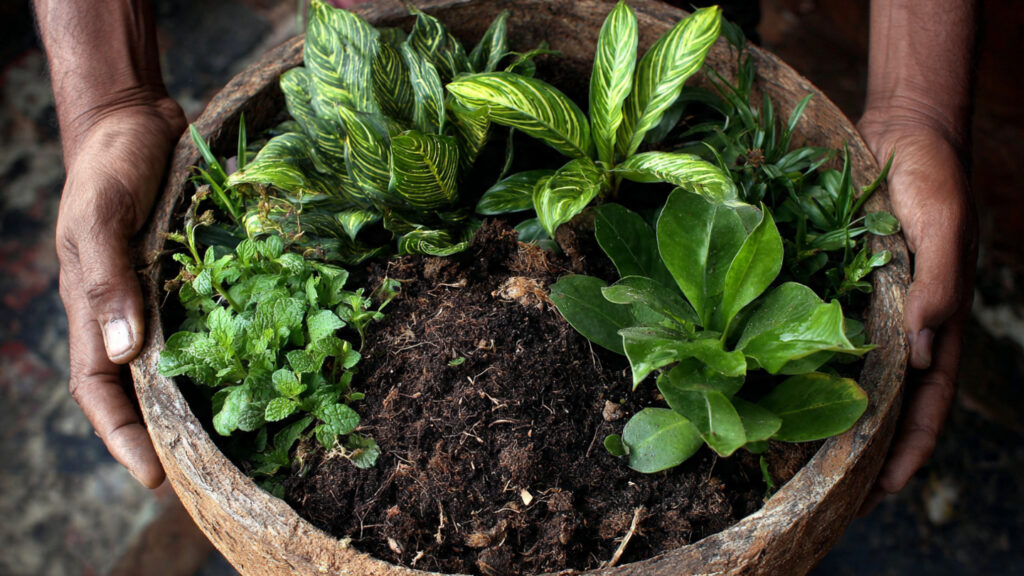
Gardening enthusiasts know that the key to lush, vibrant plants isn’t just water and sunlight—it’s healthy, nutrient-rich soil. One of the most effective ways to enrich your garden soil is by making your own compost. Even better, you can turn kitchen waste, which would otherwise go to the trash, into a goldmine for your plants. Composting is eco-friendly, cost-effective, and incredibly rewarding. In this guide, we’ll explore how to make 100% natural compost at home, using everyday kitchen scraps to grow beautiful, healthy plants.
Why Composting Is a Game-Changer for Home Gardens
Composting is the natural process of recycling organic material into rich, dark soil known as humus. This nutrient-packed material enhances soil structure, improves water retention, and supplies essential minerals to plants. Some major benefits include:
- Soil enrichment: Compost increases nutrient availability for roots.
- Water retention: Rich compost helps soil retain moisture, reducing the need for frequent watering.
- Waste reduction: Composting reduces the amount of kitchen and garden waste going to landfills.
- Cost savings: Homemade compost replaces chemical fertilizers, saving money while staying eco-friendly.
By turning your kitchen scraps into compost, you’re not only nourishing your plants but also contributing to a more sustainable environment.
What Kitchen Waste Can Be Composted?
Almost all organic kitchen waste can be used to make compost. Here’s a breakdown:
Fruit and Vegetable Scraps
- Peelings: Banana peels, potato skins, carrot tops.
- Cores and ends: Apple cores, citrus rinds, cucumber ends.
- Overripe produce: Fruits that are too soft to eat.
These scraps are rich in nitrogen, a key component for green, leafy plant growth.
Coffee Grounds and Tea Leaves
- Used coffee grounds add nitrogen, magnesium, and potassium.
- Tea leaves (without staples) decompose quickly and enrich soil.
Eggshells
- Crushed eggshells are a slow-release source of calcium, essential for preventing blossom end rot in tomatoes and peppers.
Bread and Grains
- Small amounts of stale bread, rice, or pasta can be added. Avoid moldy or heavily processed items.
Herb and Flower Trimmings
- Wilted herbs and flowers add variety to the compost and boost microbial activity.
Tip: Avoid meat, fish, dairy, and oily foods, as these attract pests and create odors.
How to Create a Compost Pile at Home
Creating compost is simple and doesn’t require a large garden. Here’s a step-by-step guide:
1. Choose a Composting Spot
Select a shaded or semi-shaded corner of your balcony, kitchen, or backyard. Ensure it has good drainage and airflow.
2. Select a Container
- For small spaces, use a compost bin or bucket with a lid.
- For larger gardens, build a simple pile or wooden bin.
- Ensure your container allows air circulation and drainage to avoid waterlogging.
3. Layering Is Key
A successful compost pile alternates green and brown layers:
- Green materials: Fruit and vegetable scraps, coffee grounds, fresh garden clippings (nitrogen-rich).
- Brown materials: Dry leaves, cardboard, shredded paper, coconut coir (carbon-rich).
Aim for a 2:1 ratio of brown to green for balanced decomposition.
4. Chop or Shred Waste
Smaller pieces decompose faster. Chop vegetable scraps and paper to speed up composting.
5. Moisten the Pile
Your compost should feel like a damp sponge. Water as needed, but avoid soaking.
6. Turn Regularly
Use a garden fork or trowel to turn the compost every 1–2 weeks. This introduces oxygen, which accelerates decomposition and prevents odors.
7. Patience
Depending on conditions, compost can take 2–3 months to fully mature. Finished compost is dark, crumbly, and earthy-smelling.
Advanced Composting Ideas Using Kitchen Waste
For gardeners looking to maximize their compost, here are some creative ideas:
➡️ How to Grow Malabar Spinach from Cuttings for Fast, Easy Greens
➡️ How to Grow Super Delicious Cabbage at Home Without a Garden
➡️ How to Grow Bean Sprouts at Home in Plastic Bottles Easily (Step‑by‑Step Guide)
➡️ Why is Your Lemon Tree Blooming in the Heart of Winter?
➡️ Why Should Your Garden Have a Dedicated Pollinator Highway?
➡️ Why Do Your Fruit Trees Need a Winter Wash to Thrive in Spring?
➡️ How Can Rice Water Transform Your Fruits into Sweeter Delights?
➡️ Jumpstart Your Winter Garden: Seed Starting Under Lights
1. Citrus Peels
Citrus peels add nutrients but decompose slowly. Chop them finely or add in small amounts to balance acidity.
2. Onion and Garlic Skins
These are rich in nutrients but can have strong odors. Mix thoroughly with other compost to reduce smell.
3. Nut Shells
Crushed nutshells add carbon and improve soil texture. Avoid large whole shells—they decompose very slowly.
4. Rice Water
Used water from rinsing rice or boiling vegetables can be poured over the compost pile to add nutrients.
5. Aquarium Water or Fish Scraps
If you keep an aquarium, water rich in fish nutrients is an excellent fertilizer. Small amounts of fish scraps can also boost nitrogen levels.
Composting in Small or Indoor Spaces
Even if you don’t have a garden, you can compost at home:
- Countertop compost bins: Collect daily scraps in a small, odor-proof container. Empty into your main compost pile or vermicompost bin weekly.
- Vermicomposting: Use red worms in a bin to accelerate decomposition. Worms produce nutrient-rich castings perfect for potted plants.
- Bokashi method: A fermentation-based method that breaks down kitchen waste quickly indoors without strong odors.
Indoor composting allows city dwellers to turn everyday kitchen waste into plant food without leaving their apartments.
How to Use Your Finished Compost
After 2–3 months, your compost is ready to transform your garden:
- Soil amendment: Mix 1–2 inches of compost into garden beds before planting.
- Mulch: Spread a layer around plants to retain moisture, suppress weeds, and improve soil quality.
- Potting mix: Blend compost with garden soil or coconut coir to create nutrient-rich potting soil for container plants.
- Seed starter: Use light, fluffy compost to germinate seeds indoors or in trays.
By applying compost regularly, plants grow faster, bloom more, and resist disease naturally.
Benefits of Homemade Compost Over Store-Bought Fertilizers
While chemical fertilizers are convenient, homemade compost offers unique advantages:
- 100% natural: No synthetic chemicals, safe for pets, children, and the environment.
- Balanced nutrients: Contains a mix of nitrogen, phosphorus, potassium, and trace minerals.
- Improves soil structure: Unlike fertilizers that only feed plants, compost enhances soil health.
- Reduces waste: Turns kitchen scraps into a valuable resource instead of landfill trash.
Compost is a holistic approach to gardening, nourishing both plants and soil for long-term productivity.
Tips for Successful Kitchen Waste Composting
- Chop larger scraps for faster decomposition.
- Alternate green and brown layers to maintain balance.
- Keep the pile moist, not soggy.
- Turn the pile regularly to aerate.
- Avoid adding dairy, meat, and oily food to prevent pests.
- Crush eggshells to enhance calcium content.
- Add garden trimmings or shredded paper to bulk up the pile.
Following these steps ensures your composting efforts yield maximum results.
Final Thoughts
Turning kitchen waste into compost is an easy, sustainable way to grow beautiful, healthy plants at home. From fruit and vegetable scraps to coffee grounds and eggshells, almost every organic kitchen waste can be transformed into nutrient-rich “black gold” for your garden. Whether you have a backyard, balcony, or indoor plant collection, composting improves soil structure, boosts plant growth, and reduces household waste.
By adopting this natural practice, you not only nurture your plants but also contribute to a healthier planet. Start small, be consistent, and watch as your kitchen scraps turn into a thriving garden full of lush greenery, vibrant flowers, and delicious fruits and vegetables. With compost, your plants—and your wallet—will thank you!