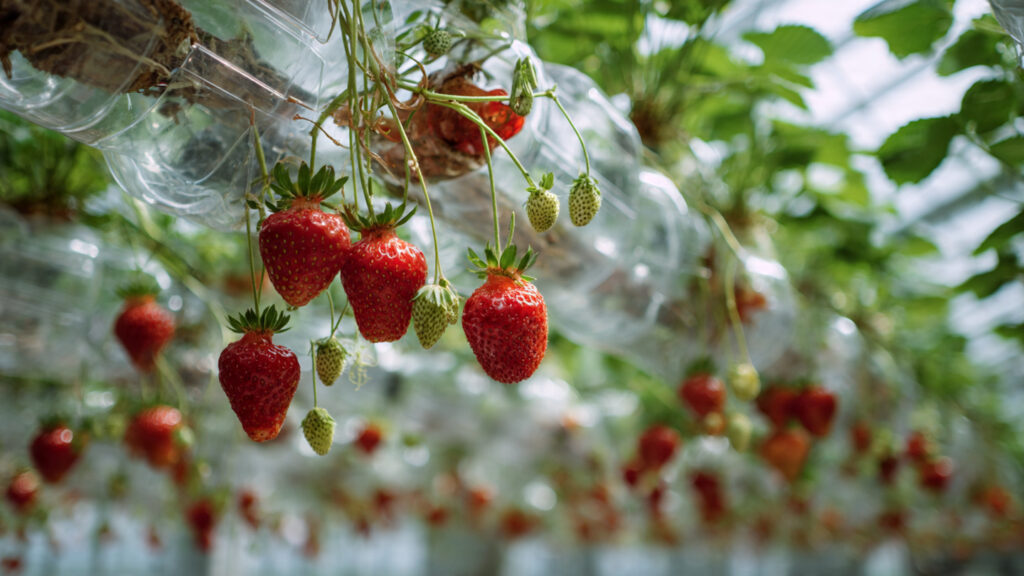
Strawberries are one of the most beloved fruits worldwide. Their bright red color, sweet aroma, and juicy taste make them a favorite for desserts, smoothies, and snacking. However, growing strawberries can sometimes be a challenge, especially if you lack garden space, poor soil, or want to reduce maintenance work.
What if we told you that you could turn simple plastic bottles into a strawberry-growing factory that produces sweet, juicy berries right at home? This innovative method not only recycles plastic but also allows you to enjoy fresh strawberries all year round. It’s an experimental gardening trick that’s taking urban and small-space gardeners by storm.
Why Grow Strawberries in Plastic Bottles?
Before diving into the “how,” it’s worth understanding why this method works so well:
- Space-Saving: Vertical arrangements allow you to grow dozens of plants in just a few square feet. Perfect for balconies, patios, or small backyards.
- Improved Drainage and Aeration: Bottles can be modified to provide proper drainage, preventing root rot.
- Mobility: Containers can be moved to catch the sun or avoid harsh weather.
- Pest Control: Elevating plants reduces exposure to ground pests like slugs and snails.
- Recycling Plastic: It’s an eco-friendly way to repurpose waste bottles.
This approach turns everyday waste into a productive vertical strawberry farm, making it ideal for urban gardeners or anyone wanting fresh fruit without a traditional garden plot.
Materials Needed
To start your plastic bottle strawberry farm, you’ll need:
- Plastic bottles (1–2 liters each, depending on plant size)
- A sharp knife or scissors
- Potting mix or soil suitable for strawberries
- Small gravel or stones for drainage
- Strawberry plants (or runners)
- Rope, hooks, or wooden frames for vertical hanging
- Watering can or drip irrigation setup
Optional: Fertilizer for strawberries to boost fruit yield.
Preparing the Bottles
The key to success is modifying the bottles to create a suitable environment for your strawberries:
- Cut Openings: Cut a hole on the side of the bottle, large enough to plant a strawberry, but small enough to support the plant. The top of the bottle remains open for soil and water.
- Create Drainage Holes: Punch 2–3 small holes at the bottom of the bottle to allow excess water to drain out. This prevents waterlogging, which can kill strawberry roots.
- Optional Layering: Add a thin layer of gravel or small stones at the bottom before soil. This improves drainage further.
Once the bottles are ready, they can either be hung vertically or arranged in stacked tiers, forming a compact strawberry-growing system.
Planting Strawberries
Choose healthy strawberry plants or runners. Dwarf or compact varieties are ideal for container growing. Popular choices include:
- Albion: Large, sweet berries and robust plants.
- Seascape: Good for vertical setups due to compact growth.
- Earliglow: Early fruiting, sweet flavor.
Steps to Plant:
- Fill the prepared bottle with potting soil mixed with compost.
- Create a small hole in the soil and gently insert the strawberry plant.
- Firm the soil around the plant base to stabilize it.
- Water the plant lightly to settle the soil.
Repeat this process for each bottle. For vertical systems, ensure that the bottles are secured tightly to prevent falling under the weight of soil and growing plants.
Arranging Your Strawberry Bottles
There are several creative ways to arrange your bottles for maximum productivity:
- Vertical Hanging: Use ropes or wires to hang bottles from a balcony, pergola, or ceiling. Stack them so that each bottle is slightly below the one above for sunlight exposure.
- Tiered Frames: Construct a simple wooden or metal frame and attach bottles in tiers. This creates a “strawberry tower” that is both decorative and productive.
- Wall-Mounted Gardens: Attach bottles horizontally or at an angle to a wall or fence for a compact, space-efficient design.
Make sure that each plant receives adequate sunlight—strawberries need at least 6–8 hours of sunlight per day for optimal growth and fruiting.
Watering and Fertilizing
Strawberries grown in bottles dry out faster than those in the ground, so consistent watering is essential:
- Water lightly but frequently to keep the soil moist. Avoid overwatering to prevent root rot.
- Consider a drip irrigation system for convenience.
- Fertilize every 3–4 weeks with a balanced fertilizer or organic alternatives like compost tea or seaweed extract. Fertilization improves fruit size and sweetness.
Supporting Strawberry Growth
Strawberries are runners by nature—they spread and produce new plants. To maximize harvest:
- Trim Excess Runners: Direct the plant’s energy toward fruit production instead of excessive runner growth.
- Remove Dead Leaves: Keeps the plant healthy and reduces disease risk.
- Protect From Pests: Birds, aphids, and snails can be a problem. Consider netting or organic pest repellents.
Harvesting Sweet, Juicy Strawberries
With proper care, strawberries in plastic bottles can produce fruit multiple times a year, depending on the variety and climate.
➡️ How to Grow Malabar Spinach from Cuttings for Fast, Easy Greens
➡️ How to Grow Super Delicious Cabbage at Home Without a Garden
➡️ How to Grow Bean Sprouts at Home in Plastic Bottles Easily (Step‑by‑Step Guide)
➡️ Why is Your Lemon Tree Blooming in the Heart of Winter?
➡️ Why Should Your Garden Have a Dedicated Pollinator Highway?
➡️ Why Do Your Fruit Trees Need a Winter Wash to Thrive in Spring?
➡️ How Can Rice Water Transform Your Fruits into Sweeter Delights?
➡️ Jumpstart Your Winter Garden: Seed Starting Under Lights
- Harvest when berries are fully red, firm, and aromatic.
- Regular harvesting encourages more blooms and fruiting.
- Use scissors to snip berries to avoid damaging the plant.
Surprisingly, vertical bottle systems often produce larger, juicier berries compared to ground-grown plants, thanks to better air circulation, sunlight exposure, and drainage.
Benefits of the Plastic Bottle Method
This method of growing strawberries offers numerous advantages:
- Maximizes Small Spaces: Perfect for apartments, balconies, and urban gardens.
- Eco-Friendly: Reuses plastic waste that would otherwise end up in landfills.
- Higher Yield: Vertical growth encourages more sunlight and airflow, leading to healthier plants and larger fruit.
- Easy Maintenance: Less bending, fewer weeds, and reduced soil-borne pest problems.
- Decorative Appeal: Cascading bottles with bright red strawberries create a stunning visual display.
Troubleshooting Common Issues
Even in a plastic bottle system, gardeners may encounter challenges:
- Wilting Plants: Usually caused by insufficient water or extreme heat. Adjust watering and provide shade if necessary.
- Poor Fruit Set: Check for sunlight exposure and consider hand-pollination in indoor setups.
- Yellowing Leaves: Often due to nutrient deficiency. Apply balanced fertilizer or organic amendments.
- Pest Infestation: Inspect plants regularly and use organic sprays like neem oil or soap solution.
Scaling Up Your Strawberry Factory
Once you’ve mastered a few bottles, you can expand your strawberry factory:
- Connect multiple vertical towers to create a mini strawberry farm.
- Experiment with different varieties for extended harvest periods.
- Use larger bottles or tiered systems to increase production.
With proper care, a single balcony or small backyard can yield enough strawberries to supply a family year-round, turning humble plastic bottles into a surprisingly productive fruit-growing system.
Conclusion
Turning plastic bottles into a strawberry-growing system is an ingenious and rewarding gardening method. Not only does it recycle waste, but it also allows gardeners with limited space to enjoy fresh, juicy, homegrown strawberries. By modifying bottles, choosing the right varieties, and providing consistent care, anyone can create a vertical strawberry factory that is productive, sustainable, and visually appealing.
This method is ideal for urban gardeners, beginners, or anyone who wants to combine creativity with practicality. From selecting healthy plants to arranging bottles vertically and harvesting sweet, plump strawberries, the process is simple yet transformative.
So, the next time you finish a plastic bottle, don’t throw it away. Instead, turn it into a strawberry plant and watch your very own plastic bottle farm produce sweet, juicy harvests that rival store-bought berries in flavor and freshness. It’s sustainable, space-saving, and incredibly satisfying—proving that even discarded bottles can become the foundation of a thriving home garden.