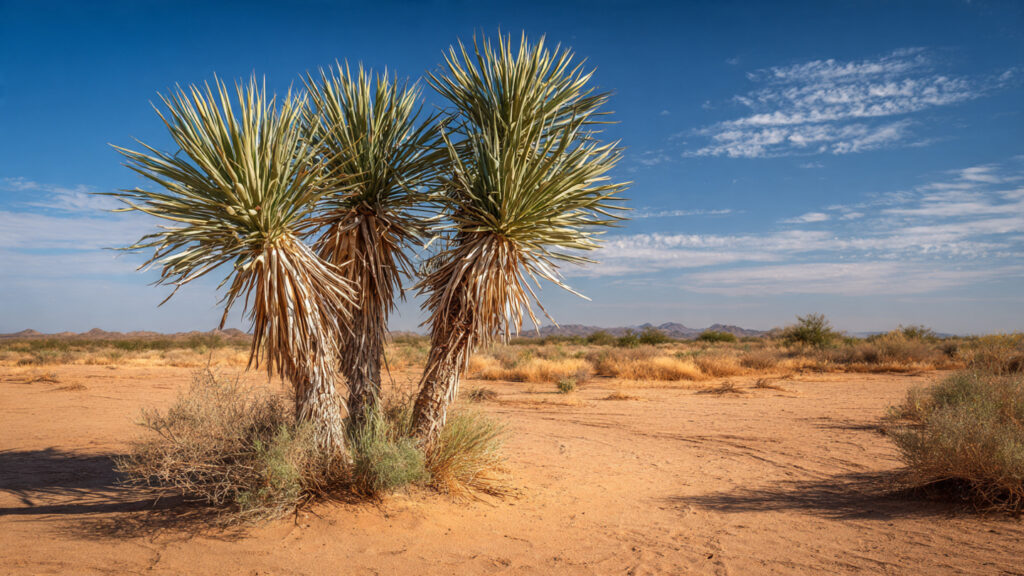
Arid landscapes pose unique challenges for gardeners and landscapers alike. Water scarcity, extreme heat, and nutrient-poor soils can make cultivating plants a tough task. However, nature offers resilient solutions, and one of the stars of drought-tolerant landscaping is the spineless yucca. Known for its striking architectural form, low maintenance, and remarkable drought resilience, spineless yucca is the perfect choice for arid regions. This guide will walk you through everything you need to know about successfully growing spineless yucca in dry landscapes.
Understanding Spineless Yucca: Nature’s Desert Survivor
Spineless yuccas belong to the Agave family, thriving naturally in desert and semi-desert environments. Unlike their spiky relatives, spineless yuccas are safe for landscapes where pets, children, or foot traffic are present. Their defining features include:
- Sword-shaped, smooth leaves that form rosettes.
- Architectural presence that adds dramatic vertical interest to gardens.
- Exceptional drought tolerance, making them perfect for xeriscaping.
- Low maintenance, with minimal pest or disease issues.
These plants are a symbol of resilience, often thriving where other species struggle, making them ideal for gardens that require low water and low upkeep.
Selecting the Right Location
Successful spineless yucca cultivation starts with choosing the right planting site. Key factors include:
- Sunlight
Spineless yucca thrives in full sun, requiring at least 6–8 hours of direct sunlight daily. While they can tolerate partial shade, too little sun may lead to slow growth and weak foliage. - Soil Conditions
These plants are not picky about soil type but well-draining soil is crucial. Sandy or rocky soils mimic their natural desert habitat, preventing waterlogging that can lead to root rot. If your soil is clay-heavy, consider amending it with sand or gravel. - Space Considerations
Spineless yuccas can grow tall (up to 6–10 feet in some varieties) and spread up to 4–6 feet. Plant them where they have room to expand without crowding other plants or structures.
Planting Spineless Yucca: Step-by-Step
Planting spineless yucca correctly ensures healthy growth and long-term survival.
- Prepare the Soil
Loosen the soil to a depth of 12–18 inches. Mix in sand or small gravel to improve drainage. Avoid over-fertilizing at this stage; spineless yucca thrives in nutrient-poor soil. - Dig the Hole
The planting hole should be twice as wide and slightly deeper than the root ball. This allows roots to spread easily. - Planting
Place the yucca in the hole, ensuring the base of the leaves is just above soil level. Backfill with soil and gently firm around the base. - Initial Watering
After planting, water thoroughly once to settle the soil. Afterward, reduce watering to avoid overwatering.
Watering and Drought Management
One of the main advantages of spineless yucca is its ability to thrive in drought conditions. However, proper watering during establishment is important:
- First Year: Water every 7–10 days during dry periods to help roots establish.
- After Establishment: Reduce watering to once a month or less, depending on rainfall. Spineless yucca stores water in its thick leaves, making it highly drought-tolerant.
Overwatering is a common mistake. The plant prefers dry conditions over soggy soil, so err on the side of underwatering.
Fertilization: Less is More
Spineless yucca doesn’t require heavy feeding. Too much fertilizer can harm its natural resilience. Recommendations include:
- Use a low-nitrogen, slow-release fertilizer in early spring to promote moderate growth.
- Organic compost or a small amount of granular cactus fertilizer once a year is sufficient.
- Avoid overfertilization, as excess nutrients can make leaves soft and susceptible to pests.
Pruning and Maintenance
Spineless yucca is extremely low-maintenance, but occasional pruning helps maintain its shape and encourages healthy growth:
- Remove Dead Leaves
Trim off old, brown, or damaged leaves at the base using clean, sharp pruning shears. This prevents decay and keeps the plant looking neat. - Flower Spike Management
Spineless yucca produces tall flower spikes in late spring or summer. Some gardeners prefer to leave flowers for pollinators, while others cut the spike back after blooming. - Pest and Disease Control
These plants are largely pest-resistant. Occasional mealybugs or scale insects may appear, which can be removed with insecticidal soap. Overwatering is the primary cause of disease, so maintaining dry conditions is essential.
Companion Planting: Enhancing Your Arid Landscape
Spineless yucca pairs beautifully with other drought-tolerant plants, creating stunning desert-inspired landscapes:
- Agaves – Complement yucca’s bold form.
- Sedums and Succulents – Provide color contrast and ground cover.
- Lavender or Rosemary – Add fragrance and attract pollinators.
- Ornamental Grasses – Create texture and movement in the landscape.
Arranging plants of varying heights and textures enhances visual appeal and promotes a natural, thriving ecosystem.
Landscaping Ideas: Spineless Yucca as a Focal Point
The architectural shape of spineless yucca makes it perfect for focal points or accent features. Here are a few creative ideas:
- Pathway Markers: Line walkways with medium-sized yuccas for a structured desert look.
- Rock Gardens: Combine yucca with boulders and gravel for a rugged, natural aesthetic.
- Containers: Dwarf varieties thrive in large pots, ideal for patios or terraces with limited space.
- Mixed Xeriscape Beds: Mix yucca with other succulents and drought-tolerant perennials for a dynamic, low-water garden.
Propagation: Multiplying Your Yucca
Spineless yucca can be propagated through several methods:
- Offsets (Pups): Mature plants produce offsets at the base. Remove these and replant in well-draining soil.
- Stem Cuttings: Cut healthy stems, allow them to callous for a few days, then plant in sandy soil.
- Seeds: Planting seeds is slower but can be rewarding for enthusiasts. Ensure seeds are fresh and lightly cover them with sand.
Propagation allows gardeners to expand their arid landscapes without purchasing new plants, maintaining sustainability.
Environmental Benefits of Spineless Yucca
Beyond beauty and resilience, spineless yucca offers eco-friendly advantages:
➡️ How to Grow Malabar Spinach from Cuttings for Fast, Easy Greens
➡️ How to Grow Super Delicious Cabbage at Home Without a Garden
➡️ How to Grow Bean Sprouts at Home in Plastic Bottles Easily (Step‑by‑Step Guide)
➡️ Why is Your Lemon Tree Blooming in the Heart of Winter?
➡️ Why Should Your Garden Have a Dedicated Pollinator Highway?
➡️ Why Do Your Fruit Trees Need a Winter Wash to Thrive in Spring?
➡️ How Can Rice Water Transform Your Fruits into Sweeter Delights?
➡️ Jumpstart Your Winter Garden: Seed Starting Under Lights
- Water Conservation: Requires minimal irrigation, reducing water usage.
- Wildlife Habitat: Flowers attract pollinators like bees and hummingbirds.
- Erosion Control: Deep roots stabilize soil in dry, windy areas.
- Low Carbon Footprint: Minimal maintenance reduces the need for fertilizers, pesticides, and heavy garden equipment.
By planting spineless yucca, gardeners contribute to a sustainable and environmentally responsible landscape.
Common Challenges and Solutions
Even hardy plants face challenges. Here’s how to address common issues:
- Yellowing Leaves: Often caused by overwatering. Reduce irrigation and ensure drainage.
- Stunted Growth: May result from poor sunlight or compacted soil. Relocate to a sunnier spot or amend soil.
- Pests: Treat with insecticidal soap for mealybugs or scale insects. Avoid chemical pesticides whenever possible.
With proper care, spineless yucca remains a trouble-free, long-lasting addition to your landscape.
Final Thoughts: The Perfect Choice for Arid Landscapes
Spineless yucca is more than just a visually striking plant—it is a symbol of resilience, sustainability, and beauty in the face of harsh conditions. Its low maintenance, drought tolerance, and architectural form make it a top choice for homeowners, landscapers, and gardeners looking to thrive in arid environments.
By following this guide—from choosing the right location to proper planting, watering, and maintenance—you can enjoy a vibrant, sustainable garden that requires minimal effort while offering maximum visual impact. Whether you’re designing a desert-inspired garden, a low-water landscape, or simply adding a bold accent to your yard, spineless yucca delivers beauty, durability, and environmental benefits for years to come.
Embrace the elegance of spineless yucca and transform your arid landscape into a drought-resilient haven. Your garden will not only survive but flourish, showcasing nature’s adaptability and timeless beauty.