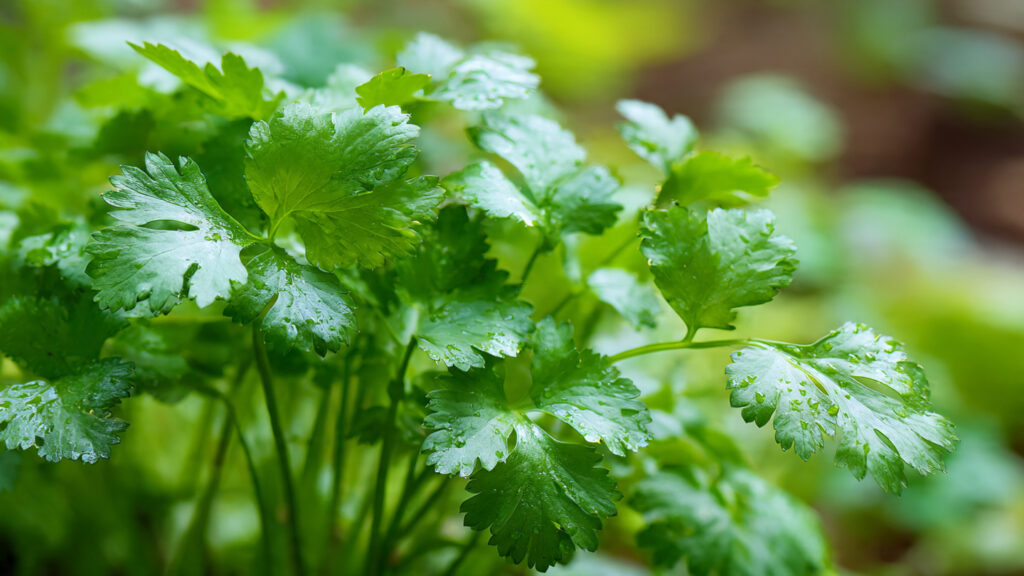
Coriander, also known as cilantro or Chinese parsley, is one of the most beloved herbs in kitchens around the world. Its fresh, citrusy leaves and warm, nutty seeds are essential in cuisines from Indian and Middle Eastern to Latin American dishes. Yet, for many home gardeners, growing coriander in hot weather can be a challenge. High temperatures often cause coriander to bolt—flower and go to seed—quickly, leaving you with bitter leaves and a shortened harvest. The good news is that with the right strategies, you can successfully cultivate vibrant, flavorful coriander even under scorching summer conditions. This ultimate guide will walk you through everything you need to know.
Understanding Coriander Growth and Heat Sensitivity
Coriander is naturally a cool-season herb. It thrives in mild climates, typically between 50°F and 85°F (10°C–29°C). Temperatures above 85°F (29°C) can stress the plant, triggering premature flowering, known as bolting. When coriander bolts, energy shifts from leaf production to seed production, resulting in smaller, bitter leaves. While the seeds remain valuable for culinary use, most gardeners want to maximize leafy harvest first.
Several factors influence coriander’s ability to withstand heat:
- Variety Selection: Some coriander varieties are more heat-tolerant than others.
- Soil Conditions: Proper soil preparation helps retain moisture and reduce heat stress.
- Watering Practices: Consistent moisture is critical in preventing bolting.
- Sun Exposure: While coriander prefers full sun in cool weather, partial shade can protect it during extreme heat.
By understanding these variables, you can take proactive measures to extend the leafy phase of your coriander plants.
Choosing Heat-Tolerant Varieties
Variety selection is the first and most important step for gardeners in hot climates. Traditional coriander varieties may bolt quickly under high temperatures. However, some varieties are bred specifically for heat tolerance:
- ‘Leisure’ – Known for slower bolting and strong flavor.
- ‘Santo’ – A hybrid variety resistant to heat and ideal for continuous harvest.
- ‘Coriander Slow Bolt’ – Designed to withstand higher temperatures without compromising leaf quality.
Starting with the right variety gives you a better chance of success and reduces the frustration of rapid bolting.
Planting Strategies for Hot Weather
Timing and method of planting can significantly impact coriander’s ability to thrive in heat:
1. Seasonal Timing
In hot climates, consider sowing coriander in early spring or late summer when temperatures are cooler. If you must grow during peak summer, use protective techniques such as shade covers or strategic planting near taller plants that provide partial shade.
2. Seed Soaking
Soaking coriander seeds in water for 12–24 hours before planting can enhance germination rates. This is particularly useful in hot weather, as it gives seedlings a head start before the stress of high temperatures sets in.
3. Soil Preparation
Coriander prefers well-draining, fertile soil with a pH of 6.2–6.8. In hot weather, soil should retain moisture without becoming waterlogged. Incorporating organic matter, such as compost or well-rotted manure, improves soil structure, nutrient availability, and water retention.
4. Spacing and Depth
Sow seeds about ¼ to ½ inch deep and thin seedlings to 6–8 inches apart. Proper spacing ensures good air circulation, reducing stress and risk of disease, while allowing each plant enough room to develop fully.
Sunlight and Shade Management
Coriander thrives in full sun under cool conditions but can struggle under intense heat. During the hottest months:
- Provide partial shade, especially during midday hours, using shade cloths or natural shading from taller crops.
- Rotate plants to prevent prolonged exposure to harsh afternoon sun.
- Use mulching to shield roots from direct heat while maintaining soil moisture.
Partial shade helps reduce stress and slows down bolting, allowing for a longer leafy harvest.
Watering Techniques for Hot Conditions
Consistent and adequate watering is critical when growing coriander in hot weather. Plants under heat stress often bolt due to moisture fluctuations. Follow these tips:
- Deep, Regular Watering: Water deeply at the base, ensuring roots receive consistent moisture.
- Avoid Overhead Sprinkling: Wet leaves during the heat can increase disease risk and lead to leaf burn.
- Mulching: Apply organic mulch, such as straw or shredded leaves, around the base. Mulch reduces soil temperature, slows evaporation, and keeps roots cool.
Monitoring soil moisture is essential. The soil should feel damp but not soggy.
➡️ How to Grow Malabar Spinach from Cuttings for Fast, Easy Greens
➡️ How to Grow Super Delicious Cabbage at Home Without a Garden
➡️ How to Grow Bean Sprouts at Home in Plastic Bottles Easily (Step‑by‑Step Guide)
➡️ Why is Your Lemon Tree Blooming in the Heart of Winter?
➡️ Why Should Your Garden Have a Dedicated Pollinator Highway?
➡️ Why Do Your Fruit Trees Need a Winter Wash to Thrive in Spring?
➡️ How Can Rice Water Transform Your Fruits into Sweeter Delights?
➡️ Jumpstart Your Winter Garden: Seed Starting Under Lights
Fertilization for Healthy Growth
Coriander grows best with a balanced supply of nutrients. In hot weather, adequate fertilization helps the plant maintain robust leaf growth:
- Use compost or organic fertilizers at planting.
- Apply a balanced liquid fertilizer every 2–3 weeks during peak growth.
- Avoid excessive nitrogen, which can encourage lush leaf growth but may also increase bolting under heat stress.
Organic amendments not only provide nutrients but also improve soil structure and water retention, supporting plants during high temperatures.
Companion Planting and Microclimates
Strategic companion planting can create a microclimate that protects coriander from extreme heat. Some effective companions include:
- Basil and marigolds – Provide partial shading and pest deterrence.
- Tomatoes and peppers – Taller crops cast shade during the hottest parts of the day.
- Leafy greens – Can grow alongside coriander to create a natural, cooler microenvironment.
By designing your garden with companion plants, you reduce stress on coriander while optimizing space and productivity.
Harvesting Techniques to Maximize Flavor
Harvesting at the right time is crucial to enjoying tender, flavorful coriander leaves. In hot weather:
- Pick leaves early in the morning when the plant is coolest and most hydrated.
- Harvest regularly to encourage continued leaf production and delay bolting.
- If bolting begins, pinch off flower stalks promptly. This can sometimes extend leaf production slightly before seeds form.
Once coriander starts flowering, leaf flavor can become bitter. However, don’t discard the plant entirely; let some go to seed to harvest fresh coriander seeds for culinary use.
Preventing Heat Stress and Bolting
To summarize, preventing heat stress and premature bolting involves a combination of strategies:
- Choose heat-tolerant varieties.
- Plant at cooler times of year or provide partial shade.
- Maintain consistent moisture through deep watering and mulching.
- Fertilize appropriately with organic amendments.
- Use companion planting to create cooler microclimates.
- Harvest leaves regularly and monitor for signs of bolting.
These combined practices give your coriander the best chance to thrive even under challenging heat conditions.
Troubleshooting Common Problems
Even with careful planning, hot weather can cause issues. Here’s how to address them:
- Yellowing Leaves: Often caused by inconsistent watering or nutrient deficiency. Ensure consistent moisture and consider adding a balanced liquid fertilizer.
- Leaf Curling or Wilting: May indicate heat stress. Provide temporary shade and increase mulch around the base.
- Early Flowering: Choose slow-bolting varieties and pinch off flower stems immediately.
- Pests: Aphids and whiteflies may be more active in heat. Use organic pest controls like neem oil or insecticidal soap.
Storing and Using Your Harvest
Once harvested, coriander leaves are highly perishable. To maximize freshness:
- Store in a glass of water in the refrigerator, covering loosely with a plastic bag.
- Freeze excess leaves in ice cube trays with a bit of water or olive oil for long-term use.
- Dry seeds from bolted plants for spice storage; they add warm, citrusy notes to many dishes.
Proper storage ensures that your hard-earned effort translates into culinary enjoyment for weeks or months.
Final Thoughts
Growing coriander in hot weather doesn’t have to be a struggle. By understanding the plant’s heat sensitivity, selecting the right varieties, managing sunlight and water, and using strategic planting techniques, you can enjoy a bountiful harvest of fresh, flavorful leaves throughout the summer months. With patience, attention, and the right gardening practices, even the hottest climates can yield thriving coriander plants, transforming your dishes with the vibrant taste of homegrown herbs.
Coriander may be naturally inclined to prefer cooler weather, but with careful planning and dedication, you can beat the heat and reap the rewards of fresh, aromatic leaves in your kitchen garden.