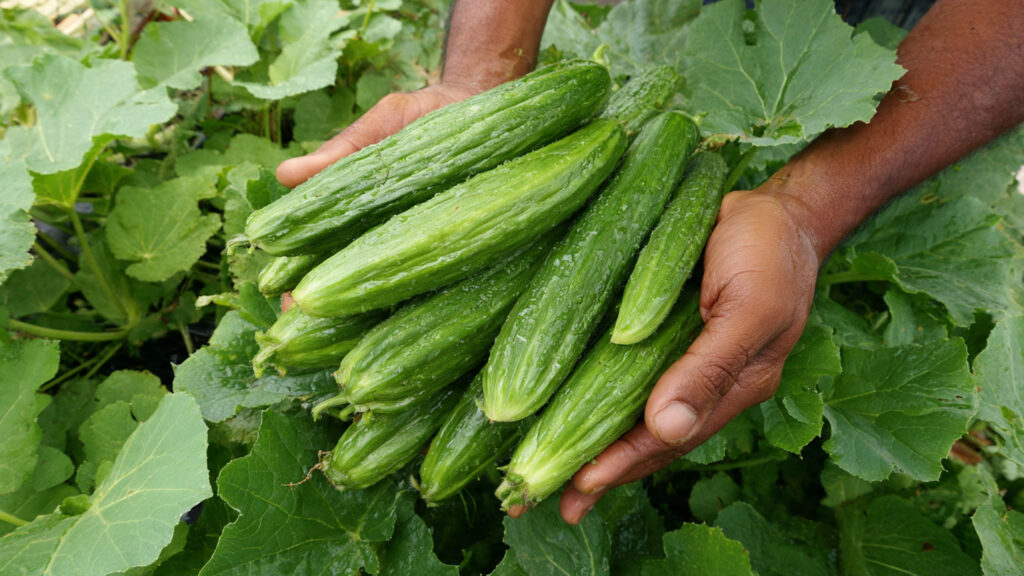
Lauki, also known as bottle gourd (Lagenaria siceraria), is a versatile and nutritious vegetable widely used in Indian, Asian, and Mediterranean cuisines. Known for its mild flavor and high water content, lauki is a favorite among home gardeners because it’s fast-growing, prolific, and relatively easy to cultivate. Traditionally grown in open soil, lauki can also thrive in large containers, making it an excellent choice for balcony gardens, patios, and urban homes with limited space.
Growing lauki in containers not only allows for easy harvesting but also helps manage plant growth, reduce pest pressure, and optimize yield. This ultimate guide will walk you through everything you need to know about container-grown lauki, from choosing the right containers and soil to watering, fertilization, trellising, pest management, and harvesting techniques.
Why Grow Lauki in Large Containers?
Container gardening offers several advantages for lauki cultivation:
- Space Optimization: Ideal for urban gardens, balconies, and rooftops where ground space is limited.
- Ease of Harvesting: Raised containers and trellises make picking fruits simple and convenient.
- Disease Management: Improved drainage and mobility reduce soil-borne diseases.
- Controlled Growth: Containers help regulate soil quality, moisture, and nutrient levels.
- High Yield: With proper care, container-grown lauki can produce abundant fruits comparable to traditional garden cultivation.
By choosing large containers, you provide sufficient root space for this vigorous vine, supporting healthy growth and maximizing fruit production.
Choosing the Right Container
Selecting an appropriately sized container is crucial for lauki’s success, as it is a fast-growing, deep-rooted vine.
Container Size
- Minimum: 15–20 gallons (60–80 liters) for a single plant
- Larger containers yield bigger, healthier plants with more fruits
Material Considerations
- Plastic Pots: Lightweight, retain moisture well, and are easy to move.
- Clay or Terracotta Pots: Provide better aeration for roots but dry out faster, requiring more frequent watering.
- Raised Beds or Grow Bags: Flexible, easy to manage, and allow excellent drainage.
Ensure the container has adequate drainage holes to prevent waterlogging, which can cause root rot.
Selecting the Right Variety
Choosing the right lauki variety influences growth rate, fruit size, and yield.
Popular Container-Friendly Varieties
- Pusa Summer Prolific: Compact growth with multiple fruits per vine.
- Calabash (Bottle Gourd): Produces long, smooth fruits suitable for culinary use.
- Long White or Green Lauki: Ideal for trellising in smaller spaces.
Select a variety suited to container growth and your climate for maximum success.
Soil Requirements
Lauki prefers nutrient-rich, well-draining soil with good moisture retention. Proper soil preparation is essential for container-grown plants.
Soil Mix for Containers
- 50% garden soil or potting mix
- 25% compost or well-rotted manure for fertility
- 25% perlite, sand, or coco peat for aeration and drainage
Maintain a slightly acidic to neutral pH (6.0–7.0) to promote optimal nutrient uptake. Enriching the soil with compost before planting ensures the plant has a continuous supply of essential nutrients.
Planting Lauki in Containers
Planting properly ensures strong root establishment and healthy growth.
Steps for Planting
- Fill the container with prepared soil mix, leaving 3–4 inches at the top.
- Sow seeds directly 1 inch deep or transplant seedlings with intact root balls.
- Space seeds or seedlings 12–18 inches apart within the container.
- Water gently to settle the soil around roots.
Using multiple smaller containers for a single vine can also work, but larger single containers encourage deeper rooting and larger yields.
Providing Support: Trellising
Lauki is a climbing vine and benefits from vertical support, especially in container cultivation. Trellising helps maximize yield, improves airflow, and simplifies harvesting.
Trellis Options
- Wooden or Bamboo Trellis: Strong, natural-looking support ideal for long vines.
- Metal Frames or Wire Mesh: Durable and reusable, excellent for heavier fruits.
- Netting or Rope Supports: Lightweight and flexible for smaller spaces.
Tie the vine gently to the support as it grows to guide its climbing habit and prevent sprawling. Vertical growth also reduces fungal disease risk by improving airflow around leaves and stems.
Watering Techniques
Consistent moisture is critical for lauki, particularly in containers, as they can dry out faster than garden soil.
➡️ How to Grow Malabar Spinach from Cuttings for Fast, Easy Greens
➡️ How to Grow Super Delicious Cabbage at Home Without a Garden
➡️ How to Grow Bean Sprouts at Home in Plastic Bottles Easily (Step‑by‑Step Guide)
➡️ Why is Your Lemon Tree Blooming in the Heart of Winter?
➡️ Why Should Your Garden Have a Dedicated Pollinator Highway?
➡️ Why Do Your Fruit Trees Need a Winter Wash to Thrive in Spring?
➡️ How Can Rice Water Transform Your Fruits into Sweeter Delights?
➡️ Jumpstart Your Winter Garden: Seed Starting Under Lights
Guidelines
- Water deeply 2–3 times per week, depending on temperature and soil moisture.
- Ensure soil remains evenly moist but not soggy.
- Early morning watering is ideal to reduce evaporation and prevent leaf diseases.
Mulching the soil surface helps retain moisture, regulate temperature, and reduce weeds. Organic mulch like straw or dried leaves works best.
Fertilization for Maximum Yield
Lauki is a heavy feeder, and container-grown plants require regular nutrient supplementation for vigorous growth and abundant fruiting.
Fertilization Schedule
- At Planting: Mix compost or well-rotted manure into the soil.
- Vegetative Stage: Apply nitrogen-rich fertilizer to support leaf and stem growth.
- Flowering and Fruiting Stage: Use balanced NPK fertilizer (10-10-10) to encourage flowering and fruit development.
- Liquid Fertilizer: Foliar feeding with diluted liquid fertilizer every 2–3 weeks boosts growth in containers.
Regular fertilization ensures strong vines, healthy leaves, and high-quality fruits.
Pruning and Maintenance
Pruning is essential to manage vine growth and improve fruit production.
Tips
- Trim excess lateral shoots that compete for nutrients.
- Remove yellow or damaged leaves promptly.
- Pinch growing tips occasionally to encourage bushier growth and multiple flowering points.
Regular maintenance ensures the plant stays healthy, productive, and easy to harvest.
Pest and Disease Management
Container-grown lauki is less prone to soil-borne diseases but may still encounter pests.
Common Pests
- Aphids: Small green insects that feed on leaves and stems.
- Red pumpkin beetles: Can damage leaves and flowers.
- Whiteflies: Cause leaf yellowing and weakening of the plant.
Management Strategies
- Inspect plants regularly for signs of infestation.
- Use neem oil or insecticidal soap for control.
- Remove affected leaves promptly.
- Ensure proper spacing and airflow to reduce fungal infections.
Good cultural practices, like trellising and proper watering, minimize pest and disease problems.
Pollination for Better Fruit Set
Lauki flowers are typically self-pollinating but benefit from cross-pollination for higher fruit yield.
Tips for Indoor Pollination
- Gently shake flowers to help pollen transfer.
- Use a small brush or cotton swab to transfer pollen between flowers if growing indoors.
- Encourage pollinators outdoors if possible; container gardens near balconies or patios can attract bees.
Effective pollination ensures more flowers develop into healthy fruits.
Harvesting Lauki from Containers
Container-grown lauki can be harvested just like garden-grown plants, but careful handling is essential to avoid damaging the vines.
Harvesting Tips
- Pick fruits when they are young and tender, typically 12–18 inches long.
- Avoid letting fruits over-ripen on the vine, as they become fibrous.
- Harvest regularly to encourage continuous fruiting.
- Use sharp scissors or pruners to cut fruits gently from the vine.
Frequent harvesting not only provides fresh produce but also stimulates the plant to produce more flowers and fruits.
Seasonal Considerations
Container-grown lauki can thrive year-round in warm climates or indoors with sufficient sunlight.
Tips
- In colder climates, bring containers indoors or provide frost protection during winter.
- Ensure 6–8 hours of sunlight daily, supplementing with LED grow lights if necessary.
- Adjust watering frequency based on temperature and humidity.
By managing seasonal conditions carefully, you can enjoy multiple harvests from the same container-grown plants.
Benefits of Growing Lauki in Containers
Growing lauki in large containers provides numerous advantages:
- Space-efficient solution for urban gardens.
- Easy access for harvesting without bending or stooping.
- Reduced risk of soil-borne diseases.
- Higher yield per plant due to controlled growing conditions.
- Aesthetic addition to patios, balconies, and terraces.
Container gardening allows gardeners to cultivate high-yielding, healthy lauki plants even in small spaces, making it an excellent choice for modern home gardening.
Final Thoughts
Growing lauki in large containers is an excellent way to enjoy fresh, nutritious, and flavorful vegetables year-round. By choosing the right container and variety, providing well-draining, fertile soil, supporting the vine with trellises, and maintaining consistent watering and fertilization, you can achieve maximum yield and simplify harvesting.
Pruning, pest management, and proper pollination further enhance productivity, ensuring that your container-grown lauki remains healthy and productive. With careful attention and regular maintenance, you can transform a simple container into a bountiful source of fresh lauki, offering convenience, beauty, and a rewarding gardening experience.
Whether you are a seasoned gardener or a beginner looking to start container vegetable gardening, growing lauki in large containers is a practical and rewarding choice that delivers abundant harvests and culinary satisfaction.