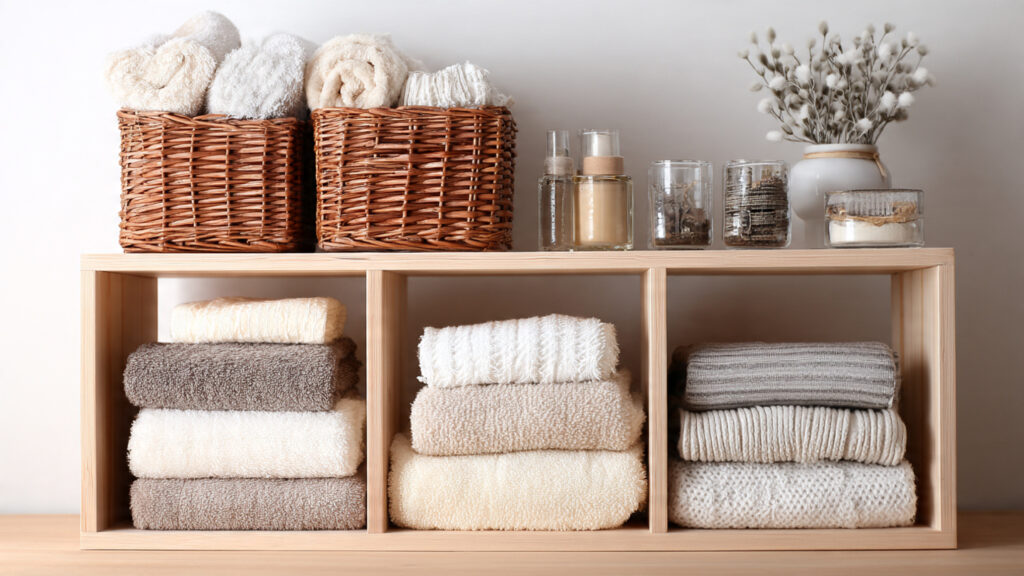
Keeping a home organized can feel like a constant uphill battle. No matter how much effort you put into cleaning and arranging, clutter seems to reappear overnight. But the reality is that organization is less about perfection and more about creating sustainable systems and daily habits that keep your home functional, tidy, and stress-free. By understanding the root causes of clutter and implementing smart strategies, you can transform your home into a space that works for you rather than against you.
Understanding the Daily Challenge
Before tackling organization, it’s important to understand why it’s a daily challenge:
- High activity levels: Families, pets, and work-from-home setups all contribute to constant movement and usage of items.
- Accumulation of belongings: Mail, groceries, gadgets, and clothing quickly pile up if not managed consistently.
- Lack of systems: Without designated spaces and routines, items naturally end up scattered.
- Decision fatigue: Constantly deciding where things should go or whether to keep them can lead to procrastination and clutter buildup.
Recognizing these factors helps you approach organization with realistic expectations. It’s not about never having a mess, but about minimizing its impact and recovery time.
Establish Zones and Purpose
One of the most effective strategies for maintaining order is creating zones in your home. Each area should have a specific purpose, making it easier to decide what belongs where:
- Entryway: Hooks, shoe racks, and trays for keys and mail reduce clutter at the front door.
- Kitchen: Assign zones for cooking, prepping, and storing groceries to streamline meals.
- Living room: Use storage furniture like baskets or cabinets for toys, magazines, and electronics.
- Bedrooms: Keep clothing, personal items, and linens organized with drawers, hangers, and labeled bins.
- Home office: Separate work-related materials from household paperwork to reduce distraction and confusion.
When items have designated homes, returning them becomes intuitive, which reduces the need for constant tidying.
Establish Daily Micro-Habits
Large cleaning sessions may feel overwhelming and are often unsustainable. Instead, focus on small, daily micro-habits that maintain order without stress:
- The 10-minute tidy-up: Spend 10 minutes each morning or evening putting items back in their place.
- One-touch rule: Handle an item only once when possible. For example, when you remove laundry from the dryer, fold and put it away immediately.
- Clean as you go: While cooking, wash utensils and wipe counters simultaneously rather than waiting until the end.
- Nighttime reset: Each night, quickly straighten living areas, fluff pillows, and clear surfaces.
These habits may seem minor, but consistency over time significantly reduces clutter accumulation and prevents messes from becoming overwhelming.
Prioritize Decluttering
Organization cannot exist without decluttering. Removing unnecessary items frees up space and simplifies daily maintenance. Decluttering doesn’t need to be drastic; focus on manageable steps:
- Start with high-traffic areas: Entryways, kitchen counters, and living rooms often collect the most clutter.
- Use the “one-year rule”: If you haven’t used or worn something in a year, consider donating, recycling, or discarding it.
- Create “maybe” bins: Items you’re unsure about can be placed in a bin and reviewed after a set period.
Decluttering not only creates space but also reduces visual stress, making the home feel calmer and more organized.
Smart Storage Solutions
Investing in smart storage solutions can make daily organization more effortless:
- Multi-functional furniture: Beds with drawers, ottomans with storage, and coffee tables with shelves help maximize space.
- Clear or labeled containers: Make it easy to identify contents at a glance.
- Hooks and wall organizers: Free up surfaces and keep items like keys, jackets, or kitchen tools accessible.
- Drawer dividers: Keep utensils, office supplies, or cosmetics neatly separated.
The goal is not to hide everything but to create a place for each item that makes retrieval and storage effortless.
Adopt a Minimalist Mindset
Sometimes, the challenge isn’t just about tidying—it’s about owning less. A minimalist approach reduces the number of decisions you need to make daily and simplifies maintenance:
- Be intentional with purchases: Before buying new items, ask if it serves a purpose or brings value.
- Rotate seasonal items: Store off-season clothes, decorations, or equipment to reduce clutter.
- Digital alternatives: Reduce physical paperwork by scanning documents and using cloud storage.
Minimalism doesn’t mean having an empty home—it means keeping only what adds functionality or joy.
Involve the Whole Household
Maintaining order is easier when everyone participates. Turn organization into a shared responsibility:
- Assign simple daily tasks to each household member.
- Encourage children to put away toys and personal items as part of their routine.
- Create a weekly “family tidy-up” session to address common areas.
Collaboration not only reduces the burden on one person but also instills good organizational habits in children.
➡️ How to Grow Malabar Spinach from Cuttings for Fast, Easy Greens
➡️ How to Grow Super Delicious Cabbage at Home Without a Garden
➡️ How to Grow Bean Sprouts at Home in Plastic Bottles Easily (Step‑by‑Step Guide)
➡️ Why is Your Lemon Tree Blooming in the Heart of Winter?
➡️ Why Should Your Garden Have a Dedicated Pollinator Highway?
➡️ Why Do Your Fruit Trees Need a Winter Wash to Thrive in Spring?
➡️ How Can Rice Water Transform Your Fruits into Sweeter Delights?
➡️ Jumpstart Your Winter Garden: Seed Starting Under Lights
Use Technology to Stay Organized
Technology can play a subtle yet powerful role in daily home management:
- Task management apps: Tools like digital calendars, reminders, and to-do lists keep chores visible and trackable.
- Smart home devices: Automated vacuum cleaners, timers, and smart lights reduce maintenance work.
- Inventory apps: Track groceries, pantry items, and household supplies to prevent overbuying and unnecessary clutter.
These tools complement your habits and systems, making organization more achievable and less time-consuming.
Monitor and Adjust Systems
Even the best systems need occasional evaluation. Regularly check:
- Are items still in their designated spots?
- Are zones and storage solutions still functional?
- Which habits are effective, and which need adjustment?
Tweak systems as life changes—new family members, work schedules, or home renovations may require updates to your organizational strategy. Flexibility ensures your home stays organized long-term.
The Emotional and Practical Benefits
Tackling daily organization challenges isn’t just about appearance. A well-organized home brings measurable emotional and practical benefits:
- Reduced stress: Clutter-free environments promote calm and clarity of mind.
- Time efficiency: Finding items quickly saves time in the morning rush or during meal prep.
- Improved productivity: Clean, structured spaces support focus and creativity.
- Enhanced hospitality: A tidy home is more inviting for guests without last-minute cleaning stress.
Ultimately, organization impacts not just the home’s aesthetics, but your quality of life.
Conclusion: Organization as a Daily Practice
Keeping a home organized is an ongoing process rather than a one-time event. By combining daily habits, intentional systems, smart storage solutions, and household collaboration, it’s possible to tame even the most chaotic spaces. Decluttering, minimalism, and technology can further reduce stress and simplify maintenance.
The key is consistency: small, deliberate actions each day add up to a home that feels orderly, functional, and welcoming. Tackling the daily challenge of keeping your home organized isn’t about perfection—it’s about creating an environment that supports your life, reduces stress, and gives you peace of mind.
With the right approach, organization becomes less of a chore and more of a lifestyle, transforming your home into a space that truly works for you.