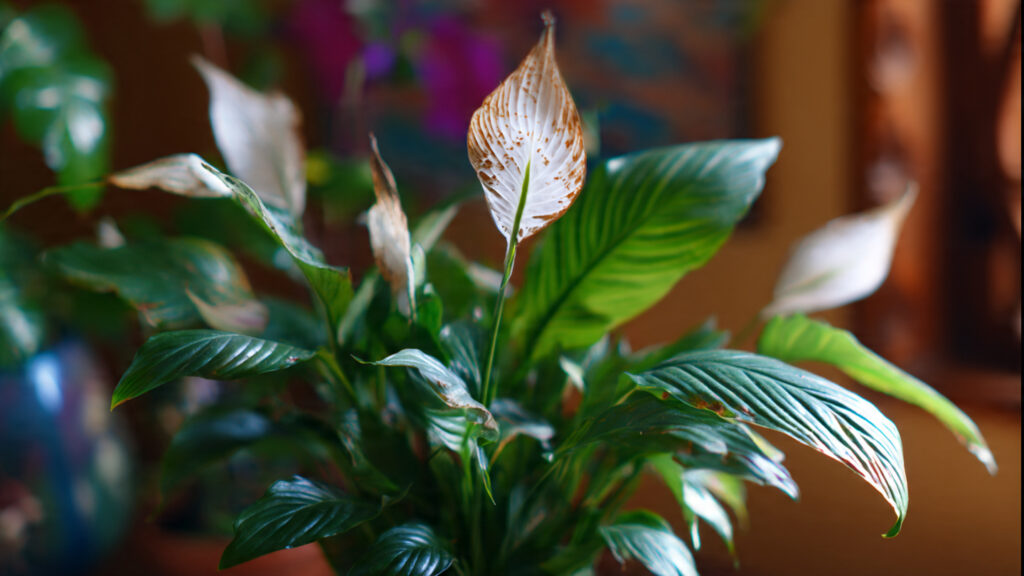
Peace lilies (Spathiphyllum) are among the most popular houseplants in the world—and for good reason. Their glossy green leaves, elegant white blooms, and air-purifying qualities make them a perfect choice for homes and offices.
But even though peace lilies are known for being low-maintenance, many plant owners run into one frustrating problem:
Brown tips on the leaves.
If you’ve noticed your peace lily developing crispy brown edges, don’t panic. This is one of the most common issues with this plant, and in most cases, it’s easy to fix once you understand the cause.
Let’s explore exactly why peace lily leaves get brown tips, what your plant is trying to tell you, and how to bring it back to lush, healthy green.
Is It Normal for Peace Lilies to Get Brown Tips?
Yes—brown leaf tips are fairly common, especially in indoor environments.
Peace lilies are tropical plants, meaning they naturally grow in warm, humid rainforests. When grown inside homes with dry air, tap water, and inconsistent watering, they can become stressed.
Brown tips are usually a sign that something in their care routine needs a small adjustment.
1. Low Humidity (The Most Common Cause)
Peace lilies love humidity. In dry indoor air—especially during winter when heaters are running—the leaf tips often dry out first.
Signs of Low Humidity:
- Brown, crispy tips
- Leaves curling slightly
- No other major yellowing
Fix:
- Mist the plant lightly a few times a week
- Place a humidity tray (pebbles + water) under the pot
- Use a small humidifier nearby
- Group plants together to increase moisture naturally
Peace lilies thrive best in humidity levels around 50–70%.
2. Overwatering or Underwatering
Peace lilies are sensitive when it comes to watering. Both too much and too little water can lead to brown tips.
Underwatering:
When the soil becomes too dry, the leaf edges dry out first.
Symptoms:
- Drooping leaves
- Dry soil
- Brown crispy tips
Overwatering:
Too much water can cause root stress and rot, preventing proper moisture absorption.
Symptoms:
➡️ How to Grow Malabar Spinach from Cuttings for Fast, Easy Greens
➡️ How to Grow Super Delicious Cabbage at Home Without a Garden
➡️ How to Grow Bean Sprouts at Home in Plastic Bottles Easily (Step‑by‑Step Guide)
➡️ Why is Your Lemon Tree Blooming in the Heart of Winter?
➡️ Why Should Your Garden Have a Dedicated Pollinator Highway?
➡️ Why Do Your Fruit Trees Need a Winter Wash to Thrive in Spring?
➡️ How Can Rice Water Transform Your Fruits into Sweeter Delights?
➡️ Jumpstart Your Winter Garden: Seed Starting Under Lights
- Yellow leaves
- Mushy stems
- Soggy soil
- Brown tips combined with softness
Fix:
Water only when the top 1–2 inches of soil feel dry.
A good rule:
Moist, not soggy. Never bone dry.
3. Tap Water Chemicals (Fluoride and Chlorine)
Peace lilies are very sensitive to chemicals found in regular tap water, especially:
- Fluoride
- Chlorine
- Salt buildup
These minerals accumulate in the soil and burn the leaf tips over time.
Fix:
Switch to one of these water options:
- Filtered water
- Distilled water
- Rainwater
- Tap water left out overnight (helps chlorine evaporate)
Fluoride doesn’t evaporate, so filtered water is best for long-term peace lily health.
4. Too Much Direct Sunlight
Peace lilies are shade-loving plants. Direct sunlight can scorch their leaves, leading to brown patches and tips.
Symptoms:
- Brown, dry areas
- Fading or pale leaves
- Tips turning brown quickly
Fix:
Move your peace lily to:
- Bright, indirect light
- Near an east- or north-facing window
- A spot with filtered sunlight
Peace lilies grow best in soft indoor lighting—not harsh sun.
5. Fertilizer Overuse (Salt Burn)
Fertilizer can help peace lilies grow, but too much can cause salt buildup in the soil, which burns leaf tips.
Symptoms:
- Brown tips soon after feeding
- White crust on soil surface
Fix:
- Fertilize only once every 6–8 weeks during spring and summer
- Use a diluted houseplant fertilizer (half strength)
- Flush the soil monthly by watering deeply until excess drains out
Remember: peace lilies are light feeders.
6. Root Bound Plant (Needs Repotting)
If your peace lily has been in the same pot for years, it may become root bound, meaning the roots have no room to grow.
This limits water absorption and causes stress—leading to brown tips.
Signs:
- Roots coming out of drainage holes
- Water runs straight through the pot
- Plant dries out quickly
Fix:
Repot every 1–2 years into a pot that is 1–2 inches larger.
Use fresh, well-draining potting soil to refresh nutrients and improve moisture retention.
7. Temperature Stress or Drafts
Peace lilies dislike sudden temperature changes.
Common indoor stress sources include:
- Cold drafts from windows
- Heat from radiators
- Air conditioning vents
Symptoms:
- Brown tips and edges
- Leaves drooping despite watering
Fix:
Keep your peace lily in a stable environment:
- Ideal temperature: 65–80°F (18–27°C)
- Away from vents and drafty doors
Consistency matters more than perfection.
8. Natural Aging of Leaves
Sometimes, brown tips are simply part of a leaf’s life cycle.
Older leaves may develop browning as the plant focuses energy on new growth.
How to Tell:
- Only a few older leaves affected
- New leaves look healthy
Fix:
Trim damaged tips or remove old leaves at the base.
This helps keep the plant looking fresh and encourages new growth.
How to Trim Brown Tips Correctly
Brown tips won’t turn green again, but you can safely trim them for appearance.
Steps:
- Use clean, sharp scissors
- Cut along the natural shape of the leaf
- Remove only the brown part
- Avoid cutting into healthy green tissue too much
Trimming improves appearance without harming the plant.
How to Prevent Brown Tips in the Future
To keep your peace lily lush and healthy long-term, follow these simple care habits:
Best Peace Lily Care Routine:
- Bright, indirect light
- Water when topsoil is slightly dry
- Use filtered or distilled water
- Maintain moderate humidity
- Fertilize lightly during growing season
- Repot every couple of years
- Keep away from drafts and heat sources
With these steps, brown tips become rare.
Quick Peace Lily Brown Tip Checklist
If you see brown tips, ask yourself:
- Is the air too dry?
- Am I watering too much or too little?
- Am I using tap water with chemicals?
- Is the plant getting direct sun?
- Did I over-fertilize recently?
- Does it need repotting?
- Is it near a vent or cold window?
Usually, fixing just one of these issues solves the problem.
Final Thoughts
Brown tips on peace lily leaves can be annoying, but they’re also helpful—they’re your plant’s way of communicating.
In most cases, the cause is simple:
- Dry air
- Tap water chemicals
- Watering imbalance
- Too much sun or fertilizer
Once you adjust the environment and care routine, your peace lily will quickly return to being the beautiful, glossy green houseplant it’s meant to be.
With the right care, peace lilies can thrive for many years and bloom again and again—without those frustrating brown edges.