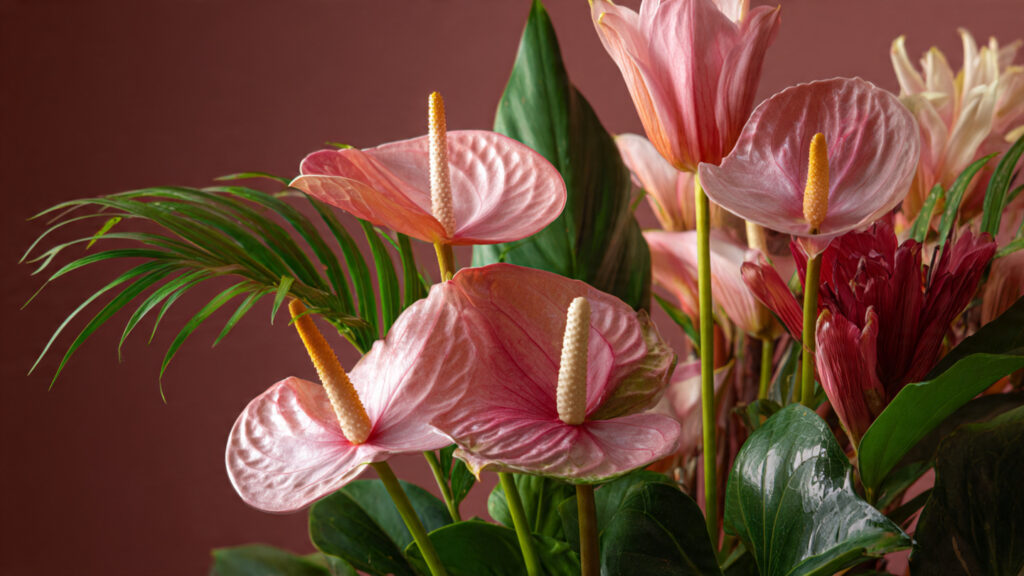
Tropical flowers are renowned for their vibrant colors, exotic shapes, and the lush, festive atmosphere they bring to gardens. Plants like hibiscus, bougainvillea, plumeria, and mandevilla transform any outdoor space into a tropical paradise. However, in colder climates, these beauties face a major challenge: winter. Frost, freezing temperatures, and harsh winds can quickly damage or kill tropical plants. Successfully overwintering them requires careful planning, protective strategies, and a little know-how to ensure they survive the cold months and bloom spectacularly again in the spring.
This guide uncovers hidden strategies for overwintering tropical flowers, from preparation and indoor relocation to pruning, watering, and pest prevention, helping gardeners preserve their tropical favorites year after year.
Understanding the Challenge
Tropical flowers are naturally adapted to warm, frost-free environments. Exposure to cold weather can result in:
- Leaf damage or drop
- Stem dieback or rot
- Reduced flowering the following season
- Death of the plant if temperatures drop below its tolerance
The key to overwintering is replicating a suitable tropical microclimate indoors or in a protected environment while minimizing stress to the plant. Understanding your plant’s temperature tolerance is the first step. Many tropical flowers cannot survive temperatures below 50°F (10°C) without protection.
Step 1: Timing and Early Preparation
Preparation is critical for successful overwintering. Begin before the first frost to ensure your plants are not stressed:
- Check local frost dates: Determine the average first frost date for your region and plan to protect tropical flowers at least 1–2 weeks earlier.
- Gradual acclimation: Move potted plants to a sheltered area or indoors gradually to avoid shock. Sudden changes in temperature or light can cause leaf drop or weakened plants.
- Assess plant health: Avoid overwintering stressed or disease-ridden plants. Only healthy, strong plants are likely to survive the winter.
Early preparation reduces plant stress and increases the chances of successful overwintering.
Step 2: Choosing the Right Location
Whether moving your tropical flowers indoors or into a protected outdoor area, location matters:
Indoors
- Light: Tropical flowers need bright, indirect light. South-facing windows or supplemental grow lights can provide sufficient light.
- Temperature: Maintain temperatures between 60–75°F (16–24°C). Avoid placing plants near drafts, heaters, or cold windows.
- Air circulation: Ensure moderate airflow to prevent fungal diseases but avoid windy spots that could dry out leaves.
Protected Outdoor Areas
- Greenhouses or sunrooms: Offer warmth, humidity, and protection from frost.
- Cold frames or cloches: Smaller tropicals in containers can be placed in these structures for a temporary solution.
- Mulching: Cover the base of plants with straw, bark, or leaves to insulate roots and maintain soil warmth.
Selecting the right location balances light, warmth, and humidity—key factors for overwintering success.
Step 3: Preparing Plants for Winter
Before bringing tropical flowers indoors or into a sheltered area, proper preparation ensures they adapt well:
- Pruning: Remove dead or damaged leaves and stems to reduce disease risk and conserve plant energy. Avoid heavy pruning, as many tropical flowers need foliage to sustain roots during winter.
- Repotting: Check if plants have outgrown containers. Repotting a few weeks before winter allows roots to settle and reduces stress.
- Soil care: Ensure the soil drains well to prevent waterlogging. Tropical flowers are particularly prone to root rot in winter if overwatered.
- Cleaning: Wash leaves gently to remove dust, pests, or fungal spores that could thrive indoors.
Proper preparation reduces stress and encourages healthy growth in spring.
Step 4: Adjusting Watering and Fertilization
Watering and fertilization must be adapted for the dormant season:
- Reduce watering: Tropical flowers grow more slowly in winter, so they require less water. Overwatering can lead to root rot and fungal infections.
- Check soil moisture: Water only when the top inch of soil feels dry.
- Fertilization: Stop or reduce fertilization during winter. Fertilizing dormant plants can promote weak growth that is vulnerable to disease.
- Humidity: Many tropicals thrive in high humidity. Indoor heaters can dry out air, so use a humidity tray or mist plants lightly.
By adjusting care routines, you help tropical flowers conserve energy and survive the colder months.
Step 5: Managing Light and Temperature
Light and temperature control are essential for tropical flower survival:
- Artificial lighting: If natural light is limited, use fluorescent or LED grow lights for 8–12 hours daily. This prevents leaf drop and encourages healthy stems.
- Temperature monitoring: Avoid sudden temperature drops or extremes. Maintain a stable environment to reduce stress.
- Protect from drafts: Cold drafts near doors, windows, or vents can damage leaves and weaken plants.
Creating a consistent, well-lit environment prevents common winter stress symptoms such as leaf yellowing, wilting, or stunted growth.
Step 6: Pest Prevention
Indoor overwintering can encourage pests to thrive in a warm, dry environment:
➡️ How to Grow Malabar Spinach from Cuttings for Fast, Easy Greens
➡️ How to Grow Super Delicious Cabbage at Home Without a Garden
➡️ How to Grow Bean Sprouts at Home in Plastic Bottles Easily (Step‑by‑Step Guide)
➡️ Why is Your Lemon Tree Blooming in the Heart of Winter?
➡️ Why Should Your Garden Have a Dedicated Pollinator Highway?
➡️ Why Do Your Fruit Trees Need a Winter Wash to Thrive in Spring?
➡️ How Can Rice Water Transform Your Fruits into Sweeter Delights?
➡️ Jumpstart Your Winter Garden: Seed Starting Under Lights
- Common pests: Spider mites, mealybugs, aphids, and scale insects.
- Regular inspection: Check leaves and stems weekly. Early detection prevents infestations from spreading.
- Organic treatments: Use neem oil or insecticidal soap if pests appear.
- Isolation: Keep tropical flowers away from other houseplants initially to prevent pest transfer.
Preventing and addressing pests ensures plants survive winter healthy and ready to bloom in spring.
Step 7: Special Tips for Specific Tropical Flowers
Hibiscus
- Prefers bright light indoors.
- Reduce watering slightly, allowing the soil to dry between waterings.
- Remove spent flowers and lightly prune to encourage spring blooms.
Bougainvillea
- Needs a cool, sunny spot indoors to encourage dormancy.
- Minimal watering is required.
- Avoid heavy pruning; trim only weak or dead branches.
Mandevilla and Dipladenia
- Can be overwintered in pots indoors.
- Maintain moderate humidity.
- Water sparingly to prevent root rot but do not let soil dry completely.
Plumeria (Frangipani)
- Goes dormant naturally in winter.
- Reduce watering drastically and keep in a bright, cool spot.
- Leaves may drop entirely, which is normal; resume watering and fertilization in spring.
Tailoring care to each species maximizes survival and ensures vibrant blooms once spring arrives.
Step 8: Gradual Reintroduction to Outdoor Conditions
When winter ends, gradual acclimation is crucial for tropical flowers:
- Hardening off: Slowly reintroduce plants to outdoor light and temperature over 1–2 weeks.
- Monitor soil moisture: Resume regular watering gradually to avoid shocking the roots.
- Check for pests: Inspect leaves for infestations that may have occurred during indoor overwintering.
- Fertilize: Resume light fertilization to promote new growth and flowering.
A careful transition reduces transplant shock and sets the stage for a healthy, flowering season.
Common Mistakes to Avoid
- Bringing plants in too late: Frost damage can occur if plants are exposed too long outdoors.
- Overwatering indoors: Slower winter growth requires less water; excessive moisture leads to root rot.
- Neglecting light: Insufficient light indoors can cause yellowing, leggy growth, and leaf drop.
- Ignoring pests: Indoor warmth encourages pests, which can weaken plants over winter.
- Skipping acclimation: Sudden exposure to outdoor conditions in spring stresses plants and may hinder flowering.
Avoiding these mistakes ensures your tropical flowers survive winter without unnecessary stress or damage.
Final Thoughts
Successfully overwintering tropical flowers is both an art and a science. With careful preparation, attention to light, temperature, humidity, watering, and pest management, even delicate tropical plants can thrive through the cold months. By implementing these hidden strategies, gardeners can protect their investment, maintain healthy plants, and enjoy the spectacular blooms tropical flowers offer year after year.
From hibiscus to mandevilla, bougainvillea to plumeria, overwintering allows you to extend the tropical charm of your garden into multiple seasons, ensuring a continuous display of color, fragrance, and exotic beauty. With patience, diligence, and the right care techniques, your tropical flowers can survive winter and greet the warmer months more vibrant and lush than ever.
By embracing these strategies, you unlock the secret to a thriving tropical garden through every season, creating a space that dazzles the eyes, lifts the spirit, and brings a slice of paradise into your life.