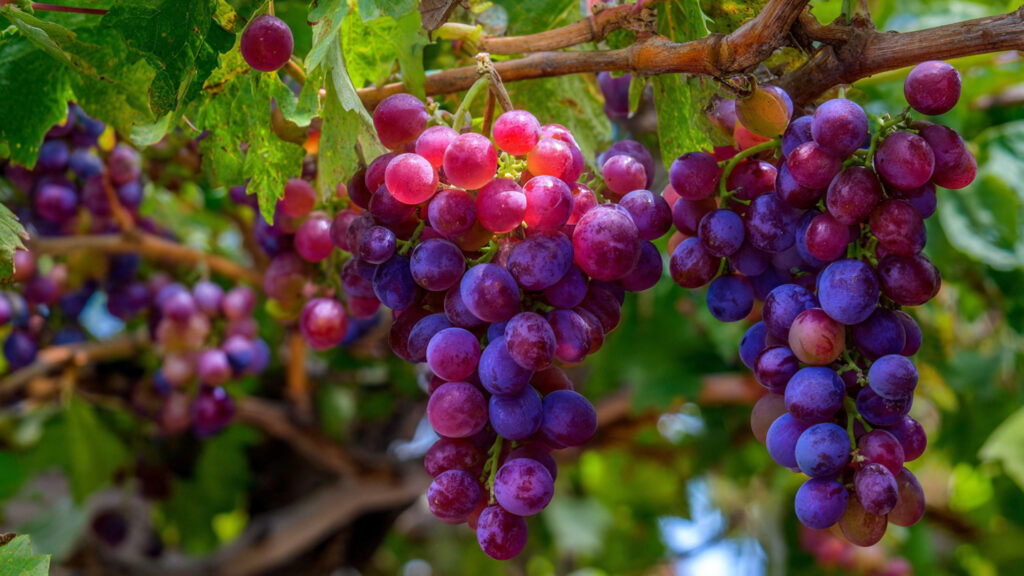
Growing grapes in your backyard can be a deeply rewarding experience. There’s nothing quite like plucking a ripe, juicy bunch of grapes from your own vine and savoring the flavor of your efforts. While grapes may seem delicate and challenging to grow, with the right approach, even a small backyard can yield abundant, impressive bunches. If you’re looking to transform your garden into a mini vineyard, understanding the essential secrets of grape cultivation is key. Let’s dive into what makes grapevines thrive and how to produce massive, succulent bunches.
1. Choosing the Right Grape Variety
The first step toward success is selecting the correct grape variety for your climate and soil. Grapevines are not one-size-fits-all. There are three major categories:
- Table grapes: These are best for eating fresh and generally produce large, sweet bunches.
- Wine grapes: Smaller and more concentrated, ideal for making juice or wine.
- Hybrid grapes: Often more disease-resistant and hardy, suitable for a range of climates.
If your goal is huge, plump bunches for fresh eating, prioritize table grape varieties. Some popular choices for backyard growers include Concord, Thompson Seedless, and Red Globe. Consider your region’s climate: Concord grapes thrive in cooler areas, while Thompson Seedless prefers warmer zones. Choosing a variety well-suited to your environment reduces stress on the plant and enhances fruit quality.
2. Selecting the Ideal Location
Grapevines are sun-loving plants. For massive fruit production, they require:
- Full sun exposure: At least 6-8 hours of direct sunlight daily.
- Well-drained soil: Grapes dislike waterlogged roots, which can lead to rot and reduced yields.
- Air circulation: Proper airflow helps prevent fungal diseases, especially in humid climates.
Avoid planting near large trees or structures that cast shade. A south-facing slope or open backyard area is perfect. Grapes also prefer slightly acidic to neutral soil (pH 5.5–7.0), so a quick soil test before planting can help you amend your soil for optimal growth.
3. Preparing the Soil for Maximum Growth
Healthy soil is the foundation of thriving grapevines. Large bunches of grapes require nutrient-rich, well-structured soil. Here’s how to prepare:
- Loosen the soil: Dig at least 12-18 inches deep and mix in organic matter like compost or aged manure.
- Ensure good drainage: If your soil is clay-heavy, consider adding sand or planting on raised mounds to prevent standing water.
- Add nutrients: Grapevines benefit from a balanced fertilizer with nitrogen, phosphorus, and potassium. Avoid excessive nitrogen in mature vines, as it encourages leafy growth at the expense of fruit.
Investing in soil preparation now will pay off with healthier vines and heavier grape clusters.
4. Proper Planting Techniques
Timing and spacing are critical for strong grape production:
- Planting time: Early spring, after the last frost, is ideal. This gives the vine the entire growing season to establish itself.
- Spacing: Allow at least 6-8 feet between vines to prevent overcrowding. Overcrowded vines compete for sunlight and nutrients, leading to smaller, less sweet grapes.
- Depth: Plant grape vines at the same depth they were in their nursery pots. Cover the roots gently but firmly.
After planting, water thoroughly to help settle the soil around the roots.
5. Training and Pruning Your Vines
One of the most important secrets to huge grape bunches is effective vine training and pruning. Grapes do not naturally produce maximum fruit without guidance. Key steps include:
- Choosing a trellis system: The classic vertical trellis, pergola, or arbor works well. Trellises support heavy vines and improve sunlight exposure.
- Annual pruning: Remove old, unproductive wood each winter. Focus on leaving healthy canes that will bear fruit. Proper pruning balances vine energy between foliage and fruit, allowing clusters to grow large.
- Summer maintenance: Pinch back excessive shoots to direct nutrients toward fruit development. Thinning grape clusters may also be necessary if the vine is overproducing. This allows the remaining grapes to grow bigger and sweeter.
Pruning may seem intimidating, but mastering it is essential for producing those show-stopping grape bunches.
6. Watering and Fertilization Secrets
Grapes need a delicate balance of water and nutrients to thrive. Both underwatering and overwatering can reduce fruit size:
- Watering: Deep, infrequent watering is ideal. Grapevines benefit from soaking the soil to a depth of 12-18 inches once a week during dry spells.
- Mulching: Apply organic mulch around the base to conserve moisture and regulate soil temperature.
- Fertilization: Young vines require more nitrogen to establish growth, while mature fruiting vines need balanced or potassium-rich fertilizers to support large clusters. Avoid over-fertilizing in mid-season, which can lead to lush leaves but small grapes.
Consistent care during the growing season ensures plump, juicy fruit at harvest.
7. Controlling Pests and Diseases
Even backyard grape growers must contend with pests and diseases, which can impact fruit size:
- Common pests: Grape leafhoppers, Japanese beetles, and aphids can weaken vines. Use natural predators or targeted organic sprays if infestations occur.
- Fungal diseases: Powdery mildew, downy mildew, and black rot thrive in humid conditions. Ensure good airflow, prune properly, and consider fungicidal treatments if necessary.
- Bird protection: Birds love grapes as much as we do. Netting your vines during ripening season prevents them from feasting on your hard-earned clusters.
Healthy, protected vines allocate more energy to fruit production, resulting in larger, sweeter bunches.
➡️ How to Grow Malabar Spinach from Cuttings for Fast, Easy Greens
➡️ How to Grow Super Delicious Cabbage at Home Without a Garden
➡️ How to Grow Bean Sprouts at Home in Plastic Bottles Easily (Step‑by‑Step Guide)
➡️ Why is Your Lemon Tree Blooming in the Heart of Winter?
➡️ Why Should Your Garden Have a Dedicated Pollinator Highway?
➡️ Why Do Your Fruit Trees Need a Winter Wash to Thrive in Spring?
➡️ How Can Rice Water Transform Your Fruits into Sweeter Delights?
➡️ Jumpstart Your Winter Garden: Seed Starting Under Lights
8. Encouraging Maximum Fruit Size
Several techniques help grapes reach their full potential:
- Cluster thinning: Remove smaller or excess clusters early in the season. This directs the vine’s resources to fewer, larger grapes.
- Leaf management: Removing a few strategic leaves near clusters allows sunlight and airflow to reach the fruit. This improves sugar content and fruit size.
- Regular observation: Monitor your vines weekly. Address nutrient deficiencies, water stress, or pest issues promptly to prevent reduced yields.
By actively managing your vines, you create ideal conditions for huge, luscious grape clusters.
9. Harvesting at Peak Ripeness
The final step in producing impressive grapes is harvesting at the right time:
- Sugar content: Grapes do not continue to sweeten once picked. Taste-test a few clusters; they should be fully sweet and flavorful.
- Color: Table grapes should have consistent, vibrant color across the cluster.
- Careful handling: Grapes bruise easily. Cut entire clusters rather than pulling individual berries.
Harvesting at the optimal moment ensures the reward for your hard work is maximum flavor and size.
10. Patience and Observation
Finally, growing huge grape bunches requires patience. Young vines may take 2-3 years to produce substantial fruit. Each season, observe your vines and adjust your care strategies. Take notes on what works best in your backyard’s unique microclimate. With dedication and attentive care, your grapevines will reward you with bountiful, oversized clusters.
Conclusion
Growing huge bunches of grapes in your backyard is not just about luck—it’s about applying the right knowledge and consistent care. From choosing the right variety and planting in well-prepared soil, to pruning, fertilizing, and protecting your vines, every step contributes to the final yield. With patience, attention, and a bit of hands-on gardening love, your backyard can transform into a productive mini vineyard bursting with plump, juicy grapes that are as beautiful as they are delicious.
By following these essential secrets, you’re well on your way to backyard grape success. Soon, you’ll be enjoying the sweet fruits of your labor and maybe even inspiring your neighbors to start their own backyard vineyards!