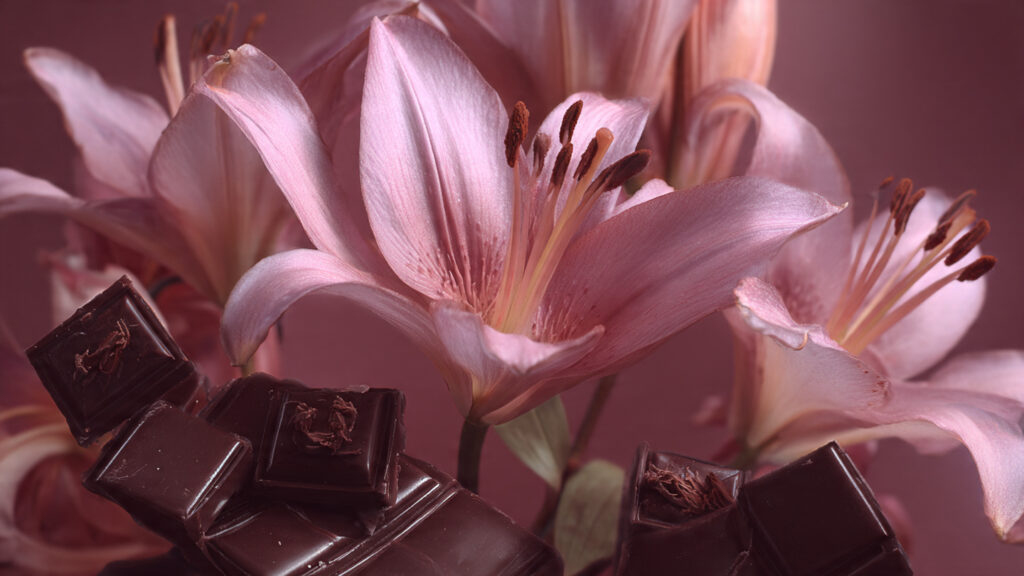
Imagine walking through a garden and catching the aroma of chocolate drifting in the air. You pause, curious, only to discover it’s not a bakery or café nearby—but a flower! Yes, some flowers naturally emit scents remarkably similar to chocolate, captivating gardeners, botanists, and chocolate lovers alike. But why does this happen? What makes a flower smell like your favorite dessert? In this article, we explore the fascinating science, biology, and horticultural magic behind chocolate-scented flowers.
The Mystery of Chocolate-Scented Flowers
Several flowers are known to emit chocolate-like fragrances, the most famous being Cosmos atrosanguineus, commonly called the chocolate cosmos. These flowers display deep, rich maroon petals and release an aroma strikingly similar to dark chocolate. Other examples include certain orchids, carnations, and even some cultivars of roses.
The chocolate scent in flowers is not just a coincidence—it is an evolutionary trait. Plants use scents to attract pollinators, and in the case of chocolate-scented flowers, the rich, sweet aroma lures insects that are naturally attracted to strong, appealing smells.
What Makes a Flower Smell Like Chocolate?
The chocolatey aroma comes from specific chemical compounds present in the petals and floral tissues. These compounds are similar to those found in cocoa, which is why our noses perceive the scent as chocolatey. Some of the key chemicals include:
- Phenylpropanoids – These are aromatic organic compounds that contribute to sweet, floral, and spicy fragrances.
- Methylxanthines – Found in small amounts in some flowers, these are related to the compounds in cacao that give chocolate its characteristic smell.
- Volatile Organic Compounds (VOCs) – Flowers release these compounds into the air, creating the scent that humans (and insects) detect.
- Benzenoids – These are aromatic molecules often responsible for the vanilla, almond, and chocolate-like scents in plants.
The exact combination and concentration of these chemicals vary between species, which is why some chocolate-scented flowers smell faintly sweet while others have a stronger, almost edible aroma.
Famous Chocolate-Scented Flowers
1. Chocolate Cosmos (Cosmos atrosanguineus)
The chocolate cosmos is native to Mexico and is famous for its rich, dark maroon petals and unmistakable chocolate scent. It is a hardy perennial in mild climates but requires protection in colder regions.
Interesting Fact: The chocolate cosmos was once thought to be extinct in the wild, but it continues to thrive in cultivation worldwide due to its unique fragrance and striking appearance.
2. Chocolate-Scented Orchid (Oncidium Sharry Baby)
The Oncidium Sharry Baby orchid is a hybrid known for its sweet chocolate fragrance. Unlike the chocolate cosmos, this orchid has delicate pink or brownish flowers, and its scent is strongest during the evening, coinciding with the activity of its natural pollinators.
Fun Tip: Place these orchids near indoor living spaces to enjoy their chocolate aroma daily, but avoid direct sunlight to preserve the blooms.
3. Chocolate-Scented Carnations (Dianthus spp.)
Some carnation varieties have been bred to emit subtle chocolate scents, combined with their natural floral fragrance. These hybrids are perfect for bouquets and can even be grown in small pots indoors.
4. Chocolate-Scented Roses
Certain rose cultivars, such as the ‘Mocha’ or ‘Choco’ series, produce a scent reminiscent of chocolate and coffee. While these roses may not smell exactly like candy, the combination of vanilla, coffee, and cocoa-like compounds gives them an intriguing, gourmand fragrance.
Why Do Flowers Evolve to Smell Like Chocolate?
The chocolate scent is not just a pleasant surprise for humans—it has an evolutionary purpose. Flowers emit aromas to attract specific pollinators. For example:
- Insects – Some bees, butterflies, and beetles are naturally drawn to sweet, rich scents like chocolate, which guide them to the flower for nectar.
- Reproductive Success – By emitting a distinct fragrance, chocolate-scented flowers increase their chances of being pollinated, ensuring the survival of the species.
- Chemical Signaling – The scent acts as a signal to insects about the availability of nectar, pollen, or other resources.
In essence, humans enjoying the chocolate smell is a fortunate side effect of a sophisticated biological strategy.
How to Grow Chocolate-Scented Flowers at Home
If you’re inspired to enjoy a chocolate fragrance in your own garden, here are some tips for growing these unique plants:
1. Chocolate Cosmos
- Climate: Prefers mild, frost-free climates.
- Sunlight: Full sun to partial shade.
- Soil: Well-draining, fertile soil.
- Watering: Moderate watering; avoid waterlogging.
- Propagation: Usually grown from tubers or cuttings.
2. Oncidium Sharry Baby Orchid
- Climate: Tropical or indoor greenhouse conditions.
- Light: Bright, indirect light.
- Watering: Keep soil slightly moist; avoid soggy conditions.
- Humidity: Prefers higher humidity levels for optimal flowering.
3. Chocolate-Scented Roses
- Climate: Temperate climates with seasonal sunlight.
- Soil: Fertile, well-draining soil with organic compost.
- Watering: Regular watering, allowing soil to dry slightly between waterings.
- Pruning: Prune spent flowers to encourage new blooms.
Pro Tip: For best fragrance, grow chocolate-scented flowers near patios, windows, or pathways where their aroma can be enjoyed up close.
➡️ How to Grow Malabar Spinach from Cuttings for Fast, Easy Greens
➡️ How to Grow Super Delicious Cabbage at Home Without a Garden
➡️ How to Grow Bean Sprouts at Home in Plastic Bottles Easily (Step‑by‑Step Guide)
➡️ Why is Your Lemon Tree Blooming in the Heart of Winter?
➡️ Why Should Your Garden Have a Dedicated Pollinator Highway?
➡️ Why Do Your Fruit Trees Need a Winter Wash to Thrive in Spring?
➡️ How Can Rice Water Transform Your Fruits into Sweeter Delights?
➡️ Jumpstart Your Winter Garden: Seed Starting Under Lights
Tips for Maximizing the Chocolate Aroma
- Harvest Timing: The scent is often strongest in the morning or evening, so being near the plants during these times provides the richest chocolate experience.
- Soil Nutrition: Healthy soil rich in organic matter supports stronger blooms and more potent fragrances.
- Watering: Avoid overwatering, as stressed plants may produce weaker scents.
- Temperature: Many chocolate-scented flowers release fragrance best in mild temperatures, avoiding extreme heat or frost.
- Companion Planting: Planting other fragrant flowers nearby can create a more complex and enjoyable aromatic garden.
Fun Uses for Chocolate-Scented Flowers
- Bouquets and Floral Arrangements: Add a chocolate-scented flower to a bouquet for a subtle, luxurious aroma.
- Potpourri: Dry petals and combine with cinnamon sticks or vanilla pods for a homemade chocolate-scented potpourri.
- Culinary Inspiration: While most flowers are not edible, the aroma can inspire chocolate-themed desserts, drinks, or decorations.
- Mindful Gardening: Growing chocolate-scented flowers can create a sensory garden, perfect for relaxation, meditation, and enjoyment.
Conclusion
The chocolate scent of flowers is a fascinating blend of biology, chemistry, and evolution. Whether it’s the deep maroon petals of the chocolate cosmos, the delicate blooms of the Sharry Baby orchid, or special chocolate-scented roses, these plants captivate our senses and connect us to nature in unexpected ways.
Understanding the science behind the fragrance enhances our appreciation of these remarkable flowers, and growing them at home allows us to experience the magic firsthand. From attracting pollinators to delighting human noses, chocolate-scented flowers are a testament to nature’s creativity and ingenuity.
Next time you catch a whiff of chocolate in a garden, remember—it’s not a pastry shop, it’s a living miracle, carefully crafted by evolution and waiting for you to enjoy.