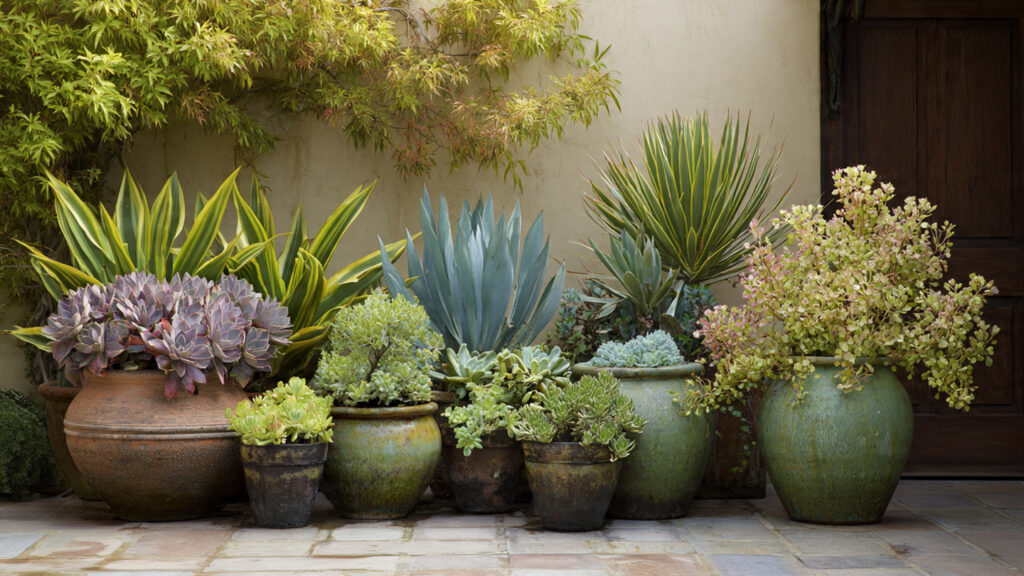
Gardening can be incredibly rewarding, but let’s face it—sometimes life gets in the way. Busy schedules, travel, or simply forgetting to water can make maintaining a thriving garden a challenge. For those who love plants but often overlook their daily care, drought-tolerant plants are a lifesaver. These resilient species survive and even thrive with minimal watering, making them perfect for “forgetful” owners who want beauty without the constant upkeep.
This guide explores the top drought-tolerant plants for indoor and outdoor settings, along with tips on soil, watering, sunlight, and maintenance. By the end, even the most forgetful gardener can cultivate a lush, low-maintenance garden.
Understanding Drought-Tolerant Plants
Drought-tolerant plants are naturally adapted to survive in dry conditions, often with unique physical features:
- Succulent leaves: Thick, fleshy leaves store water.
- Deep roots: Tap into water reserves deep in the soil.
- Reduced leaf surface area: Minimizes water loss.
- Protective coatings: Waxy or hairy leaves reflect sunlight and reduce evaporation.
These adaptations allow plants to withstand periods of neglect without showing signs of stress. Choosing drought-tolerant species means less frequent watering, lower maintenance, and often increased resilience to pests and diseases.
Top Indoor Drought-Tolerant Plants
Indoor plants are particularly vulnerable to irregular watering. Fortunately, several varieties thrive with minimal care:
1. Snake Plant (Sansevieria trifasciata)
- Extremely tolerant of dry soil and low light.
- Store water in thick, upright leaves.
- Require watering only every 2–3 weeks.
- Bonus: Improves indoor air quality by filtering toxins.
2. ZZ Plant (Zamioculcas zamiifolia)
- Glossy, dark green leaves are visually striking.
- Thrives in low-light conditions.
- Can survive long periods without water.
3. Aloe Vera (Aloe vera)
- A succulent that stores water in leaves.
- Minimal watering needed, once every 3–4 weeks.
- Bonus: Medicinal uses for burns and skin care.
4. Jade Plant (Crassula ovata)
- Thick, fleshy leaves store water efficiently.
- Can grow for decades with minimal care.
- Requires bright light but tolerates occasional forgetfulness.
Top Outdoor Drought-Tolerant Plants
For outdoor gardens or patios, certain plants thrive in hot, dry conditions while still providing visual appeal:
1. Lavender (Lavandula angustifolia)
- Aromatic and visually appealing purple flowers.
- Requires minimal water once established.
- Attracts pollinators and repels certain pests.
2. Sedum (Sedum spp.)
- Low-growing succulent with clusters of star-shaped flowers.
- Survives poor, dry soil conditions.
- Excellent for rock gardens and container plantings.
3. Agave (Agave americana)
- Large, architectural leaves make a statement in gardens.
- Extremely drought-tolerant, perfect for hot climates.
- Requires almost no maintenance once established.
4. Russian Sage (Perovskia atriplicifolia)
- Silvery foliage with tall, purple flower spikes.
- Thrives in full sun and poor, dry soils.
- Adds height and color to low-maintenance gardens.
5. Yarrow (Achillea millefolium)
- Fern-like leaves with flat-topped clusters of flowers.
- Very hardy, tolerates heat and drought.
- Attracts pollinators and beneficial insects.
Tips for Growing Drought-Tolerant Plants Successfully
Even drought-tolerant plants benefit from proper care:
1. Choose the Right Soil
- Well-draining soil prevents root rot, which is the main threat to these hardy plants.
- Mix sand, perlite, or gravel into potting soil for containers.
- Outdoor planting beds should be amended to ensure drainage and prevent waterlogging.
2. Use Appropriate Containers
- Terracotta pots are ideal for container plants, as they allow moisture to evaporate and prevent overwatering.
- Ensure all containers have drainage holes.
3. Adjust Watering Schedule
- Even drought-tolerant plants need water during establishment (first few weeks).
- Afterward, water sparingly, allowing soil to dry out between waterings.
- Consider a watering schedule or reminders for extremely forgetful owners.
4. Maximize Sunlight
- Most drought-tolerant plants prefer full sun or bright indirect light.
- Ensure indoor plants are placed near windows or under grow lights if needed.
5. Fertilize Sparingly
- Over-fertilizing can harm drought-tolerant plants, especially succulents.
- Use a slow-release fertilizer once or twice per year, or dilute liquid fertilizer for occasional feeding.
6. Mulching
- Mulch outdoor plantings to reduce soil evaporation.
- Organic mulch retains moisture while protecting roots from extreme temperatures.
Benefits for Forgetful Owners
Drought-tolerant plants are particularly suited for gardeners who occasionally forget to water:
- Resilience: These plants can survive missed watering without damage.
- Low maintenance: Requires minimal pruning, fertilizing, or pest control.
- Aesthetic appeal: Many drought-tolerant plants have vibrant flowers or striking foliage.
- Stress-free gardening: Offers the joy of greenery without the pressure of constant care.
Even if you leave your garden unattended for weeks, many of these species will bounce back once normal watering resumes.
Bonus Hacks for Forgetful Gardeners
- Self-watering pots: These provide a slow, steady supply of water to containers.
- Grouping plants by water needs: Keep drought-tolerant plants together to avoid overwatering more sensitive species.
- Use mulch and top dressing: Reduces evaporation and helps soil retain moisture longer.
- Automated watering systems: Timed drip irrigation ensures consistent watering with minimal effort.
Combining drought-tolerant plants with smart gardening tools creates a near-foolproof system for busy or forgetful gardeners.
Perfect Combinations for Garden Design
To create a visually appealing, drought-tolerant garden:
- Mix textures: Pair spiky agave with soft, feathery Russian sage.
- Layer colors: Combine lavender’s purple blooms with green succulents and silver foliage.
- Add height: Taller plants like Russian sage or agave create focal points, while ground-hugging sedum or yarrow fill in the base.
- Containers or beds: Use drought-tolerant plants in raised beds or decorative pots for flexibility and design versatility.
These combinations provide color, texture, and interest year-round with minimal maintenance.
Final Thoughts
Gardening doesn’t have to be stressful or high-maintenance, even for forgetful owners. By selecting drought-tolerant plants, you can cultivate a beautiful, vibrant garden that thrives with minimal care. Indoor and outdoor varieties—from succulents like aloe and jade plants to flowering perennials like lavender, yarrow, and Russian sage—offer endless options for creating a low-maintenance paradise.
With proper soil, container choice, watering practices, sunlight exposure, and occasional feeding, even the most forgetful gardener can enjoy lush greenery and striking blooms. By combining smart plant selection with practical gardening hacks like self-watering pots or automated irrigation, you can create a resilient, thriving garden that continues to delight year-round, even when life gets busy.
Embrace the beauty of drought-tolerant plants, and let your garden flourish effortlessly, proving that you don’t need perfect watering habits to enjoy a spectacular, stress-free outdoor oasis.
➡️ How to Grow Malabar Spinach from Cuttings for Fast, Easy Greens
➡️ How to Grow Super Delicious Cabbage at Home Without a Garden
➡️ How to Grow Bean Sprouts at Home in Plastic Bottles Easily (Step‑by‑Step Guide)
➡️ Why is Your Lemon Tree Blooming in the Heart of Winter?
➡️ Why Should Your Garden Have a Dedicated Pollinator Highway?
➡️ Why Do Your Fruit Trees Need a Winter Wash to Thrive in Spring?
➡️ How Can Rice Water Transform Your Fruits into Sweeter Delights?
➡️ Jumpstart Your Winter Garden: Seed Starting Under Lights