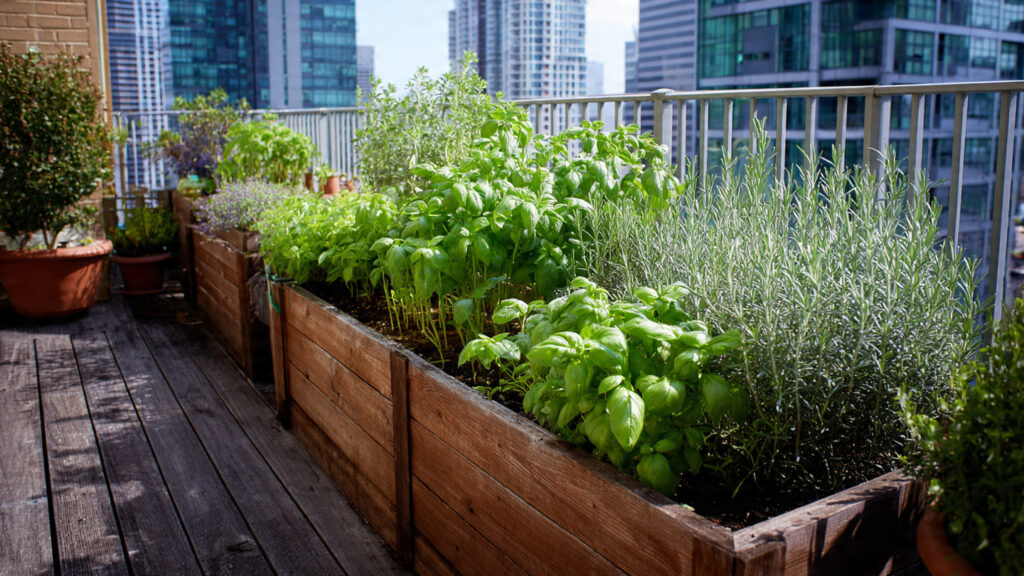
Balcony gardening is a fantastic way to grow fresh herbs, especially for urban dwellers with limited outdoor space. If your balcony faces south, you are in an enviable position: full sun for most of the day provides ideal conditions for a wide variety of herbs. South-facing balconies typically receive 6 to 8 hours of sunlight daily, which encourages vigorous growth, rich flavor, and abundant harvests. Choosing the right edible herbs can transform your balcony into a thriving mini-garden that not only enhances your culinary creations but also brings greenery, aroma, and life to your home.
Here’s a detailed guide to the top edible herbs for a south-facing balcony and tips to grow them successfully.
1. Basil (Ocimum basilicum)
Basil is one of the most popular herbs for sunny balconies. Its sweet, aromatic leaves make it a staple in pesto, salads, and Italian cuisine.
- Sunlight needs: Basil thrives in full sun, ideally 6–8 hours per day.
- Watering: Keep soil consistently moist but well-drained; basil doesn’t tolerate soggy roots.
- Containers: Medium-sized pots or window boxes work well; ensure drainage holes.
- Varieties: Sweet basil, Genovese, lemon basil, and Thai basil are excellent options.
Tip: Pinch off flower buds as they appear to encourage bushier growth and prevent bitterness.
2. Rosemary (Rosmarinus officinalis)
Rosemary is a hardy, sun-loving herb that performs exceptionally well in containers on sunny balconies. Its aromatic leaves are perfect for roasting vegetables, meats, and adding flavor to bread.
- Sunlight needs: Requires full sun and thrives in hot, dry conditions.
- Watering: Drought-tolerant; water when the top inch of soil is dry.
- Container choice: Terracotta pots are ideal because they allow excess moisture to evaporate.
- Maintenance: Prune regularly to maintain shape and encourage new growth.
Tip: Rosemary is perennial in most climates, so it can provide fresh leaves year-round with proper care.
3. Thyme (Thymus vulgaris)
Thyme is another sun-loving herb with a robust flavor that pairs well with roasted dishes, stews, and teas.
- Sunlight needs: Full sun exposure ensures flavorful leaves.
- Watering: Low water requirements; prefer slightly dry soil between watering.
- Container choice: Shallow containers or window boxes work well because thyme has shallow roots.
- Varieties: Common thyme, lemon thyme, and creeping thyme for ornamental edges.
Tip: Harvest regularly to prevent woody stems and encourage continuous growth.
4. Oregano (Origanum vulgare)
Oregano is a hardy Mediterranean herb that loves sunny balconies and adds a warm, aromatic flavor to pizza, pasta, and grilled vegetables.
- Sunlight needs: Full sun promotes dense, flavorful leaves.
- Watering: Moderate; oregano tolerates short dry spells.
- Container choice: Deep containers allow for root expansion.
- Varieties: Greek oregano is pungent, while Italian oregano is milder.
Tip: Trim flowering stems to redirect energy to leaf growth for culinary use.
5. Chives (Allium schoenoprasum)
Chives are versatile herbs with onion-like flavor, perfect for garnishing soups, salads, and eggs.
- Sunlight needs: Full sun ensures robust growth; they can tolerate partial shade but may produce fewer leaves.
- Watering: Keep soil evenly moist. Avoid waterlogging to prevent root rot.
- Container choice: Deep pots for root development; clump division can rejuvenate plants.
- Maintenance: Cut leaves regularly to encourage new growth.
Tip: Harvest in the morning for the freshest flavor and aroma.
6. Parsley (Petroselinum crispum)
Parsley is a biennial herb that thrives in full sun and is packed with nutrients. It can be used in salads, sauces, and as garnish.
- Sunlight needs: Full sun; partial shade is acceptable in very hot climates.
- Watering: Keep soil moist, especially during hot summer months.
- Container choice: Medium to large pots with deep soil for root development.
- Varieties: Curly parsley for decorative purposes, flat-leaf (Italian) parsley for cooking.
Tip: Harvest outer leaves first to allow the inner leaves to continue growing.
7. Mint (Mentha spp.)
Mint is a fragrant and refreshing herb that grows well in sunny locations, although it prefers slightly cooler soil. Its vigorous growth makes it ideal for containers to prevent it from taking over other plants.
➡️ How to Grow Malabar Spinach from Cuttings for Fast, Easy Greens
➡️ How to Grow Super Delicious Cabbage at Home Without a Garden
➡️ How to Grow Bean Sprouts at Home in Plastic Bottles Easily (Step‑by‑Step Guide)
➡️ Why is Your Lemon Tree Blooming in the Heart of Winter?
➡️ Why Should Your Garden Have a Dedicated Pollinator Highway?
➡️ Why Do Your Fruit Trees Need a Winter Wash to Thrive in Spring?
➡️ How Can Rice Water Transform Your Fruits into Sweeter Delights?
➡️ Jumpstart Your Winter Garden: Seed Starting Under Lights
- Sunlight needs: Full sun works if soil remains moist; some afternoon shade helps in extreme heat.
- Watering: Keep soil consistently moist.
- Container choice: Wide pots or planters to contain spreading roots.
- Varieties: Peppermint, spearmint, chocolate mint, and apple mint.
Tip: Regular pruning prevents the plant from becoming leggy and keeps it flavorful.
8. Sage (Salvia officinalis)
Sage is a hardy, drought-tolerant herb with gray-green leaves, perfect for flavoring meats, soups, and roasted vegetables.
- Sunlight needs: Full sun; essential for aromatic leaves.
- Watering: Low; allow soil to dry between watering.
- Container choice: Medium to large pots with excellent drainage.
- Maintenance: Trim regularly to avoid woody growth and promote fresh foliage.
Tip: Sage leaves can also be dried and stored for winter use.
9. Coriander/Cilantro (Coriandrum sativum)
Coriander (cilantro) adds fresh, zesty flavor to salads, salsas, and Asian dishes. While slightly more sensitive than some Mediterranean herbs, it thrives with adequate sun and care.
- Sunlight needs: Full sun is ideal, though some afternoon shade in hot climates prevents bolting.
- Watering: Keep soil consistently moist, particularly for young plants.
- Container choice: Deep pots for root growth; succession planting ensures continuous harvest.
- Varieties: Cilantro for fresh leaves; coriander seeds for spice.
Tip: Harvest leaves regularly to delay flowering and prolong the edible phase.
10. Lemongrass (Cymbopogon citratus)
Lemongrass is a sun-loving tropical herb perfect for teas, curries, and stir-fries. Its tall, fragrant stalks create a natural screen for balconies.
- Sunlight needs: Full sun is essential for vibrant, long leaves.
- Watering: Moderate; keep soil evenly moist but avoid waterlogged conditions.
- Container choice: Large, deep pots to accommodate root system.
- Maintenance: Trim older leaves and divide clumps every few years for healthy growth.
Tip: Harvest stalks from the outer edges, leaving inner shoots for continuous growth.
Tips for Growing Herbs on a South-Facing Balcony
- Choose appropriate containers: Ensure pots have drainage holes and are large enough for roots.
- Use high-quality potting mix: Lightweight, nutrient-rich soil improves growth and flavor.
- Water consistently: Full sun can dry out soil quickly, so monitor moisture daily.
- Fertilize lightly: Use organic fertilizers or compost to support leaf growth without overfeeding.
- Rotate plants: Turn pots occasionally to ensure even sunlight exposure.
- Protect from wind: Strong wind on balconies can damage delicate leaves; consider windbreaks.
- Succession planting: Stagger plantings for continuous harvest throughout the growing season.
Tip: Group herbs with similar water and sunlight requirements together for easier care.
Benefits of a South-Facing Herb Balcony
- Culinary delight: Fresh herbs enhance meals with vibrant flavor.
- Fragrance: Many herbs emit pleasant scents, creating a relaxing outdoor environment.
- Health benefits: Herbs are rich in antioxidants and essential nutrients.
- Space efficiency: Balcony gardens maximize small spaces without needing a traditional garden plot.
- Visual appeal: Greenery and flowering herbs improve the aesthetic of urban living spaces.
Tip: Combine herbs with edible flowers like nasturtiums or pansies for added color and flavor.
Conclusion
A south-facing balcony is a gardener’s paradise for growing edible herbs. From sun-loving classics like basil, rosemary, and thyme to tropical favorites like lemongrass, these herbs thrive in full sunlight and provide year-round culinary, aesthetic, and health benefits. By choosing the right herbs, providing proper care, and using thoughtful container arrangements, your balcony can become a productive, fragrant, and visually stunning herb garden.
Whether you are a beginner or an experienced gardener, planting edible herbs on a sunny balcony brings the joy of fresh, flavorful leaves right to your doorstep. With the right selection and care, your south-facing balcony can become a vibrant, green sanctuary full of flavor, aroma, and life.